
The Miniature Schnauzer, with their spirited personalities and distinctive bearded faces, are often considered a top contender for the best environment for Miniature Schnauzer with families. These compact dogs are known for their intelligence, loyalty, and adaptable nature, making them a wonderful addition to many households. However, to ensure a happy and harmonious coexistence, understanding their specific needs and how to best cater to them within a family setting is crucial. This article delves into creating that ideal home, covering everything from living space and exercise to training and social interaction.
Understanding the Miniature Schnauzer’s Needs

Before bringing a Miniature Schnauzer into your family, whether you have young children or older ones, it’s important to understand their inherent characteristics. They are not just miniature versions of their larger counterparts; they possess a unique blend of traits that make them excellent companions.
Energy Levels: While not requiring vast open fields for exercise, Miniature Schnauzers are energetic dogs. They benefit greatly from regular walks, playtime in a securely fenced yard, and mentally stimulating activities. A bored Schnauzer can become a mischievous Schnauzer, so ensuring they have an outlet for their energy is paramount. This translates to a need for a home that allows for these activities, even if it’s apartment living where daily park visits are a must.
Intelligence and Trainability: Their sharp minds make them highly trainable. This is a significant advantage for families, as a well-trained dog is easier to manage and integrate into household routines. They excel in positive reinforcement training methods, responding well to treats, praise, and engaging games. Early socialization and consistent training are key to channeling their intelligence productively.
Social Nature: Miniature Schnauzers are generally social dogs who thrive on human interaction. They often bond closely with their families and can be protective. This makes them good watchdogs, but also means they shouldn’t be left alone for extended periods. They appreciate being part of family activities and are usually happy to settle down with their loved ones after a good play session.
Grooming Requirements: Their signature wiry coat requires regular grooming to prevent matting and keep them looking their best. This involves weekly brushing and professional grooming every few months. Families should be prepared for this commitment, as it’s an essential part of caring for the breed.
Creating the Best Environment for Miniature Schnauzer with Families

When considering the best environment for Miniature Schnauzer with families, it’s about more than just having a roof over their heads. It’s about creating a holistic setting that nurtures their physical, mental, and emotional well-being.
Living Space Considerations
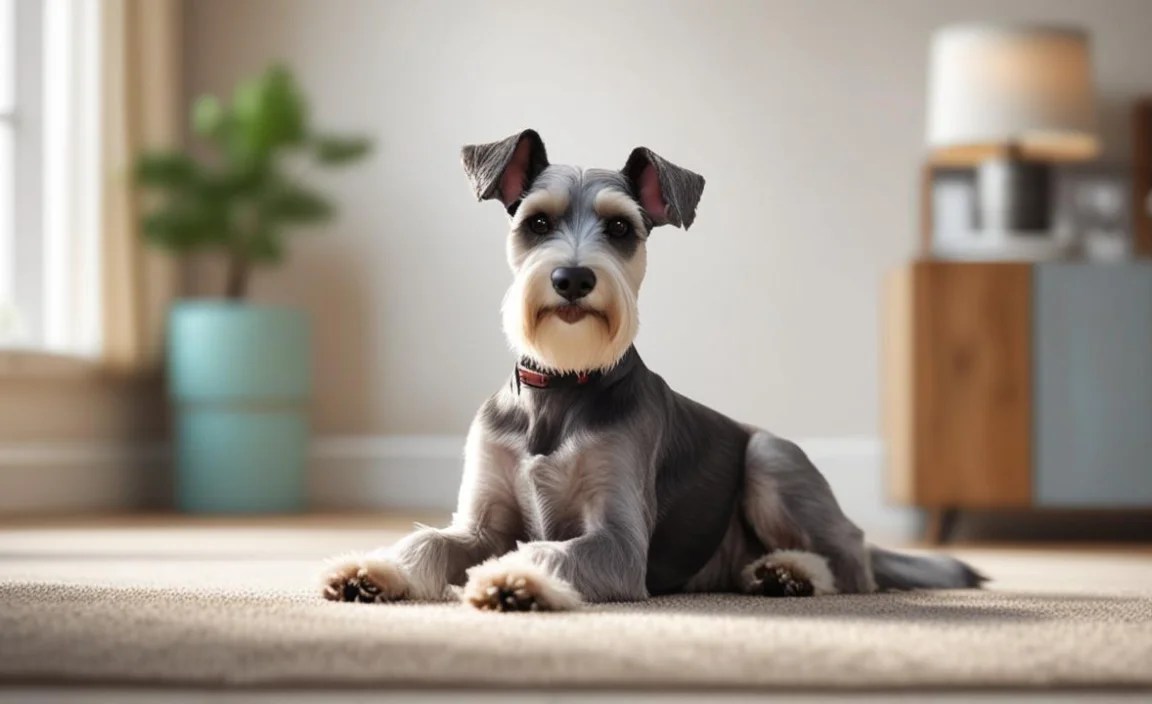
A Miniature Schnauzer is adaptable to various living situations. Whether you have a sprawling home with a large garden or a cozy apartment, they can thrive as long as their needs for exercise and mental stimulation are met.
Indoors: A comfortable bed in a common area, allowing them to be part of the family’s daily life, is ideal. They are not dogs that typically enjoy being isolated in crates for long periods. Secure toys that can withstand moderate chewing are also important to keep them entertained.
Outdoors: A securely fenced yard is a significant asset. This provides a safe space for them to play fetch, explore, and relieve themselves without the risk of them wandering off or encountering hazards. Even for apartment dwellers, a reliable leash and a commitment to daily walks are non-negotiable. Ensure gates are always secured.
Exercise and Play: Fueling Their Spirit

Regular physical activity is crucial for a Miniature Schnauzer’s health and happiness. A sedentary lifestyle can lead to boredom, weight gain, and behavioral issues.
Daily Walks: Aim for at least two brisk walks a day, each lasting 20-30 minutes. These walks aren’t just for potty breaks; they are opportunities for exploration, sniffing, and burning energy.
Interactive Play: Games like fetch, tug-of-war, or hide-and-seek (with toys or even treats) are excellent ways to engage their minds and bodies simultaneously. Puzzle toys that dispense treats can also be a great way to keep them occupied.
Mental Stimulation: Training sessions, even short ones, are mentally tiring for intelligent breeds like Schnauzers. Teaching them new tricks or practicing obedience commands provides a fantastic mental workout.
Socialization and Temperament: Integrating into the Family Unit

Early and consistent socialization is key to ensuring your Miniature Schnauzer grows into a well-adjusted dog. This is particularly important when they are sharing their home with children.
Introducing to Children: When introducing a Miniature Schnauzer to children, supervision is paramount, especially with younger kids. Teach children how to interact with dogs respectfully, avoiding pulling tails or disturbing them while they eat or sleep. Miniature Schnauzers are generally tolerant, but they are still dogs and can react negatively to rough handling.
Exposure to New Experiences: Expose your puppy to a variety of sights, sounds, people, and other well-behaved dogs from an early age. This helps them develop confidence and reduces the likelihood of fear-based reactivity later in life. Puppy socialization classes are an excellent resource for this.
Family Integration: Ensure your Schnauzer is included in family activities. This fosters a strong bond and reinforces their sense of belonging. They love being part of the action, whether it’s a family hike or simply lounging by the fireplace.
Training: Building a Foundation of Good Behavior

Their intelligence makes training a rewarding experience. Positive reinforcement methods work best, focusing on rewarding good behavior rather than punishing mistakes.
Consistency is Key: Establish clear rules and boundaries from the outset and ensure all family members are on the same page. This prevents confusion and helps your Schnauzer understand what is expected of them.
Early Training: Start basic obedience training (sit, stay, come, down) as soon as you bring your puppy home. This not only teaches them commands but also strengthens the bond between you and your dog.
* Addressing Schnauzer-Specific Traits: Be mindful of their natural terrier instincts, such as a tendency to bark at perceived threats or squirrels. Training them to ‘quiet’ on command can be very beneficial.
Conclusion: A Rewarding Companion for the Right Home
The Miniature Schnauzer, when provided with the right environment, is an incredibly rewarding family pet. Their loyalty, intelligence, and spirited personalities bring joy and companionship to any home. By understanding their needs for exercise, mental stimulation, socialization, and consistent training, families can ensure their Miniature Schnauzer not only fits into their lives but truly flourishes. Creating the best environment for Miniature Schnauzer with families is an investment in a long and happy relationship, filled with wagging tails and bearded grins.

Meet Elyse Colburn, the devoted canine companion and storyteller behind the enchanting world of “Tales, Tails, and Adventures Unleashed.” A passionate dog enthusiast with a heart full of paw prints, Elyse Colburn shares heartwarming tales and insightful adventures, celebrating the joy, loyalty, and endless antics that make every dog a true hero. Join Elyse Colburn on this tail-wagging journey, where every post is a love letter to our four-legged friends.