
Puppy training behavior in puppies is a rewarding journey that, with the right approach, can yield surprisingly easy and effective results. Bringing a new furry family member home is an exhilarating experience, filled with wagging tails and playful antics. However, it also marks the beginning of a crucial period of socialization and education. Understanding and implementing fundamental puppy training behavior in puppies strategies early on will not only prevent future behavioral issues but also forge a stronger, more harmonious bond between you and your canine companion. This comprehensive guide will delve into key principles and practical tips to make your puppy’s training experience a positive and successful one.
The foundation of any successful training program rests on understanding your puppy’s developmental stage. Young puppies are like sponges, eagerly absorbing information about their environment and the rules of their new home. However, their attention spans are short, and their understanding of complex commands is nascent. Therefore, patience, consistency, and positive reinforcement are paramount. Avoid punishment-based methods, which can instill fear and anxiety, hindering rather than helping the learning process. Instead, focus on rewarding desired behaviors, making training a fun and engaging activity for both you and your puppy.
Understanding the Canine Mind: Core Principles of Puppy Training Behavior

At its heart, puppy training behavior in puppies is about clear communication and building trust. Puppies are motivated by rewards, whether it’s a tasty treat, enthusiastic praise, or a beloved toy. Identifying what makes your puppy tick is the first step. This might involve experimenting with different types of rewards to see which ones elicit the most enthusiastic response.
Consistency is king. This applies to everything from teaching commands to establishing a routine. If certain behaviors are acceptable one day and reprimanded the next, your puppy will become confused and insecure. Establish clear rules and ensure all members of the household are on the same page. For instance, if you decide that dogs are not allowed on the furniture, this rule must be enforced by everyone, every time.
Positive reinforcement is not just about giving treats; it’s about creating a positive association with the desired behavior. When your puppy successfully performs a command, a warm tone of voice, a gentle pat, and a small, high-value treat work wonders. This builds confidence and encourages your puppy to repeat the behavior. Gradually, you can phase out treats for well-established commands, relying more on verbal praise and affection.
Essential Skills for Effective Puppy Training Behavior

Several fundamental behaviors are essential for a well-adjusted canine companion. House-training, leash manners, and basic obedience commands form the bedrock of a successful relationship.
House-Training Your Puppy

House-training is often the first major hurdle for new puppy owners. Patience and a consistent schedule are key. Take your puppy outside frequently, especially after waking up, after meals, and after playtime. Choose a designated spot in your yard and reward your puppy enthusiastically when they eliminate there. Accidents will happen, especially in the early stages. When they do, clean them up thoroughly without fuss. Avoid punishing your puppy for accidents, as this can make them fearful of eliminating in front of you, even when outdoors. Crate training can be an invaluable tool for house-training, as dogs are naturally reluctant to soil their sleeping area.
Leash Manners and Walking
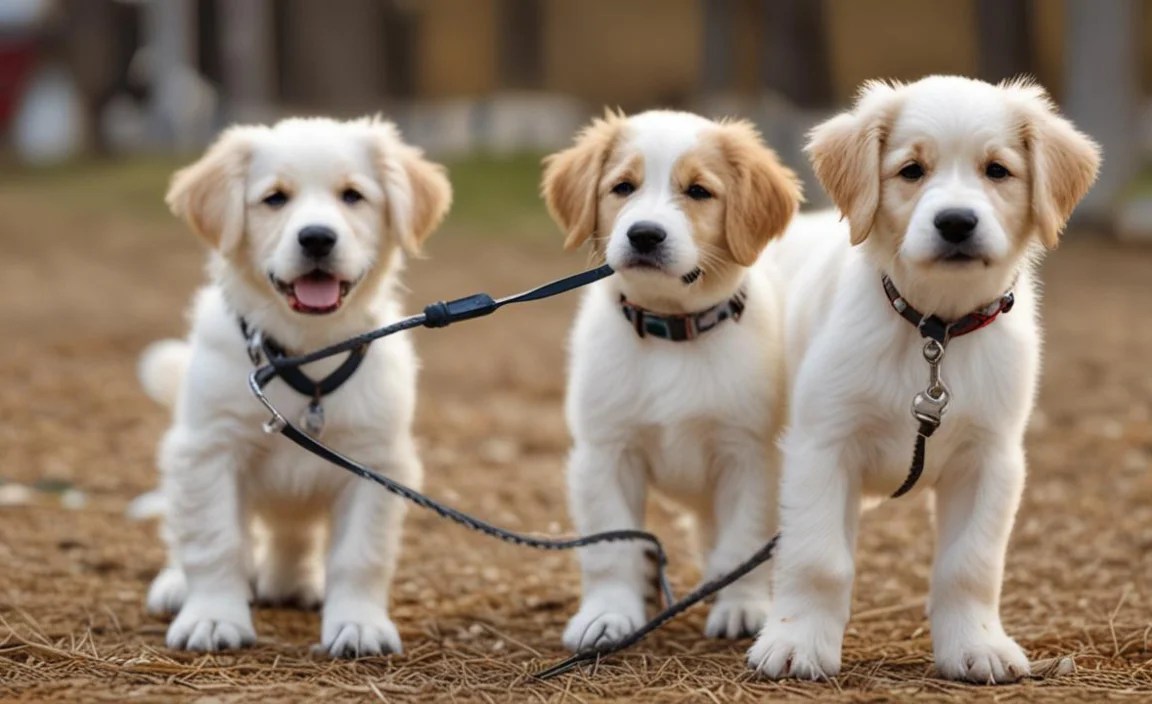
Introducing your puppy to a leash and collar should be a positive experience. Let them wear the collar or harness for short periods around the house, associating it with treats and praise. When you introduce the leash, keep the initial walks short and enjoyable, focusing on positive reinforcement for loose-leash walking. If your puppy pulls, stop walking. Only resume when the leash slackens. This teaches them that pulling stops the fun.
Basic Obedience Commands

Commands like “sit,” “stay,” “come,” and “down” are not just for obedience competitions; they are vital for safety and communication. Start with one command at a time, using clear, concise language and a consistent hand signal. Keep training sessions short (5-10 minutes) and engaging. End each session on a positive note, even if it’s with a command your puppy has already mastered.
Addressing Common Puppy Training Behavior Challenges

Even with the best intentions, you might encounter some common challenges during puppy training behavior in puppies. Understanding these issues and having strategies to address them can save you stress and ensure your puppy’s development progresses smoothly.
Nipping and Biting: Puppies explore the world with their mouths. While some nipping is normal, it’s important to teach them bite inhibition. When your puppy nips too hard, yelp and withdraw your hand. This mimics how littermates would react. If the nipping persists, gently redirect their attention to an appropriate chew toy.
Excessive Barking: Barking is a natural form of communication for dogs, but excessive barking can be disruptive. Identify the trigger for the barking. If it’s attention-seeking, ignore them until they are quiet, then reward them. If it’s boredom, ensure they have enough physical and mental stimulation.
Jumping Up: Puppies often jump to greet people. The key is to ignore the jumping behavior. Turn away, fold your arms, and don’t engage with your puppy until they have all four paws on the floor. Then, reward them with calm attention.
Remember, puppy training behavior in puppies is an ongoing process. There will be good days and challenging days. Celebrate the small victories, learn from the setbacks, and most importantly, enjoy the process. By investing time and effort into consistent, positive training, you’re not just teaching your puppy commands; you’re building a foundation for a lifetime of companionship, trust, and remarkablely easy results.

Meet Elyse Colburn, the devoted canine companion and storyteller behind the enchanting world of “Tales, Tails, and Adventures Unleashed.” A passionate dog enthusiast with a heart full of paw prints, Elyse Colburn shares heartwarming tales and insightful adventures, celebrating the joy, loyalty, and endless antics that make every dog a true hero. Join Elyse Colburn on this tail-wagging journey, where every post is a love letter to our four-legged friends.