
It’s a common misconception that aggression is a trait that only manifests in adult dogs. In reality, many puppies can exhibit early signs of aggression, and understanding these behaviors is crucial for fostering a calm aggressive dog in puppies moving forward. Recognizing and appropriately addressing these tendencies early on is not about suppressing a dog’s spirit but about guiding them towards a well-adjusted and harmonious life. This proactive approach to puppy training can prevent escalation and build a foundation of trust and good behavior.
The journey of raising a puppy is an exciting one, filled with joy, discovery, and, at times, unexpected challenges. Among these challenges, early signs of aggression can be particularly concerning for new owners. These behaviors, if left unaddressed, can develop into more serious problems as the dog matures. Fortunately, with the right knowledge and consistent effort, it is entirely possible to guide a puppy through these developmental stages and cultivate a confident, well-behaved companion.
Understanding the Roots of Puppy Aggression

Before diving into training techniques, it’s essential to understand why a puppy might display aggressive behaviors. It’s rarely a sign of inherent malice. Instead, it often stems from a combination of factors:
Fear and Insecurity: Puppies, like human children, are still learning about the world. New environments, strange objects, loud noises, or unfamiliar people and animals can trigger fear, leading to defensive aggression. This might manifest as growling, snapping, or even a lunge.
Frustration and Overstimulation: A puppy that is overexcited, has limited outlets for its energy, or is prevented from doing something it wants can become frustrated. This frustration can boil over into nipping, growling, or barking. This is particularly common during play sessions that become too intense.
Resource Guarding: Even young puppies can exhibit resource guarding. If they perceive a valuable item – be it a chew toy, food, or even a favorite spot – as being threatened, they might growl, snap, or bite to protect it.
Pain or Discomfort: A puppy experiencing underlying pain, illness, or discomfort might react aggressively when touched or approached, as they are associating the sensation with the presence of another being. A vet check is always a good first step if sudden behavioral changes occur.
Lack of Socialization: Insufficient exposure to a variety of people, other animals, and different environments during the critical socialization window (typically 3-16 weeks) can lead to a puppy becoming fearful and reactive when encountering new stimuli later on. This can be interpreted as aggression.
The Importance of Early Intervention for a Calm Aggressive Dog in Puppies

The puppy stage is a golden opportunity for socialization and training. Behaviors that might seem minor now – a nip, a growl over a toy – can easily become ingrained habits if not addressed. Early intervention is key to shaping your puppy’s behavior and ensuring you have a calm aggressive dog in puppies that matures into a well-adjusted adult.
This doesn’t mean punishing the puppy for showing these signs. Instead, it’s about understanding the underlying emotion and teaching them coping mechanisms and safer ways to express themselves. Positive reinforcement methods are paramount here. The goal is to build confidence and teach your puppy that good things happen when they are calm and well-behaved, rather than resorting to aggressive displays.
Effective Training Strategies for Your Puppy

Developing a calm aggressive dog in puppies requires patience, consistency, and a deep understanding of canine behavior. Here are some strategies that can be employed:
Positive Reinforcement: Reward desired behaviors – calmness, polite interactions, letting go of toys – with high-value treats, praise, and gentle petting. This encourages your puppy to repeat these actions because they are associated with positive outcomes.
Management: Until your puppy learns better coping skills, manage their environment to prevent situations that trigger aggression. If they guard food, feed them separately in a quiet space. If they get overstimulated during play, end the session before it becomes too intense.
Desensitization and Counter-Conditioning: For fear-based aggression or resource guarding, these techniques are invaluable.
Desensitization: Gradually expose your puppy to the trigger (e.g., a stranger approaching, another dog) at a distance where they are not reactive. Slowly decrease the distance over time as your puppy remains calm.
Counter-Conditioning: Pair the presence of the trigger with something positive, like high-value treats. For example, when a stranger is present, give your puppy treats. The goal is to change their emotional response from fear or anxiety to anticipation of a reward.
Teaching “Leave It” and “Drop It”: These command are crucial for managing resource guarding and preventing your puppy from grabbing unwanted items. Practice these commands regularly in a playful manner.
Controlled Socialization: Once your puppy has had their initial vaccinations, carefully introduce them to a variety of positive experiences. Arrange playdates with known, calm dogs. Introduce them to different people in a controlled setting. Always ensure these interactions are positive and not overwhelming for your puppy.
Teaching Impulse Control: Games like “wait” for food, “stay” before going through a door, or “leave it” for toys help puppies learn to control their impulses. This can significantly reduce frustration-induced behaviors.
Exercise and Mental Stimulation: A tired puppy is less likely to exhibit behavioral issues. Ensure your puppy gets adequate physical exercise appropriate for their age and breed, along with mental stimulation through puzzle toys, training sessions, and scent games.
When to Seek Professional Help
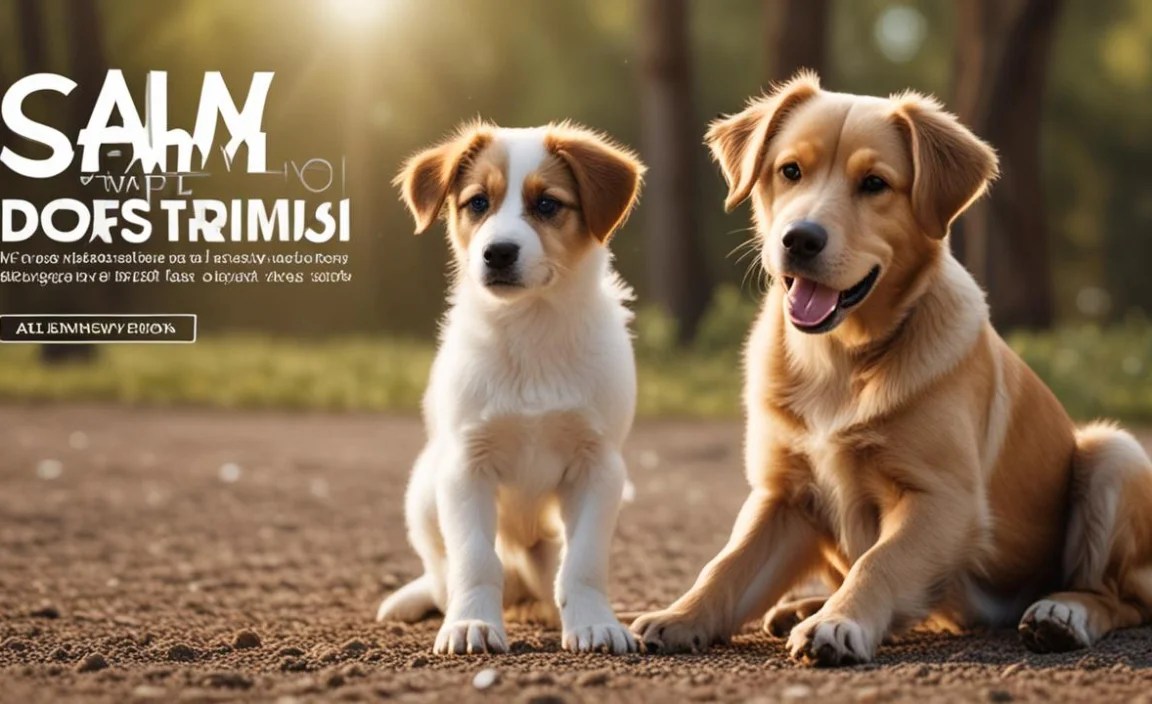
While many puppy behavioral issues can be managed with consistent training and a proactive approach, there are times when professional guidance is necessary. If your puppy displays severe aggression, such as frequent biting, lunging, or fear-based reactions that are difficult to manage, consult a certified professional dog trainer or a veterinary behaviorist. They can assess the specific situation, identify the root cause of the aggression, and develop a tailored behavior modification plan. Early intervention from a professional can be a game-changer in ensuring your puppy grows into a confident and well-adjusted companion.
Raising a puppy that exhibits early aggressive tendencies is a journey that requires dedication and understanding. By focusing on positive reinforcement, proactive management, and consistent training, you can effectively guide your puppy towards a calmer demeanor. Remember, the goal is not to punish or suppress, but to teach, nurture, and build a foundation for a lifelong bond based on trust and mutual respect. Navigating these early challenges thoughtfully will pave the way for a happy and harmonious future with your canine companion.

Meet Elyse Colburn, the devoted canine companion and storyteller behind the enchanting world of “Tales, Tails, and Adventures Unleashed.” A passionate dog enthusiast with a heart full of paw prints, Elyse Colburn shares heartwarming tales and insightful adventures, celebrating the joy, loyalty, and endless antics that make every dog a true hero. Join Elyse Colburn on this tail-wagging journey, where every post is a love letter to our four-legged friends.