
Dog digging problems are a common frustration for pet owners, turning manicured lawns into moonscapes and leading to chewed-up furniture or even chewed-up relationships (with neighbors!). While a dog’s instinct to dig is deeply ingrained, a bit of understanding and some strategic interventions can go a long way in redirecting this behavior. This dog digging problems guide aims to equip you with the knowledge and tools to tackle this persistent issue and reclaim your garden.
Understanding Why Dogs Dig

Before we dive into solutions, it’s crucial to understand the root cause of your canine companion’s excavation habits. Dogs dig for a variety of reasons, and identifying the specific motivation behind your dog’s behavior is the first step towards effective management.
Boredom and Excess Energy: A dog that isn’t getting enough physical and mental stimulation is more likely to find their own entertainment. Digging can be a way to release pent-up energy and fight off boredom. This is particularly common in breeds known for their high energy levels, such as terriers, huskies, and border collies.
Instinctual Behavior: Many breeds were historically developed for hunting or burrowing. Terriers, for example, were bred to hunt small animals that live underground. This instinct to dig and explore is powerful and can manifest even in well-exercised dogs.
Seeking Comfort or Escape: Dogs might dig to escape the heat or cold, seeking cooler earth or a warmer shelter. They might also dig to create a more comfortable resting spot. In some cases, digging can be an attempt to escape a perceived threat or confinement, especially if they are anxious or stressed.
Hunting Prey: If your dog is digging in specific spots, it’s highly likely they are trying to catch a creature they’ve detected underground – mice, voles, insects, or even earthworms can be irresistible targets.
Attention-Seeking: For some dogs, digging might become a learned behavior to get your attention. If you rush out every time they start digging, even if it’s to scold them, they might see it as a successful way to interact with you.
Separation Anxiety: Dogs suffering from separation anxiety may dig out of distress when left alone, often around doors and windows as they attempt to get back to their owners.
Tackling Dog Digging Problems with Training and Enrichment

Once you’ve identified the likely cause, you can implement targeted strategies. Many dog digging problems can be significantly reduced with consistent training and increased enrichment.
1. Increase Physical and Mental Stimulation:
This is perhaps the most critical step for many digging dogs. A tired dog is a good dog.
Physical Exercise: Ensure your dog is getting enough daily exercise. This means more than just a quick walk around the block. Consider longer walks, jogging, fetching, swimming, or visits to a dog park. The amount of exercise needed will vary by breed, age, and individual energy levels.
Mental Stimulation: Engage your dog’s mind with puzzle toys, interactive feeders, scent games (hiding treats around the house or yard), and obedience training sessions. Learning new tricks or commands can be mentally exhausting and satisfying for your dog.
Play and Interaction: Dedicate time each day for active play with your dog. This strengthens your bond and helps them expend energy in a positive way.
2. Redirect the Digging Behavior:
Instead of simply punishing digging, it’s more effective to redirect the behavior to an appropriate outlet.
Create a Designated Digging Area: This is an excellent solution for dogs who are motivated by instinct. Designate a specific spot in your yard that you want your dog to dig in. This could be a sandpit, a large sandbox designed for children, or a contained area filled with loose soil.
Making it Appealing: Bury attractive toys or long-lasting chews in this area to encourage your dog to dig there. When you see your dog digging in this designated spot, praise them enthusiastically.
Discouraging Unwanted Digging: If you catch your dog digging elsewhere, interrupt them with a calm, firm “no” and immediately redirect them to their digging zone.
3. Make Unwanted Digging Areas Unappealing:
You can also take steps to make the areas where your dog shouldn’t dig less attractive.
Bury Obstacles: Bury slightly buried rocks, a chicken wire laid flat just under the surface, or even large deterrent mats in favorite digging spots. The uneven surface and the difficulty of digging through these materials can be off-putting.
Use Scents: Some dogs dislike certain smells. You can try placing citrus peels, cayenne pepper (use cautiously and ensure it doesn’t irritate an open wound), or commercial deterrents around your flower beds or other sensitive areas. However, be aware that rain can wash away these scents, and some dogs are not deterred.
Physical Barriers: Use fencing, chicken wire cages at the base of plants, or garden edging to physically block access to areas you want to protect.
Addressing Specific Digging Triggers

1. For Escape Artists:
If your dog is digging to escape, the primary focus should be on improving their sense of security and addressing any underlying anxiety.
Secure Fencing: Ensure your fence is secure and at an appropriate height.
Address Boredom and Anxiety: As mentioned, increased exercise and mental stimulation are key.
Separation Anxiety: If you suspect separation anxiety, consult with a veterinarian or a certified professional dog trainer. This is a complex issue that often requires behavior modification techniques and sometimes medication.
2. For Hunter-Diggers:
If your dog is digging frantically in one spot, they’ve likely “nabbed” something to catch.
Interrupt and Redirect: When you see them digging, clap your hands or make a sharp noise to interrupt. Immediately call them to you and reward them with a high-value treat or a favorite toy for coming.
Remove the Prey: If possible, try to identify and remove the source of attraction (e.g., rodents).
Consistency is Key
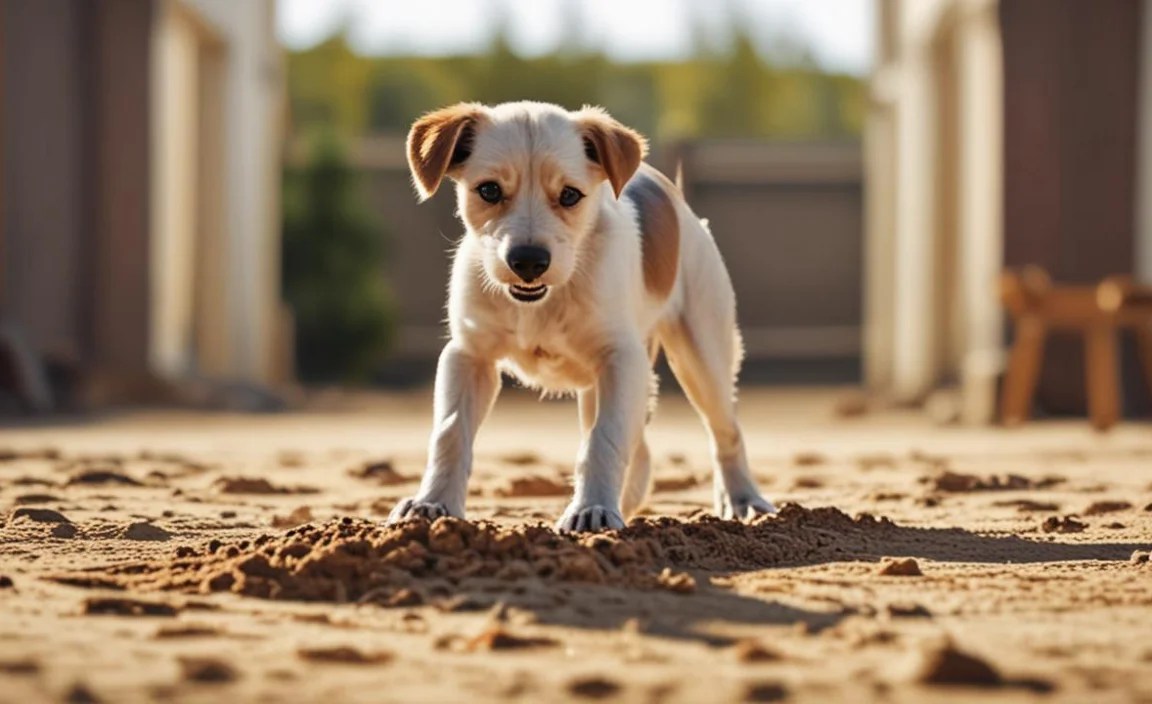
Resolving dog digging problems is rarely an overnight fix. It requires patience, consistency, and a commitment to understanding your dog’s needs. By providing adequate stimulation, redirecting their natural instincts, and making unwanted digging areas less appealing, you can significantly reduce or even eliminate this frustrating behavior. Remember to always use positive reinforcement methods – rewarding good behavior is far more effective than punishing unwanted actions. With time and dedication, you can transform your garden back into a green oasis and enjoy a happier, more harmonious relationship with your furry friend.

Meet Elyse Colburn, the devoted canine companion and storyteller behind the enchanting world of “Tales, Tails, and Adventures Unleashed.” A passionate dog enthusiast with a heart full of paw prints, Elyse Colburn shares heartwarming tales and insightful adventures, celebrating the joy, loyalty, and endless antics that make every dog a true hero. Join Elyse Colburn on this tail-wagging journey, where every post is a love letter to our four-legged friends.