
As dog owners, we must be aware of the common eye diseases that can affect our furry friends. One such disease is dog conjunctivitis, which is a condition that affects the conjunctiva – the membrane that covers the eye. This membrane is usually straightforward but can become red, inflamed, and swollen in dogs with dog conjunctivitis.
This blog post will explore all you need to know about dog conjunctivitis and its causes. We’ll also discuss the treatment options and how to avoid getting dog conjunctivitis in the first place. So read on to learn all there is to know about this common eye disease.
What Is Dog Conjunctivitis?
Dogs and cats are susceptible to dog conjunctivitis; an eye infection most often affects these two species. The symptoms of dog conjunctivitis can include redness, pus, and a swollen eyelid. Treatment usually involves antibiotics to clear the infection and pain relief for the dog. If left untreated, dog conjunctivitis can lead to vision loss in later life. So, if your dog looks a little red-eyed, it’s best to take them to the vet for a checkup.
Causes Of Dog Conjunctivitis – Things To Know

Dogs and cats are both known to be susceptible to dog conjunctivitis, an eye infection that most often affects cats but can also affect dogs. There are a few different ways that dog conjunctivitis can develop, and each one has its own set of causes. The most common cause is contact between the dog’s eye and the environment or another dog’s saliva.
If you think your dog might have dog conjunctivitis, it’s important to take them to a veterinarian for an examination and diagnosis. Treatment will depend on the specific cause of the infection:
Bacterial
Bacterial conjunctivitis is the most common cause of dog eye infections. It’s caused by a bacterial infection and can be cured with antibiotics and eye drops. If left untreated, it may require surgery to remove debris from the eyes.
Viral
Viral conjunctivitis is an eye infection that can be caused by a variety of viruses, bacteria, or even pollen. It’s usually spread through contact with saliva, mucus, or blood. If your dog has this condition, it is essential to get them treated right away, as the discharge from its eyes can be toxic and cause irritation to other people and animals.
Prevention of viral conjunctivitis starts with good hygiene habits – you and your pet should avoid touching their eyes while sneezing or coughing! And finally, if you contract the virus, drink plenty of fluids and rest well so that the infection doesn’t worsen.
Allergies
Dogs can get pink eye if they are allergic to something in their environment. If your dog is allergic to another animal, he may be more prone to getting pink eye. It is essential to know your dog’s allergies so that you can start taking steps to prevent them from happening. Mild cases of the pink eye usually clear up without any treatment, but more severe cases may need antibiotics or ointment.
Canine Conjunctivitis
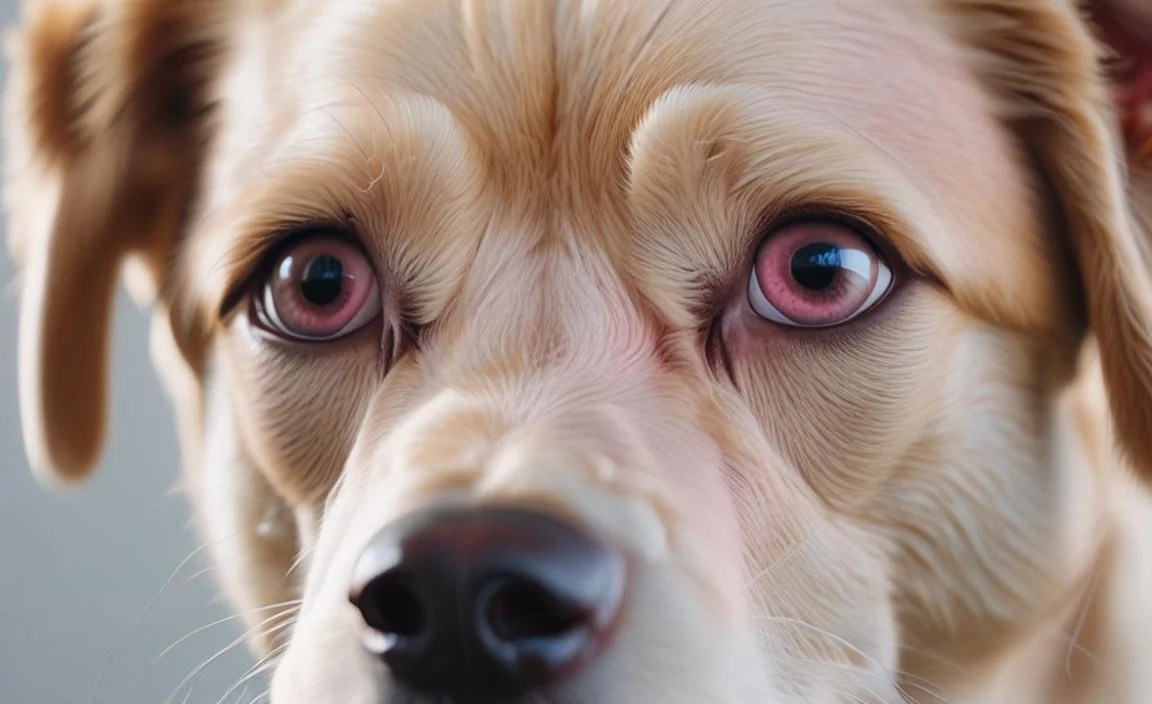
Canine conjunctivitis is a condition that affects the dog’s eye. The most common cause of canine conjunctivitis is a virus, but allergies and other reasons can also be responsible. Signs and symptoms of canine conjunctivitis include red eyes, discharge, and pain when the dog tries to open its eye. Treatment usually involves antibiotics or anti-inflammatory medications.
Irritation/Injury
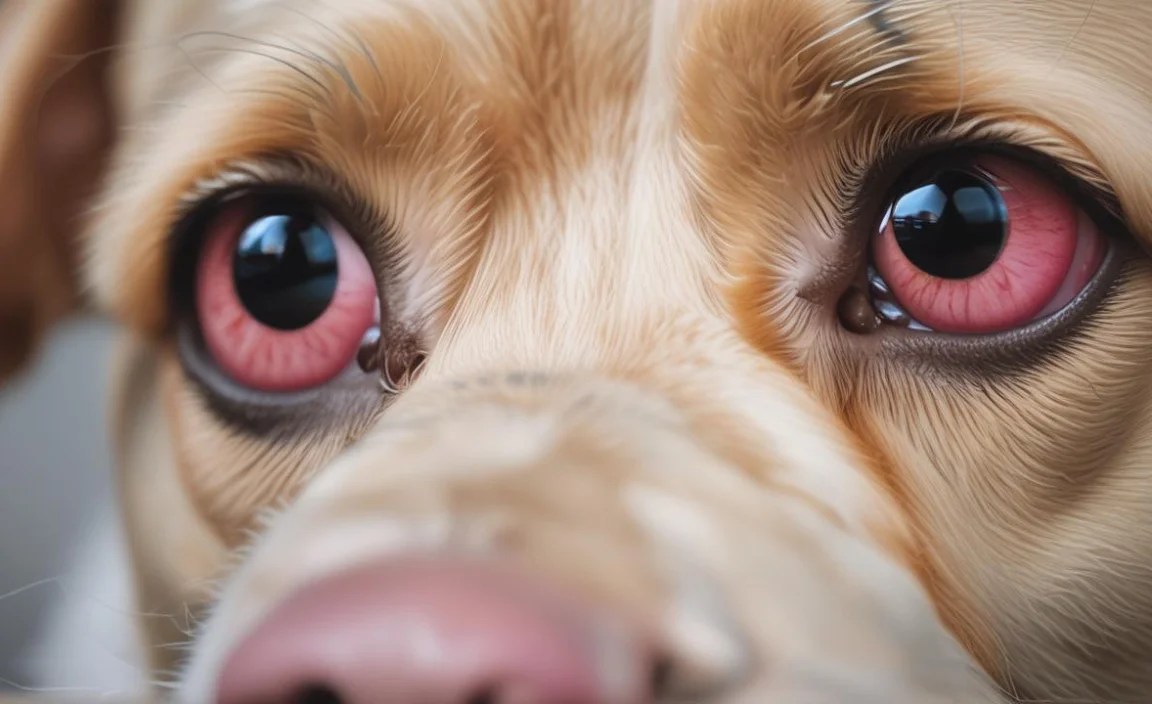
Dogs are prone to getting conjunctivitis, a bacterial infection of the eye. This can happen due to their close contact with people and other animals, unclean environments, and dry eyes. If you notice your dog showing signs such as redness, discharge, and swollen eyes, it’s essential to get him checked out by a vet ASAP!
Prevention is the key – keep your dog clean (including their ears), avoid contact with irritants (especially pet dander) and provide them with good quality food that doesn’t contain allergen-causing ingredients.
Signs Of Dog Conjunctivitis

You may have dog conjunctivitis if you notice your dog constantly rubbing its eyes. Dog conjunctivitis is a condition that affects the eyes of dogs and cats. A virus causes it, and it can be very contagious. The virus attacks the cells in the eye that produce tears, and it can cause inflammation and redness.
Your dog may also experience pain when they open its eyes and difficulty seeing. In extreme cases, your dog may even lose their vision entirely. If your dog has dog conjunctivitis, take them to the vet as soon as possible for treatment.
They’ll likely prescribe antibiotics to clear up the infection, and your pet may need to stay away from bright light for a while so that the infection doesn’t come back later. Most importantly, keeping them hydrated and sheltered from sunlight while recovering will help speed up their recovery process.
Treatment For Dog Conjunctivitis
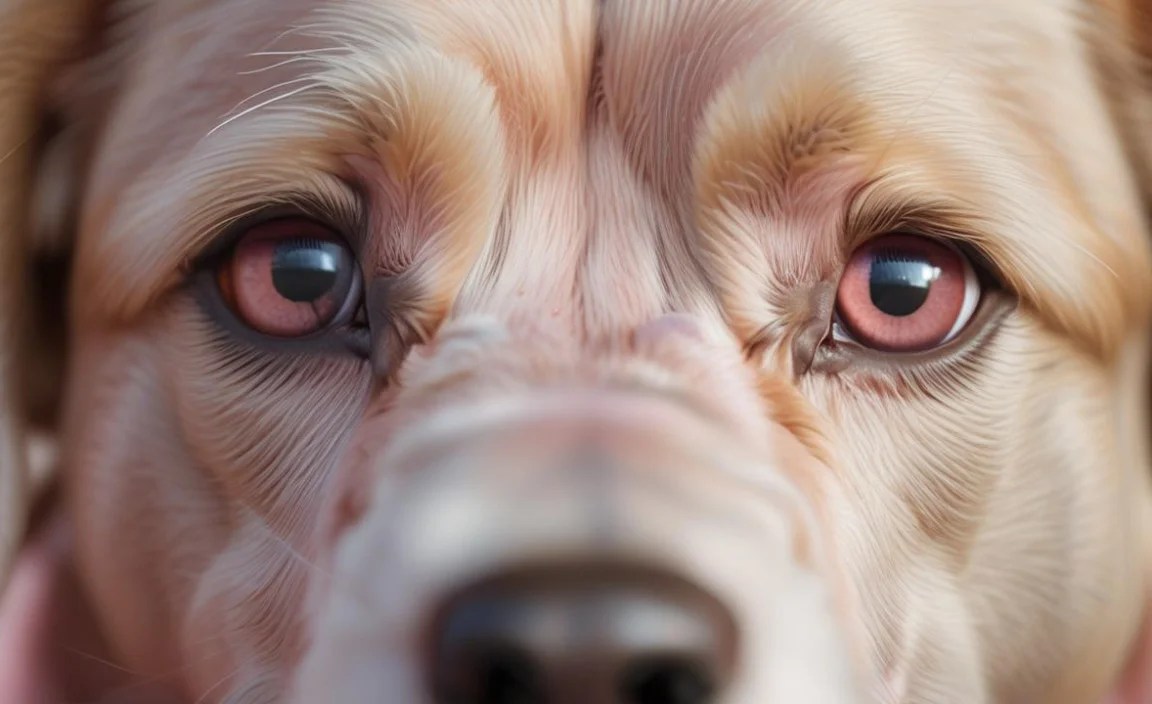
If your dog is constantly squinting and has red eye discharge, it might suffer from dog conjunctivitis. This inflammation of the eye’s conjunctiva is caused by a viral infection and is dogs’ most common eye infection. Treatment typically involves antibiotics or contact lens treatment.
If your dog has recurring episodes of eye irritation, it might be best to see a veterinarian for further examination and treatment options. Remember that conjunctivitis is contagious, so it’s essential to keep your dog healthy and free of infection by cleaning their eye discharge and keeping them dry during dry seasons.
Bacterial Conjunctivitis Treatment
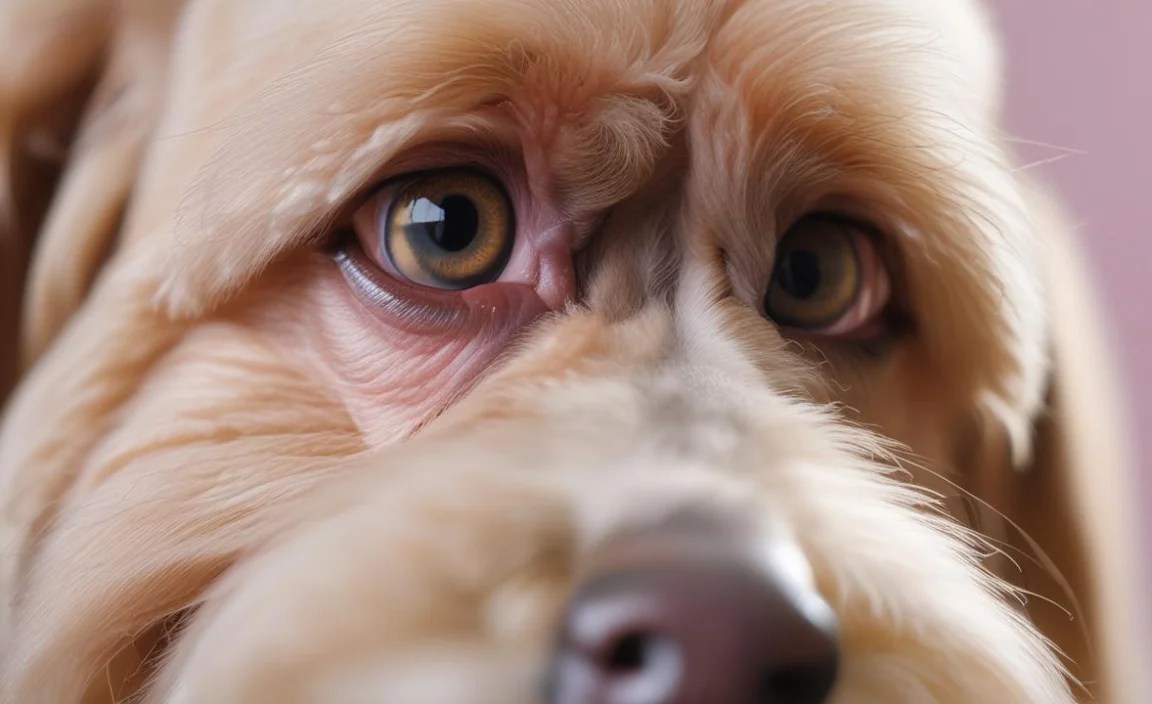
Bacterial conjunctivitis is a condition that can affect both dogs and people. Like humans, dogs can get pink eye (conjunctivitis) due to the common cold or another infection. The most common cause of bacterial conjunctivitis in Dogs is viral conjunctivitis (CDV).
Your dog will require antibiotics to treat the infection and recover quickly. Ensure they drink plenty of water during treatment so they don’t become dehydrated. And keep an eye on them for any signs of discharge or redness around the eyes – this could mean your dog isn’t fully recovering yet and may need further treatment.
Viral Conjunctivitis Treatment
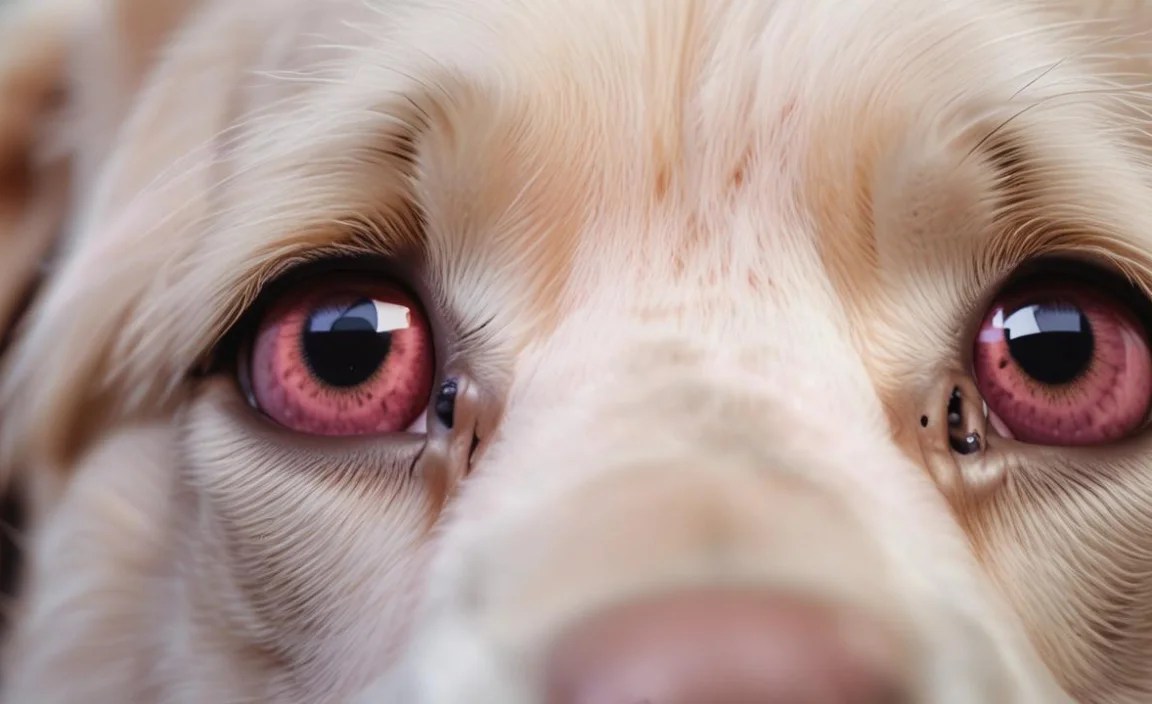
If you’re noticing pink eye in your dog, the first step is always to take them to a vet. Depending on the severity of the infection, treatment may include antibiotics or surgery. Surgery may require surgery to remove conjunctivitis and restore vision to normal in rare cases where the disease hasn’t been cleared even with antibiotic treatment.
Allergic Conjunctivitis Treatment
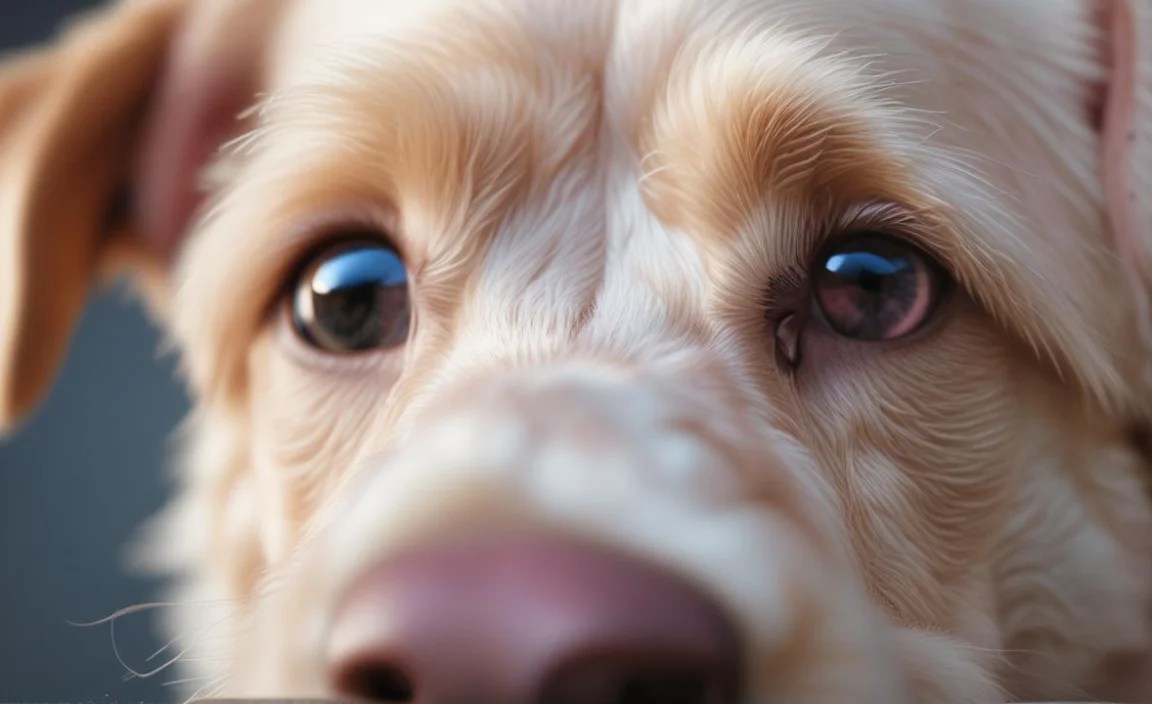
If your dog shows any signs of pink eye, it is essential to take them to a veterinarian as soon as possible. Most cases of conjunctivitis can be cured with antibiotics and special ointments, but your dog may need an operation to remove the infection in severe cases.
Keep in mind that dogs are particularly susceptible to allergies, and allergic conjunctivitis is expected in this breed. Always consult your vet to identify the cause of their condition and treat it accordingly.
Conclusion
There is a lot of confusion surrounding dog conjunctivitis, so it is essential to have all the facts about this condition. Canine conjunctivitis is an infection of the eye that most commonly affects puppies but can affect any dog of any age.
While there are a few causes of dog conjunctivitis, the most common is eye rubbing. If you suspect your dog has dog conjunctivitis, the best action is to take them to the vet for a diagnosis and treatment plan. Please read our blog for more information on dog conjunctivitis and how to treat it.

Meet Elyse Colburn, the devoted canine companion and storyteller behind the enchanting world of “Tales, Tails, and Adventures Unleashed.” A passionate dog enthusiast with a heart full of paw prints, Elyse Colburn shares heartwarming tales and insightful adventures, celebrating the joy, loyalty, and endless antics that make every dog a true hero. Join Elyse Colburn on this tail-wagging journey, where every post is a love letter to our four-legged friends.