
Puppy behavior signs are your first, and arguably most important, window into understanding your new furry family member. From the moment they arrive, these tiny creatures are communicating with you, albeit through a language of wagging tails, sleepy yawns, and sometimes, bewildered whimpers. Learning to decipher these early signals is crucial for building a strong bond, fostering healthy development, and setting the stage for a well-adjusted adult dog. This guide will equip you with the knowledge to recognize and interpret common puppy behavior signs, helping you navigate those exciting, and sometimes confusing, first few months.
Understanding Puppy Communication: More Than Just Barks

Puppies, like all dogs, are masters of non-verbal communication. Their body language is rich and nuanced, conveying a wide range of emotions and intentions. It’s important to remember that context is key. A single gesture rarely tells the whole story; instead, look at the overall picture of their posture, facial expressions, tail wags, and vocalizations.
Tail Wags: Not Always Happy
While a happy, wagging tail is often associated with joy, the way a puppy wags their tail tells a different story. A stiff, high, fast wag might indicate excitement or even agitation, while a loose, relaxed wag, often with a slight sway of the whole hindquarters, is a clearer sign of genuine happiness and friendliness. If a puppy’s tail is tucked between their legs, it’s an unmistakable sign of fear or anxiety.
Ears: The Mood Detectors
A puppy’s ear position can be a fascinating indicator of their emotional state. Relaxed ears, held in their natural position, suggest a calm and comfortable puppy. Ears that are pricked forward and alert usually mean they are interested in something, whether it’s a new toy or a sound. Pinned-back ears, however, often signal fear, submission, or mild anxiety.
Eyes: Windows to the Puppy Soul
The look in a puppy’s eyes can be surprisingly telling. Wide, soft eyes with a relaxed gaze denote contentment. “Whale eye,” where you can see the whites of their eyes, often indicates stress, discomfort, or fear. A direct, sustained stare can sometimes be a challenge, especially in unfamiliar situations, while dilated pupils might suggest excitement, fear, or even overstimulation.
Decoding Common Puppy Behavior Signs
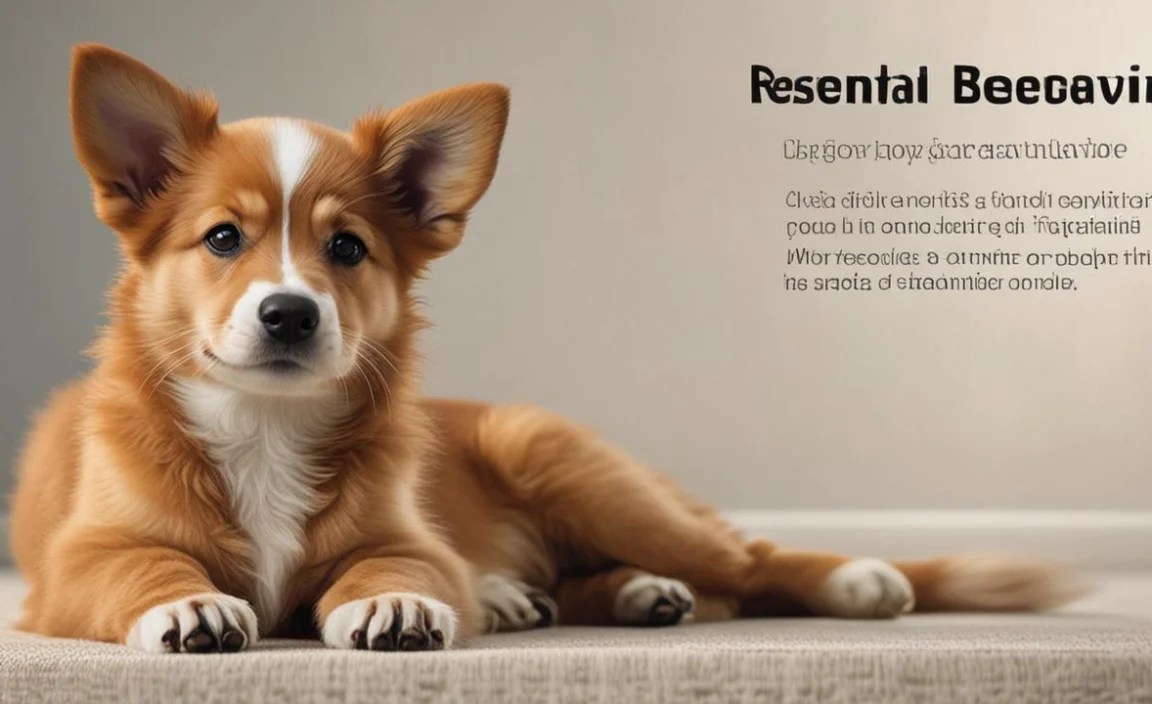
Beyond the basic body language, several specific behaviors are common in puppies and understanding them can save you from misinterpretations.
The Play Bow: An Invitation to Fun

Perhaps one of the most joyous puppy behavior signs is the “play bow.” This is when a puppy lowers their front end to the ground while keeping their hindquarters elevated. This is a universal canine signal for “let’s play!” It’s their way of saying they want to engage in a fun, non-threatening interaction. Responding with gentle play is a great way to build your bond.
Nipping and Mouthing: Natural Puppy Exploration

Puppies explore the world with their mouths, and this includes nipping and mouthing. This is how they learn about textures, tastes, and how hard they can bite. While it’s a natural behavior, it’s crucial to redirect this. When a puppy nips too hard during play, a sharp yelp and immediate cessation of play can teach them bite inhibition. If they persist, a short time-out can reinforce the lesson.
Chewing: More Than Just Destructive Tendencies

Chewing is another fundamental aspect of puppyhood. It helps them relieve teething discomfort, explore their environment, and even relieve stress. Providing an array of appropriate chew toys is essential. If you find your puppy chewing on something they shouldn’t, redirect them to a suitable toy. Consistent redirection and providing ample outlets for this natural behavior will prevent destructive chewing later on.
Whining and Crying: Signaling Needs and Emotions

Puppies will whine and cry for a variety of reasons. It could be hunger, thirst, a need to go potty, loneliness, or even seeking attention. Understanding the context will help you decipher the message. For example, whining near the door might indicate a need to go outside, while whining when left alone may signal separation anxiety. Consistent crying when they are hungry or need to relieve themselves is often a trainable behavior.
Potty Training Signals: Learning to Communicate Their Needs

Recognizing the subtle signs that a puppy needs to potty is key to successful house training. These can include restlessness, sniffing the ground intently, circling, or even a sudden stop in play. Taking them outside immediately when you observe these dog behavior signs in puppies will significantly speed up the house-training process.
Socialization: Shaping Future Behavior

The early weeks and months of a puppy’s life are a critical window for socialization. Exposure to a variety of sights, sounds, people, and other well-behaved dogs in a positive and controlled manner helps shape them into confident, well-adjusted adults. Negative or overwhelming experiences during this period can lead to fear-based or anxious behaviors later in life.
When to Seek Professional Help

While most puppy behaviors are normal developmental stages, there are times when professional guidance is necessary. If you notice persistent, extreme fearfulness, aggression (growling, snapping, biting), compulsive behaviors, or a complete lack of response to training, it’s wise to consult a veterinarian or a certified professional dog trainer. Early intervention can make a significant difference in addressing potential behavioral issues.
Understanding dog behavior signs in puppies is an ongoing journey. It requires patience, observation, and a willingness to learn. By paying close attention to what your puppy is trying to tell you through their actions and vocalizations, you’re not just solving immediate needs; you’re building the foundation for a lifelong, fulfilling relationship built on trust and mutual understanding.

Meet Elyse Colburn, the devoted canine companion and storyteller behind the enchanting world of “Tales, Tails, and Adventures Unleashed.” A passionate dog enthusiast with a heart full of paw prints, Elyse Colburn shares heartwarming tales and insightful adventures, celebrating the joy, loyalty, and endless antics that make every dog a true hero. Join Elyse Colburn on this tail-wagging journey, where every post is a love letter to our four-legged friends.