
Achieving dog obedience doesn’t have to be a gruelling battle of wills. In fact, with the right approach, it can be a rewarding and even effortless journey for both you and your canine companion. This comprehensive dog obedience tips guide aims to equip you with the knowledge and strategies to foster good behaviour and build a stronger bond with your dog. Forget the outdated notions of harsh dominance; modern, positive reinforcement techniques are the key to unlocking your dog’s full potential and creating a harmonious partnership.
Understanding the Foundation of Canine Learning

Before diving into specific commands, it’s crucial to understand how dogs learn. They are not inherently disobedient; rather, they are opportunists who learn what works for them. Positive reinforcement is the cornerstone of effective dog training. This means rewarding desired behaviours immediately and consistently. Rewards can include tasty treats, enthusiastic praise, a favourite toy, or even a hearty scratch behind the ears. The key is to make the reward so desirable that your dog actively seeks to repeat the behaviour that earned it.
Conversely, punishment can be detrimental. It can create fear, anxiety, and aggression, damaging your relationship and hindering the learning process. Instead of focusing on what your dog shouldn’t do, focus on teaching them what you want them to do. This proactive approach is far more effective and humane.
Essential Obedience Commands: The Building Blocks

Every dog owner should focus on mastering a few core obedience commands. These are the foundational pillars upon which all other training is built.
Sit: The Gateway to Control
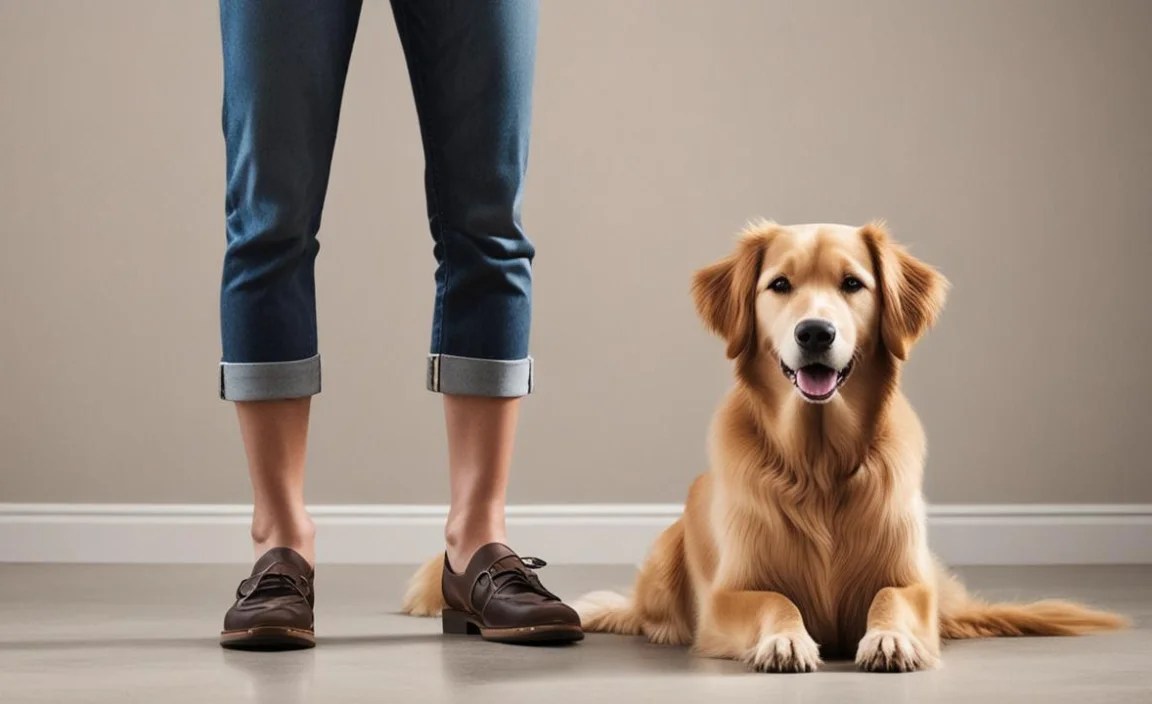
“Sit” is often the first command dogs learn, and for good reason. It’s a fundamental behaviour that can prevent many unwanted actions, such as jumping up or rushing through doors.
How to teach “Sit”:
1. Get your dog’s attention with a treat held near their nose.
2. Slowly move the treat upwards and slightly back over their head. Their nose should follow the treat, naturally causing their rear end to lower into a sit.
3. As soon as their rear touches the ground, say “Sit” and immediately give them the treat and enthusiastic praise.
4. Repeat this several times in short, positive training sessions.
5. Gradually fade the lure by pretending to have a treat in your hand, eventually transitioning to just a hand signal.
Stay: Building Patience and Impulse Control

“Stay” teaches your dog patience and impulse control, vital for safety and managing their excitement.
How to teach “Stay”:
1. Ask your dog to “Sit.”
2. Hold your hand out flat in front of them, palm facing them, and say “Stay.”
3. Take one small step back. If they remain in place, immediately step back to them, reward them, and praise them.
4. Gradually increase the distance and duration you ask them to stay. If they move, don’t scold. Simply return them to their original spot and try again with a shorter distance or duration.
5. Always release them from the stay with a release word like “Okay” or “Free” before they break it themselves.
Come: The Most Important Safety Command
“Come” or “Recall” is arguably the most critical command. A reliable recall can save your dog’s life in an emergency.
How to teach “Come”:
1. Start in a quiet, enclosed area.
2. Get down to your dog’s level and use a happy, excited tone of voice. Say their name followed by “Come!”
3. When they come to you, greet them with extreme enthusiasm and a high-value treat. Make coming to you the best thing ever.
4. Never punish your dog if they eventually come to you after ignoring your call. This will only teach them that coming to you results in a negative experience.
5. Practice regularly, gradually increasing distractions. It’s better to use a long leash in open, safe spaces initially to ensure success and prevent them from learning that they can ignore you.
Beyond the Basics: Addressing Common Behavioural Issues

Once your dog has a solid grasp of the fundamental commands, you can tackle other common behavioural challenges.
Leash Manners: Walking Nicely
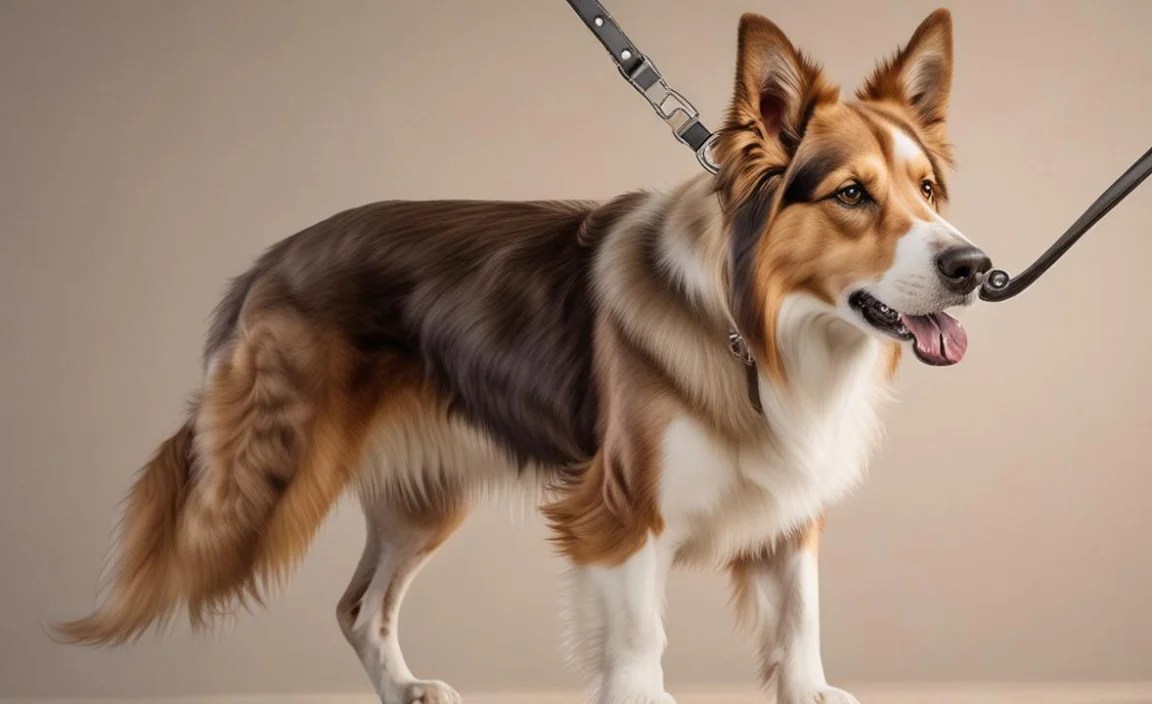
A dog that pulls on the leash can make walks frustrating. The goal is to teach your dog that a loose leash is rewarded.
Tips for loose-leash walking:
Use a comfortable, well-fitting harness or collar. Avoid choke chains or prong collars, which can cause pain and injury.
When your dog pulls, stop walking. Only resume when the leash slackens.
Reward your dog with treats and praise when they walk by your side with a loose leash.
Consider a front-clip harness, which can help redirect pulling.
Crate Training: A Safe Haven
Crate training can provide your dog with a den-like space, aid in house-training, and prevent destructive behaviour when you’re away.
Tips for crate training:
Make the crate a positive place by feeding meals inside or hiding treats and toys.
Never use the crate as punishment.
Start with short periods and gradually increase the time your dog spends in the crate.
Ensure the crate is the right size – large enough for your dog to stand up, turn around, and lie down comfortably, but not so large that they can use one end as a toilet.
The Power of Consistency and Patience

This dog obedience tips guide highlights the importance of consistency. Everyone in the household should use the same commands and reward system. Be patient. Every dog learns at their own pace, and there will be setbacks. Celebrate the small victories, stay positive, and remember that training is an ongoing process that strengthens the human-canine bond.
By embracing positive reinforcement, focusing on core commands, and approaching training with patience and consistency, you’ll discover that effortless success in dog obedience is not only achievable but also incredibly rewarding.

Meet Elyse Colburn, the devoted canine companion and storyteller behind the enchanting world of “Tales, Tails, and Adventures Unleashed.” A passionate dog enthusiast with a heart full of paw prints, Elyse Colburn shares heartwarming tales and insightful adventures, celebrating the joy, loyalty, and endless antics that make every dog a true hero. Join Elyse Colburn on this tail-wagging journey, where every post is a love letter to our four-legged friends.