
Dog behavioral changes naturally are a fascinating aspect of canine companionship, offering insights into their well-being, development, and even their environment. These shifts aren’t always the result of a problem; often, they are normal responses to aging, learned experiences, or altered circumstances. As responsible pet owners, understanding these transitions is crucial for providing the best possible care and strengthening the bond we share with our furry family members. This guide will delve into the common reasons behind these natural alterations in behavior, offering practical advice for navigating them with empathy and informed action.
The Spectrum of Natural Behavioral Shifts

It’s important to recognize that “behavioral changes” is a broad term. Some might be subtle, like a slight increase in napping or a newfound enthusiasm for a particular toy. Others can be more noticeable, such as a previously reserved dog becoming more social, or an active pup preferring calmer activities. The key is to observe and understand the context surrounding these transformations rather than immediately labeling them as problematic.
Consider the following common scenarios where you might observe dog behavioral changes naturally:
Puppyhood to Adulthood: This is perhaps the most dramatic period of behavioral evolution. A playful, easily distracted puppy gradually matures into a more focused, but still energetic, young adult. Early socialization and training during this phase are foundational, shaping their future interactions with the world. You might notice increased independence, a more refined understanding of boundaries, and the development of their unique personality.
Aging and Seniority: As dogs enter their senior years, physical changes inevitably lead to behavioral modifications. Reduced mobility might result in less enthusiastic play or reluctance to jump. Sensory decline, such as diminished hearing or vision, can lead to increased anxiety or a tendency to startle. Older dogs often seek out more comfortable resting spots and may experience changes in sleep patterns. Their need for enrichment might shift from boisterous games to gentle walks and quiet companionship.
Environmental Adjustments: Moving to a new home, the arrival of a new family member (human or animal), or even significant changes in your daily routine can trigger behavioral responses. A dog might become more clingy if they feel insecure in a new environment or more withdrawn if overwhelmed. Conversely, some dogs thrive on novelty and may exhibit newfound curiosity.
Learned Experiences: Positive or negative experiences can profoundly impact a dog’s behavior. A dog that was previously fearful of thunderstorms might become less so after repeated, calm exposure and positive reinforcement. Conversely, a single frightening encounter with a particular object or situation can lead to lasting avoidance behaviors. This highlights the power of association and the importance of creating positive associations from an early age.
Dietary or Health Fluctuations: While not always obvious, subtle changes in a dog’s diet or underlying health can manifest as behavioral shifts. Lethargy, irritability, or changes in appetite can sometimes be linked to nutritional deficiencies or the early stages of illness. Regular veterinary check-ups are crucial for ruling out any medical causes for unexpected changes.
Navigating Dog Behavioral Changes Naturally Through Observation and Understanding

The foundation for managing dog behavioral changes naturally lies in keen observation and a genuine effort to understand. Instead of jumping to conclusions or implementing drastic measures, take a step back and gather information.
Document the Changes: Keep a journal or simply make mental notes about when the changes occur, what triggers them, and how your dog reacts. Is it happening at specific times of day? In certain situations? Is it a sudden shift or a gradual evolution?
Consider the Dog’s Age and Breed: A change in energy levels might be more concerning in a young, active breed than in an older mixed breed. Understanding breed predispositions can help you contextualize behaviors.
Assess Their Lifestyle: Has their exercise routine changed? Their social interactions? Their diet? How much mental stimulation are they receiving? All these factors play a role.
Rule Out Medical Issues: This cannot be stressed enough. If you notice significant or sudden behavioral changes, a visit to your veterinarian is paramount. Pain, discomfort, or underlying health conditions can often be the culprit.
Supporting Your Dog Through Behavioral Evolution
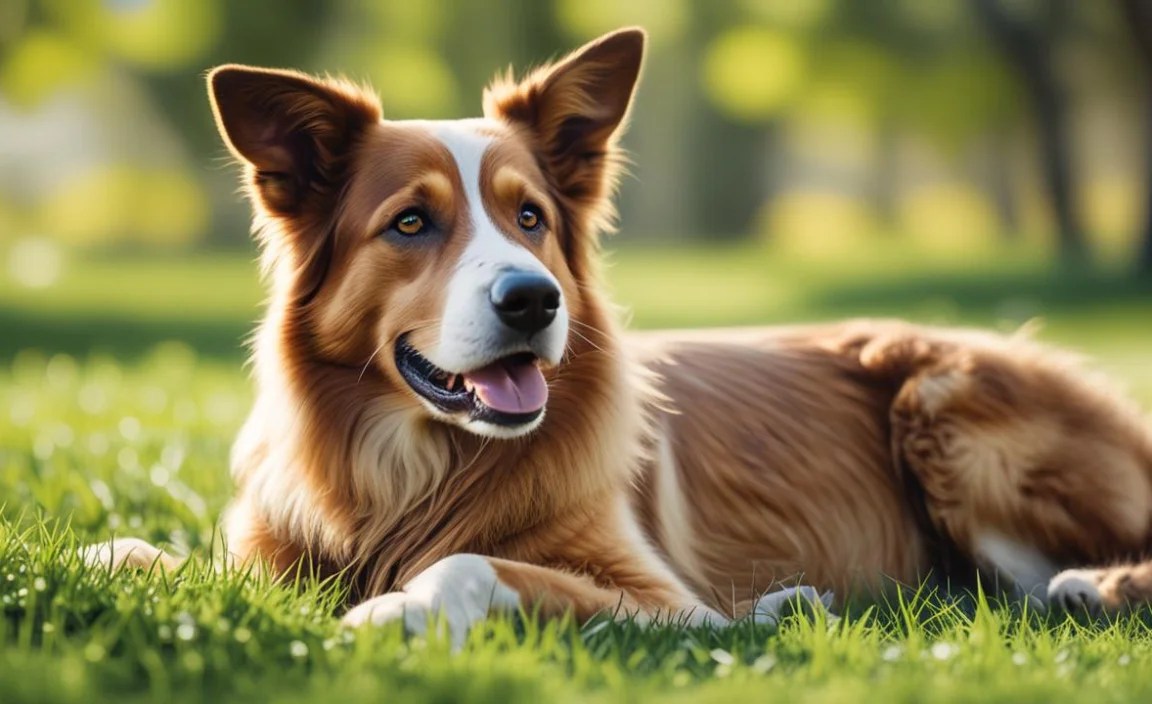
Once you’ve observed and considered the context of dog behavioral changes naturally, you can implement strategies to support your canine companion.
Patience and Empathy: This is perhaps the most important tool in your arsenal. Understand that your dog is not acting out intentionally; they are responding to internal or external stimuli. Approach their changes with kindness and understanding.
Adjusting Routines: If your dog’s energy levels have decreased, adapt their exercise accordingly. Instead of long, strenuous hikes, perhaps opt for shorter, more frequent walks or gentle play sessions. If they are experiencing sensory decline, create a safer, more predictable environment.
Enrichment and Mental Stimulation: Even as dogs age, mental stimulation remains crucial. Puzzle toys, scent work, and gentle training sessions can keep their minds sharp and engaged, helping to prevent boredom and associated behaviors.
Positive Reinforcement: Continue to use positive reinforcement techniques for desired behaviors. This helps build confidence and strengthens your bond, especially during times of transition.
Professional Guidance: If you are struggling to understand or manage the changes, don’t hesitate to consult a certified professional dog trainer or a veterinary behaviorist. They can provide tailored advice and training plans.
By embracing a proactive, observant, and empathetic approach to dog behavioral changes naturally, you can ensure your dog continues to live a happy, healthy, and fulfilling life by your side. These transformations are not a sign of a failing pet or a flawed owner, but rather a testament to the dynamic and evolving nature of our beloved canine companions.

Meet Elyse Colburn, the devoted canine companion and storyteller behind the enchanting world of “Tales, Tails, and Adventures Unleashed.” A passionate dog enthusiast with a heart full of paw prints, Elyse Colburn shares heartwarming tales and insightful adventures, celebrating the joy, loyalty, and endless antics that make every dog a true hero. Join Elyse Colburn on this tail-wagging journey, where every post is a love letter to our four-legged friends.