
When your furry companion experiences moments of stress, anxiety, or overexcitement, knowing how to effectively soothe them is paramount. Implementing dog calming techniques step by step can transform their experience and strengthen your bond. This guide will walk you through practical and humane methods to help your dog find their zen, whether they’re dealing with thunderstorms, separation anxiety, or simply a boisterous visitor.
The first step in any calming endeavor is observation. Before you can intervene, you need to understand what triggers your dog’s distress. Are their ears pinned back, tail tucked, or are they pacing and panting excessively? Recognizing these subtle – or not-so-subtle – cues is the foundation of successful intervention. Once you’ve identified the trigger, you can begin to apply targeted dog calming techniques step by step.
Understanding the Root Cause: Why Is Your Dog Anxious?

Before diving into specific techniques, it’s crucial to address the underlying reason for your dog’s distress. Common triggers include:
Environmental Changes: Moving to a new home, new furniture, or even changes in weather patterns (like thunderstorms) can be unsettling.
Social Anxiety: Fear of strangers, other dogs, or loud noises at events can lead to anxiety.
Separation Anxiety: This is a significant issue for many dogs, characterized by distress when left alone.
Previous Trauma: Rescue dogs, in particular, may carry baggage from past negative experiences.
Medical Issues: Sometimes, sudden changes in behavior or increased anxiety can be linked to underlying health problems. If you suspect this, a veterinary consultation is essential.
Essential Dog Calming Techniques Step by Step

Once you have a better understanding of the “why,” you can start implementing these practical dog calming techniques step by step. Consistency is key, so commit to practicing these methods regularly.
1. Creating a Safe Haven

Think of this as your dog’s personal sanctuary. Designate a quiet, comfortable space where your dog feels secure. This could be a crate covered with a blanket, a specific bed in a low-traffic area, or even a cozy corner. Equip this space with their favorite toys and a familiar blanket to enhance the sense of security. When they exhibit signs of stress, gently encourage them to retreat to their safe haven. Never force them; the goal is for them to seek it out voluntarily.
2. Positive Reinforcement and Desensitization
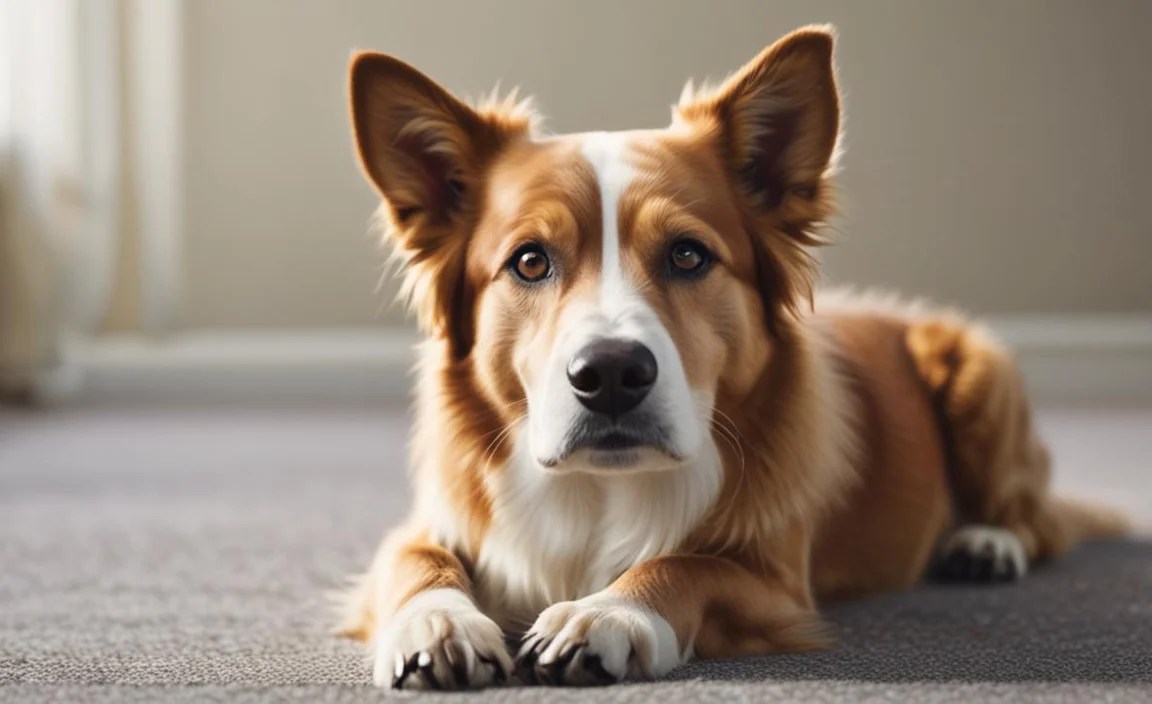
This is a cornerstone for addressing specific phobias or fears, like fear of thunderstorms or fireworks. The principle is to gradually expose your dog to their trigger at a very low intensity while rewarding calm behavior. For example, if your dog fears fireworks, start by playing recordings of firework sounds at an incredibly low volume while offering high-value treats and praise. As your dog becomes comfortable, slowly increase the volume over many sessions. The key here is to proceed at your dog’s pace, never pushing them to a point where they become overwhelmed and fearful. This dog calming techniques step by step approach requires patience and meticulous control over the exposure.
3. Counter-Conditioning with Treats and Praise

This technique is about changing your dog’s emotional response to a trigger. Instead of associating a situation (like the sound of the doorbell) with anxiety, you want them to associate it with something positive, like delicious treats. The moment the trigger occurs, immediately offer a high-value treat. When the trigger stops, the treats stop. The goal is for your dog to learn that the trigger predicts good things. This is a proactive method that can be integrated into daily life, even when your dog isn’t actively anxious.
4. Calming Aids and Tools

Several products can assist in calming your dog:
Calming Treats and Supplements: These often contain natural ingredients like L-theanine, tryptophan, or chamomile, known for their relaxing properties. Always consult your vet before introducing any new supplement.
Pheromone Diffusers/Sprays: These mimic the natural pheromones mother dogs release to calm their puppies. They can be particularly helpful for general anxiety or during stressful events.
ThunderShirts or Anxiety Wraps: These apply gentle, constant pressure to a dog’s body, similar to swaddling an infant. This pressure can have a calming effect on the nervous system.
* White Noise Machines or Calming Music: For dogs sensitive to loud noises, background static or soothing music can help mask trigger sounds and create a more relaxed atmosphere.
5. Incorporating Massage and Touch

Gentle, calming touch can work wonders. Learn a few basic canine massage techniques. Focus on long, slow strokes along their back, shoulders, and neck. Avoid any areas that seem to cause discomfort. Some dogs respond well to a gentle “burrito wrap” with a blanket, providing a feeling of security. Observe your dog’s body language; if they lean into your touch or relax their posture, you’re on the right track.
6. Building Confidence Through Training

Paradoxically, reinforcing basic obedience commands and teaching new tricks can boost a dog’s confidence. When a dog understands what is expected of them and can successfully perform requested behaviors, it reduces uncertainty and anxiety. Engage in short, fun training sessions, always ending on a positive note. This reinforces your role as a reliable leader and builds your dog’s self-esteem.
7. Ensuring Adequate Exercise and Mental Stimulation

A tired dog is often a calmer dog. Ensure your dog gets enough physical activity tailored to their breed, age, and health. Beyond physical exercise, mental stimulation is equally important. Puzzle toys, scent work, and interactive games challenge their minds and can prevent boredom-induced anxiety. A well-exercised and mentally engaged dog is less likely to develop or exhibit excessive anxious behaviors.
When to Seek Professional Help

While these dog calming techniques step by step can be incredibly effective, there are times when professional intervention is necessary. If your dog’s anxiety is severe, persistent, or impacting their quality of life, consult your veterinarian. They can rule out any underlying medical conditions and may refer you to a certified professional dog trainer or a veterinary behaviorist. These experts can provide tailored strategies and, in some cases, recommend medication to manage severe anxiety.
By understanding your dog’s unique needs and employing these thoughtful, step-by-step techniques, you can create a calmer, happier environment for your beloved canine companion. Remember, patience, consistency, and a deep understanding of your dog’s cues are your most valuable tools in this journey.

Meet Elyse Colburn, the devoted canine companion and storyteller behind the enchanting world of “Tales, Tails, and Adventures Unleashed.” A passionate dog enthusiast with a heart full of paw prints, Elyse Colburn shares heartwarming tales and insightful adventures, celebrating the joy, loyalty, and endless antics that make every dog a true hero. Join Elyse Colburn on this tail-wagging journey, where every post is a love letter to our four-legged friends.