
Dog calming training: Effortless stress relief is an increasingly sought-after skill for pet owners around the globe. With busy lives and sometimes overwhelming environments, our canine companions can experience stress and anxiety, just like us. Fortunately, there are effective and humane methods to help them find their inner peace. This isn’t about suppressing natural behaviors, but rather about equipping your dog with the tools to manage their emotions and navigate challenging situations with greater composure.
The journey towards a calmer dog begins with understanding the root causes of their stress. Common triggers can include separation anxiety, loud noises like thunderstorms or fireworks, unfamiliar people or animals, car rides, or even changes in routine. Recognizing these triggers is the first crucial step. Observe your dog’s body language: excessive panting, lip licking, yawning when not tired, a tucked tail, flattened ears, trembling, or destructive behavior can all be indicators of distress. Pinpointing what’s unsettling your dog allows you to tailor your training approach for maximum effectiveness.
Understanding the Foundations of Dog Calming Techniques Training

At its core, dog calming techniques training relies on positive reinforcement and building your dog’s confidence. This means rewarding calm behaviors and creating positive associations with things they find stressful. Force-based methods or punishment, often used historically, can actually exacerbate anxiety and damage your bond with your dog. Instead, we want to create a safe and nurturing environment where your dog feels secure enough to learn and grow.
One of the most fundamental techniques is desensitization and counter-conditioning. This involves gradually exposing your dog to their trigger at a low intensity, where they don’t exhibit fearful behavior, and pairing it with something highly positive, like a high-value treat or a favorite game. For example, if your dog is fearful of car rides, you might start by just opening the car door and giving them a treat. Once they are comfortable with that, you’d move to sitting in the car with the engine off, then turning the engine on, and so on, always moving at your dog’s pace and ensuring they remain relaxed. The key is to progress very slowly, ensuring each step is a positive experience.
Essential Dog Calming Techniques to Implement

Beyond desensitization, several other dog calming techniques training methods can be integrated into your daily routine. Management is crucial, especially when you’re still in the training process. This means preventing your dog from being exposed to situations that overwhelm them while you work on building their coping mechanisms. For instance, if your dog is anxious when visitors arrive, you might crate them in a quiet room with a stuffed Kong or have them wear a calming harness for a short period until they can be safely and calmly introduced to guests.
Enrichment plays a vital role in preventing boredom and pent-up energy, which can contribute to anxiety. Puzzle toys, interactive feeders, and regular exercise (appropriate for your dog’s breed and age) are excellent ways to keep their minds stimulated and bodies tired. A mentally and physically fatigued dog is more likely to be a relaxed dog. Consider scent work games or teaching new tricks to provide mental challenges that build confidence and focus.
The Power of a Calm Presence: Your Role in Dog Calming Techniques Training

Your own emotional state significantly impacts your dog. Dogs are incredibly attuned to our energy. If you are anxious or stressed, your dog will likely pick up on that and mirror your feelings. Therefore, practicing mindfulness and staying calm yourself is a fundamental part of dog calming techniques training. Take deep breaths and project a sense of confidence and control, even when your dog is exhibiting anxious behavior. Respond to their stress with a calm, reassuring demeanor, rather than with panic or frustration.
The use of calming aids can also be beneficial as a supplementary tool. These can include:
ThunderShirts or Anxiety Wraps: These apply gentle, constant pressure, which can have a calming effect similar to swaddling an infant.
Calming Pheromone Diffusers or Sprays: These mimic natural pheromones that signal safety and security to dogs.
Herbal Supplements or CBD Oil: Consult with your veterinarian before using any supplements, as they can be effective for some dogs experiencing anxiety.
Calming Music or White Noise: Specially designed music for dogs or simple white noise can help mask startling sounds and create a peaceful atmosphere.
Creating a Safe Haven and Building Trust
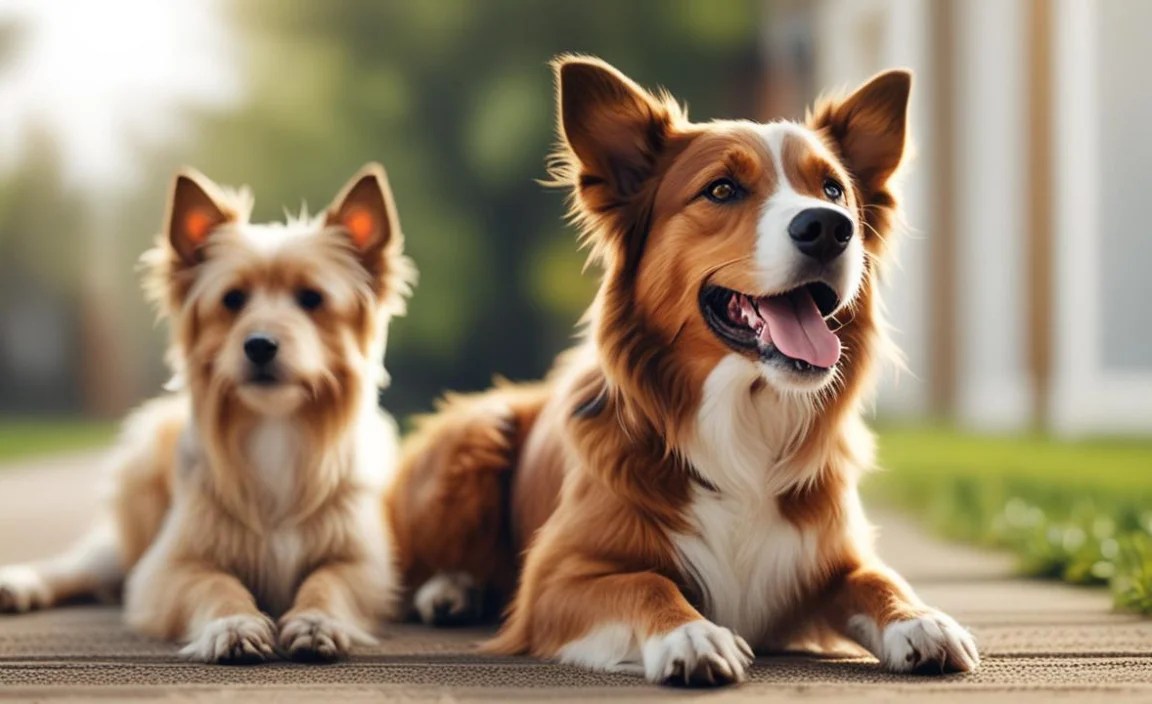
Ensuring your dog has a designated safe space is paramount. This could be a crate, a specific bed, or a corner of a room that is always yours, where they can retreat when they feel overwhelmed. Make this space a positive one, filled with their favorite toys and a comfortable blanket, and never use it for punishment. This gives them a predictable retreat they can rely on.
Consistency is key in all dog calming techniques training endeavors. Implement these methods consistently across all family members. Short, frequent training sessions are more effective than longer, sporadic ones. Celebrate small victories and be patient. Building a calmer, more confident dog is a process, not an overnight fix.
In conclusion, achieving effortless stress relief for your dog through dedicated training is a rewarding endeavor. By understanding their needs, employing positive reinforcement, practicing management, providing enrichment, and cultivating your own calm presence, you can significantly improve your dog’s quality of life. Remember, patience, consistency, and love are the cornerstones of successful dog calming techniques training, leading to a happier, healthier, and more relaxed canine companion.

Meet Elyse Colburn, the devoted canine companion and storyteller behind the enchanting world of “Tales, Tails, and Adventures Unleashed.” A passionate dog enthusiast with a heart full of paw prints, Elyse Colburn shares heartwarming tales and insightful adventures, celebrating the joy, loyalty, and endless antics that make every dog a true hero. Join Elyse Colburn on this tail-wagging journey, where every post is a love letter to our four-legged friends.