
Dog chasing cars techniques are crucial for the safety of both your canine companion and the wider community. This ingrained instinct, often rooted in prey drive or sheer excitement, can transform a well-behaved dog into a dangerous blur of fur and determination. Fortunately, with understanding, patience, and the right training strategies, this potentially hazardous behavior can be managed and ultimately overcome. It’s important to remember that this isn’t about punishment, but rather redirection and addressing the underlying triggers.
Understanding the Drive: Why Do Dogs Chase Cars?

Before diving into the “how-to,” it’s essential to understand the “why.” Several factors contribute to a dog’s compulsion to chase moving vehicles:
Prey Drive: This is the most common reason. For thousands of years, dogs have been bred for activities like hunting, which involves spotting, chasing, and sometimes capturing prey. A moving car, especially one that’s not moving particularly fast, can trigger this primal instinct. The movement, the sound, and the sheer size of the vehicle can all activate this deeply embedded drive.
Boredom and Lack of Stimulation: A dog with pent-up energy and insufficient mental or physical exercise is more likely to seek out their own entertainment, and chasing cars can seem like a thrilling activity. They might be looking for a way to expend excess energy or simply to alleviate boredom.
Excitement and Frustration: Similarly, a dog that is highly excited or frustrated, perhaps when left unsupervised in a yard, might react to the stimulus of a passing car with an impulsive chase. This can be exacerbated if they’ve had a past “reward” experiences, even if that reward was just the thrill of the chase itself.
Territorial Behavior: Some dogs view passing cars as an intrusion into their territory. Chasing them away can be seen as a way to defend their perceived boundaries.
Learned Behavior: If a dog has successfully chased cars in the past, even if it led to being called back by their owner, the act of chasing itself can be intrinsically rewarding. Without intervention, this behavior can become habit-forming.
Effective Dog Chasing Cars Techniques: A Multi-Pronged Approach

Addressing this behavior requires a consistent and comprehensive strategy. It’s not a quick fix, but a process of re-shaping your dog’s instincts and responses.
1. Management is Key: Prevent Opportunities
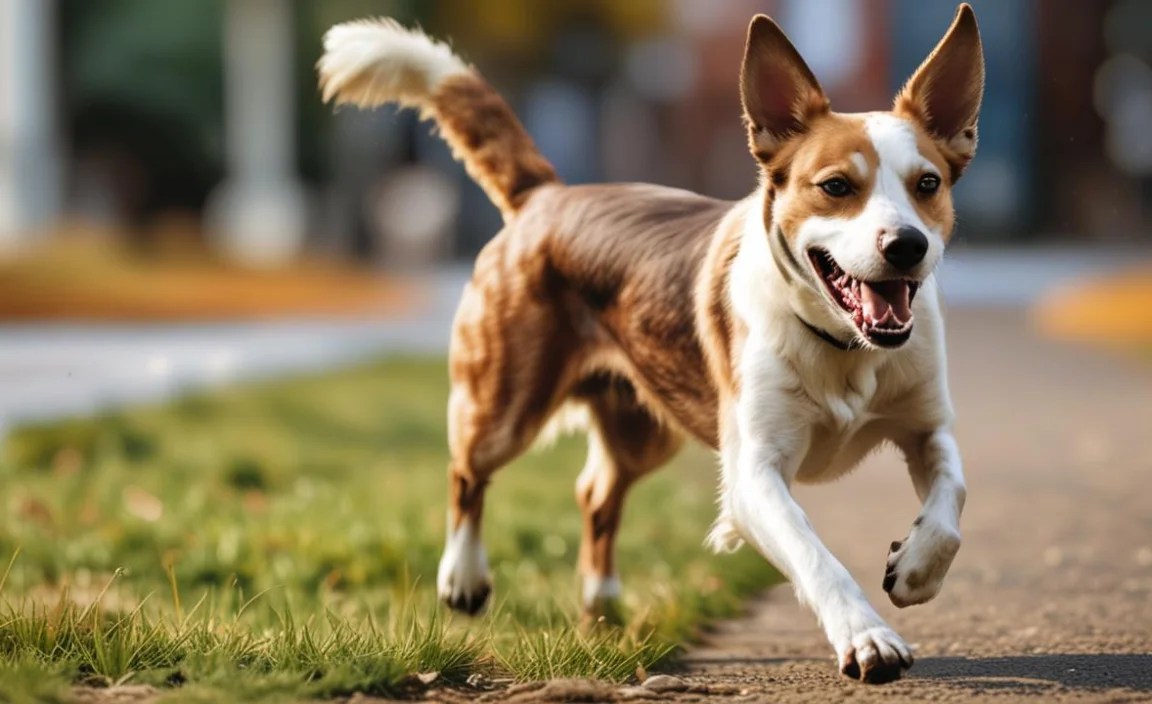
The most immediate and effective technique is to prevent your dog from ever having the opportunity to chase cars. This is paramount, especially in the early stages of training.
Secure Fencing: Ensure your yard is securely fenced with no gaps or low points your dog can escape through. If a fence isn’t feasible, or your dog is a known escape artist, consider a long, sturdy leash when outdoors.
Leash Control in Public: Always use a secure leash when walking your dog in areas where cars are present. Avoid retractable leashes, as they offer less control in sudden lunges.
Supervision: Never leave a dog prone to chasing cars unsupervised in the yard, even behind a fence. Your constant presence is a crucial deterrent.
2. Redirect and Reward: Positive Reinforcement

Once opportunities are managed, focus on redirecting your dog’s attention and rewarding them for appropriate behavior.
“Watch Me” Command: Teach your dog a strong “watch me” or “look at me” command. Practice this command frequently in low-distraction environments. Once mastered, use it as soon as you see a car approaching or your dog shows signs of becoming interested.
High-Value Treats: When your dog successfully shifts their focus from the car to you on command, reward them with something exceptionally enticing – small pieces of cheese, cooked chicken, or their favorite treat. This teaches them that paying attention to you is more rewarding than chasing the car.
Positive Association: If your dog sees a car and doesn’t react aggressively or try to chase, reward them heavily. This helps build a positive association with the presence of cars, rather than seeing them solely as objects to pursue.
3. Desensitization and Counter-Conditioning
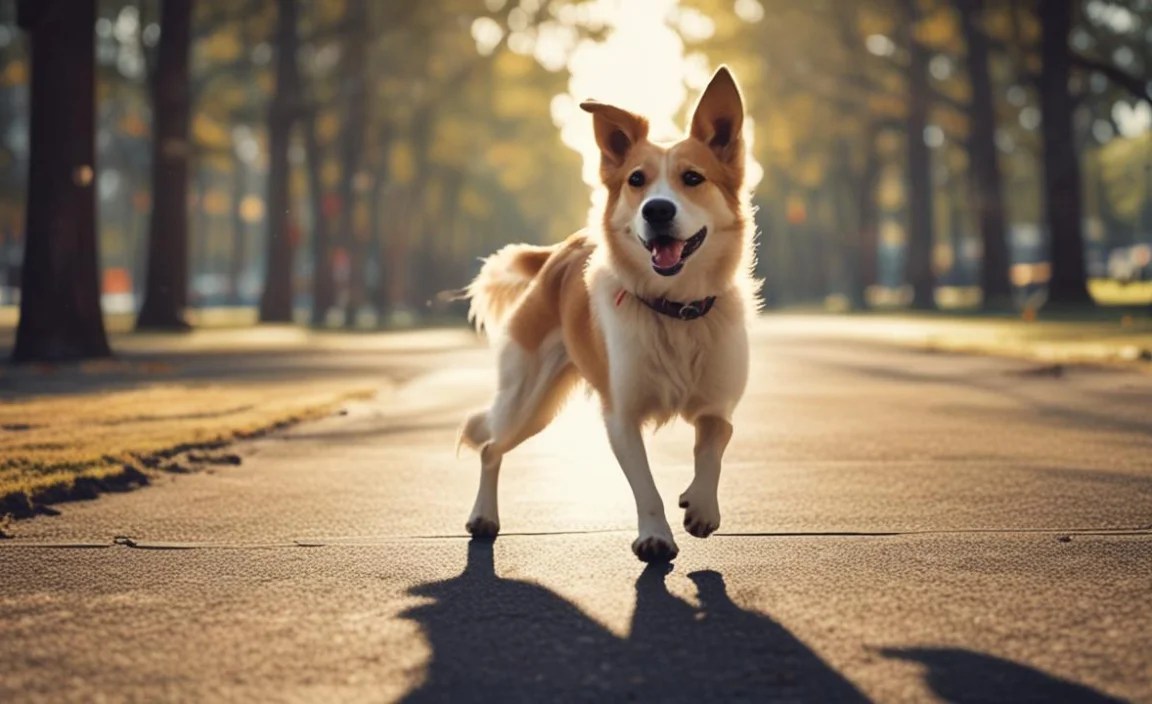
This involves gradually exposing your dog to cars in a controlled manner and changing their emotional response.
Gradual Exposure: Start at a distance where your dog notices the car but doesn’t react. Have treats ready. As the car passes at this safe distance, give them treats. The goal is for them to associate the passing car with something positive.
Decrease Distance Slowly: Over time, and only when your dog is consistently calm, gradually decrease the distance. If your dog shows any signs of rising tension or interest in chasing, you’ve moved too quickly. Increase the distance again until they are comfortable.
Controlled Environment: This is best done in a controlled setting that you can manage, such as a quiet street with very infrequent traffic, or even with a friend driving a car past your property at a slow pace.
4. Recall Training: A Lifesaving Skill
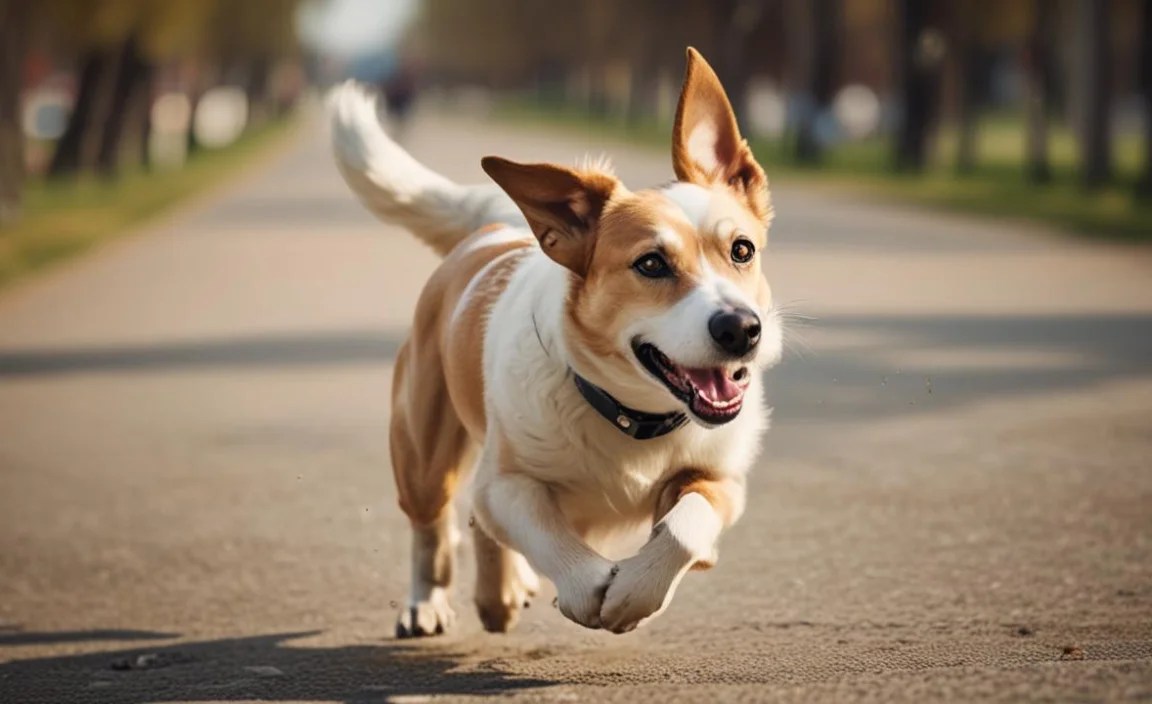
A strong recall is absolutely vital for any dog, but especially one with a car-chasing tendency.
Practice Consistently: Train a rock-solid recall in various environments, starting with few distractions and gradually increasing them. Make coming to you the most exciting event possible.
Emergency Recall: Use a distinct recall cue (e.g., a whistle, a specific word) that you reserve for emergencies. Ensure your dog understands that this particular command means immediate attention and a reward.
5. Address Underlying Issues: Boredom and Energy
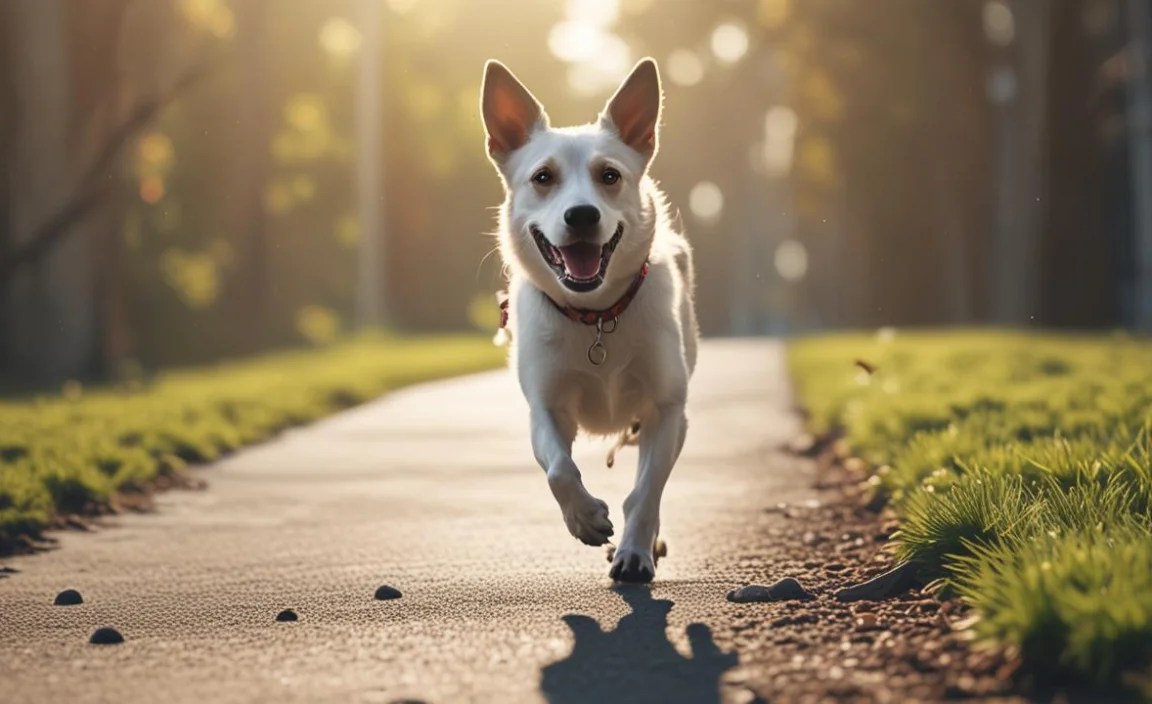
As mentioned, lack of stimulation is a significant contributor.
Increased Exercise: Ensure your dog is getting enough physical activity. This includes daily walks, runs, or playtime. A tired dog is less likely to seek out trouble.
Mental Stimulation: Engage your dog’s mind with puzzle toys, obedience training sessions, scent games, or agility exercises. Mental fatigue is just as important as physical fatigue.
Appropriate Toys: Provide plenty of engaging chew toys and interactive toys to keep your dog entertained when you cannot directly supervise them.
What to Avoid When Using Dog Chasing Cars Techniques
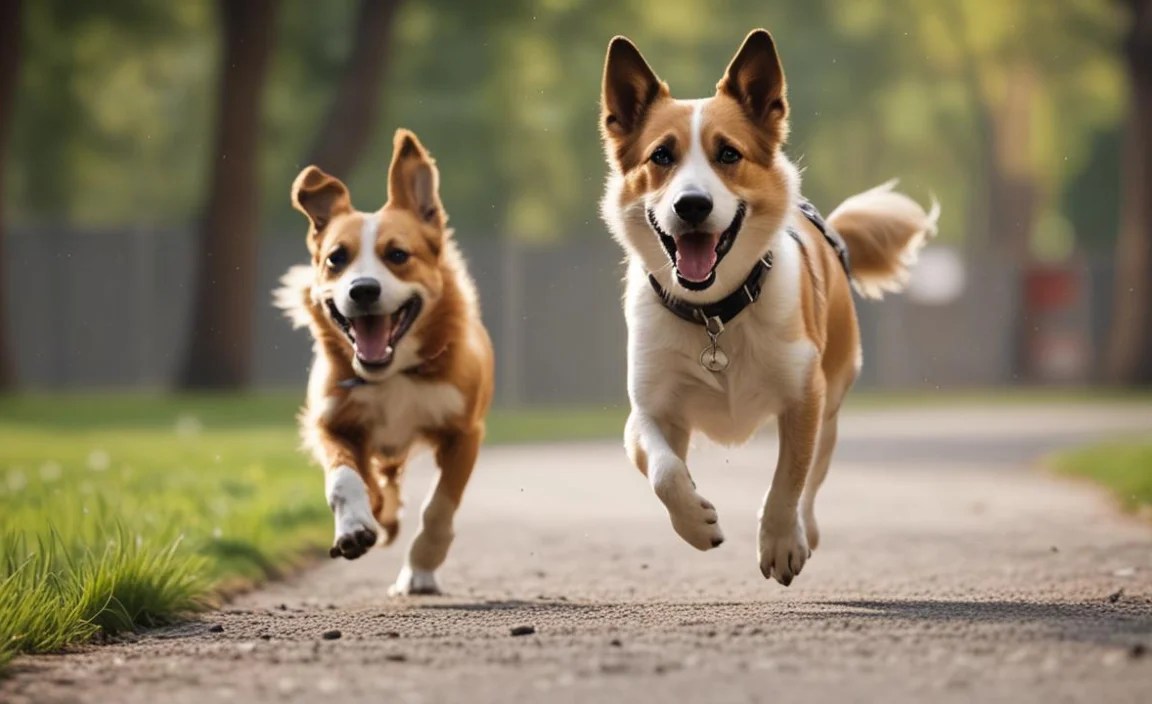
Punishment: Punishing your dog after they’ve chased a car is ineffective. They won’t associate the punishment with the act of chasing, but rather with your presence after the event, which can lead to fear and damage your bond.
Chasing Them: Never chase your dog if they are in pursuit of a car. This can inadvertently encourage them and transform it into a game. Instead, try a calm, encouraging recall.
Ignoring the Behavior: Hoping it will just go away is not a viable strategy. This behavior needs active intervention.
By implementing these dog chasing cars techniques, you can significantly reduce and, with dedication, eliminate this dangerous habit. It requires patience, consistency, and a deep understanding of your dog’s motivations. Remember, the goal is to create a safe environment for your dog and to build a stronger, more responsive relationship between you and your beloved pet.

Meet Elyse Colburn, the devoted canine companion and storyteller behind the enchanting world of “Tales, Tails, and Adventures Unleashed.” A passionate dog enthusiast with a heart full of paw prints, Elyse Colburn shares heartwarming tales and insightful adventures, celebrating the joy, loyalty, and endless antics that make every dog a true hero. Join Elyse Colburn on this tail-wagging journey, where every post is a love letter to our four-legged friends.