
When it comes to feeding your beloved canine companion, choosing the right dog food for large breeds for poodles is paramount. Poodles, often perceived as elegant and refined, come in three distinct sizes: toy, miniature, and standard. It’s the standard, or large breed, poodle that requires specialized nutrition to support their robust physique, active lifestyle, and predisposition to certain health concerns common in larger dogs. Selecting the best food isn’t just about filling a bowl; it’s about providing the building blocks for a long, healthy, and happy life.
The nutritional needs of a large breed poodle differ significantly from those of their smaller counterparts. Their rapid growth phase during puppyhood, in particular, demands careful management to prevent skeletal issues. Overly rapid growth can lead to developmental orthopedic diseases like hip dysplasia and elbow dysplasia, conditions that can cause chronic pain and mobility problems. Therefore, a high-quality large breed puppy food will typically have a controlled calorie count and a balanced calcium-to-phosphorus ratio to promote steady, healthy bone development. This focus on controlled growth continues into adulthood, where maintaining a healthy weight is crucial for joint health and overall well-being.
Understanding the Key Nutritional Components
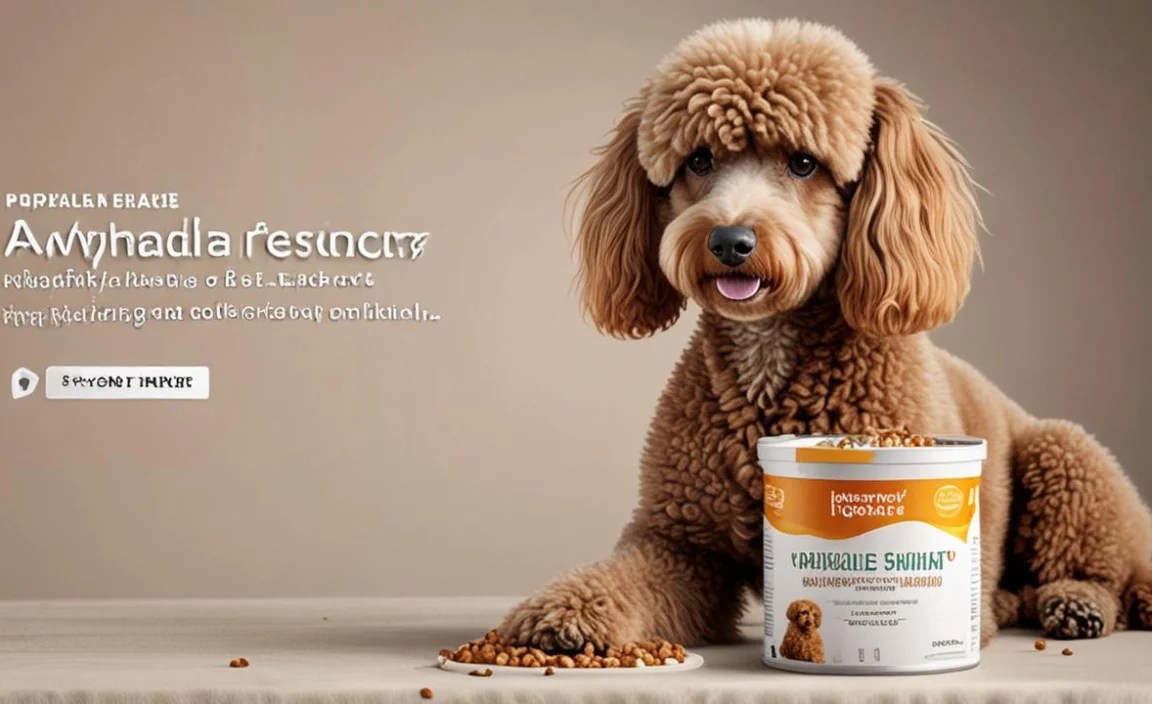
A superior dog food for large breeds for poodles will prioritize several key nutritional components. High-quality protein is essential for muscle development and repair. Look for animal-based protein sources like chicken, lamb, beef, or fish listed as the first ingredient, indicating it’s the primary component. Fat provides energy and supports skin and coat health. Omega-3 and Omega-6 fatty acids are particularly beneficial, contributing to a shiny coat and reducing inflammation, which can be a boon for large breeds prone to joint issues.
Carbohydrates should be present in a digestible form, providing sustained energy. Whole grains like brown rice, barley, or oats are preferable to fillers like corn or soy. Fiber is also important for digestive health, ensuring efficient nutrient absorption and regular bowel movements. Furthermore, essential vitamins and minerals play a critical role in numerous bodily functions, from immune system support to bone strength. Glucosamine and chondroitin are often added to large breed formulas, as these compounds are crucial for maintaining healthy cartilage and joint function, a vital consideration for poodles prone to joint ailments.
Tailoring Nutrition to Life Stages

Just as with humans, a dog’s nutritional requirements change throughout its life. For poodle puppies, the focus is on controlled growth. This means a diet lower in calories and with a precise balance of calcium and phosphorus. As your poodle transitions into adulthood, the food should provide sustained energy and support for an active lifestyle. If your standard poodle is particularly energetic, a formula with a slightly higher protein and fat content might be beneficial. For senior large breed poodles, the focus shifts to supporting joint health, maintaining lean muscle mass, and potentially incorporating ingredients that aid cognitive function. Look for formulas designed for senior dogs that may include lower calorie counts to prevent weight gain and antioxidants to combat cellular aging.
Factors to Consider When Choosing Dog Food

When selecting the dog food for large breeds for poodles, several factors beyond the ingredient list should be taken into account. The kibble size is important; larger kibble pieces encourage slower eating and can help prevent bloat, a serious and potentially life-threatening condition more common in deep-chested large breeds like standard poodles. The guaranteed analysis on the packaging will provide information on the minimum percentages of protein and fat, and the maximum percentages of fiber and moisture.
Consider your poodle’s individual sensitivities or allergies. Some dogs may react to certain proteins or grains. If you notice any digestive upset, skin irritation, or changes in energy levels after switching foods, consult your veterinarian. Observing your poodle’s overall health, including their coat condition, energy levels, and stool consistency, is the best indicator of whether a particular food is working for them.
The Importance of Veterinarian Consultation

Ultimately, the “best” dog food for large breeds for poodles is one that is specifically formulated for their life stage and meets their individual nutritional needs. While general guidelines are helpful, your veterinarian is your most valuable resource. They can assess your poodle’s specific health status, activity level, and any predispositions to breed-specific health issues. Based on this assessment, they can recommend a brand or type of food that is most appropriate. They can also advise on portion sizes, which are crucial for weight management.
Investing in high-quality food is an investment in your poodle’s long-term health and happiness. By understanding their unique nutritional requirements as a large breed, and by carefully selecting a diet that supports their life stage and individual needs, you can ensure your elegant companion enjoys a vibrant and fulfilling life by your side.

Meet Elyse Colburn, the devoted canine companion and storyteller behind the enchanting world of “Tales, Tails, and Adventures Unleashed.” A passionate dog enthusiast with a heart full of paw prints, Elyse Colburn shares heartwarming tales and insightful adventures, celebrating the joy, loyalty, and endless antics that make every dog a true hero. Join Elyse Colburn on this tail-wagging journey, where every post is a love letter to our four-legged friends.