
Dog play behavior for beginners can seem like a complex puzzle, filled with wagging tails, playful growls, and the occasional somersault. But at its core, understanding how dogs interact and express themselves through play is a deeply rewarding experience that can significantly strengthen your bond with your canine companion. This guide will break down the fundamental aspects of dog play, making it approachable and enjoyable for any new dog owner.
When you first bring a dog into your home, observing their interactions with other dogs or even their toys can be fascinating. Play is not just about fun for dogs; it’s a crucial element of their social development, communication, and physical and mental well-being. For those new to the world of canine companionship, deciphering these cues is the first step towards a happier, more harmonious relationship.
The Language of Play: Decoding Canine Communication

Before diving into specific play styles, it’s essential to understand the underlying language of dog play. Dogs use a sophisticated system of body language to signal their intentions and emotions. During play, these signals become even more animated and important for ensuring the interaction remains positive and safe.
The Play Bow: This is perhaps the most universally recognized play signal. A dog lowers their front end while keeping their rear end up, often accompanied by a wagging tail and wide eyes. This is a clear invitation to play, essentially saying, “Let’s have some fun!” It’s a signal that the dog is initiating interaction and wants to engage in a playful manner.
Tail Wags: While often associated with happiness, tail wags can convey a range of emotions. During play, a loose, sweeping wag often indicates excitement and enjoyment. A tail held high and wagging stiffly might suggest arousal or even mild anxiety, so it’s important to consider this in conjunction with other body language cues.
Facial Expressions: Look for relaxed open mouths, “smiling” expressions with their tongues slightly out, and soft, relaxed eyes. Pinned-back ears, a wrinkled brow, or tense jaws can indicate discomfort or that the play is becoming too intense.
Vocalizations: Play growls are a common sound during enthusiastic games. These are typically low-pitched and “throaty,” and importantly, they sound significantly different from a warning growl. Play barks are often short and sharp, signalling excitement and a desire to continue the game.
Common Types of Dog Play Behavior

Understanding the different ways dogs play can help you identify what your dog enjoys and how to engage with them appropriately.
Solitary Play: The Solo Explorer

Many dogs engage in solitary play, especially when they are young or have excess energy to burn. This involves interacting with toys on their own.
Toy Manipulation: This can range from gentle mouthing and carrying to more enthusiastic shaking, tossing, and “killing” of stuffed toys.
Chewing: A natural and essential behavior for dogs, chewing on appropriate toys helps to relieve stress, clean teeth, and prevent boredom.
Self-Grooming: While not strictly “play,” some dogs will lick or groom themselves in a relaxed manner which can be indicative of their overall well-being and comfort.
Social Play: The Interactive Experience
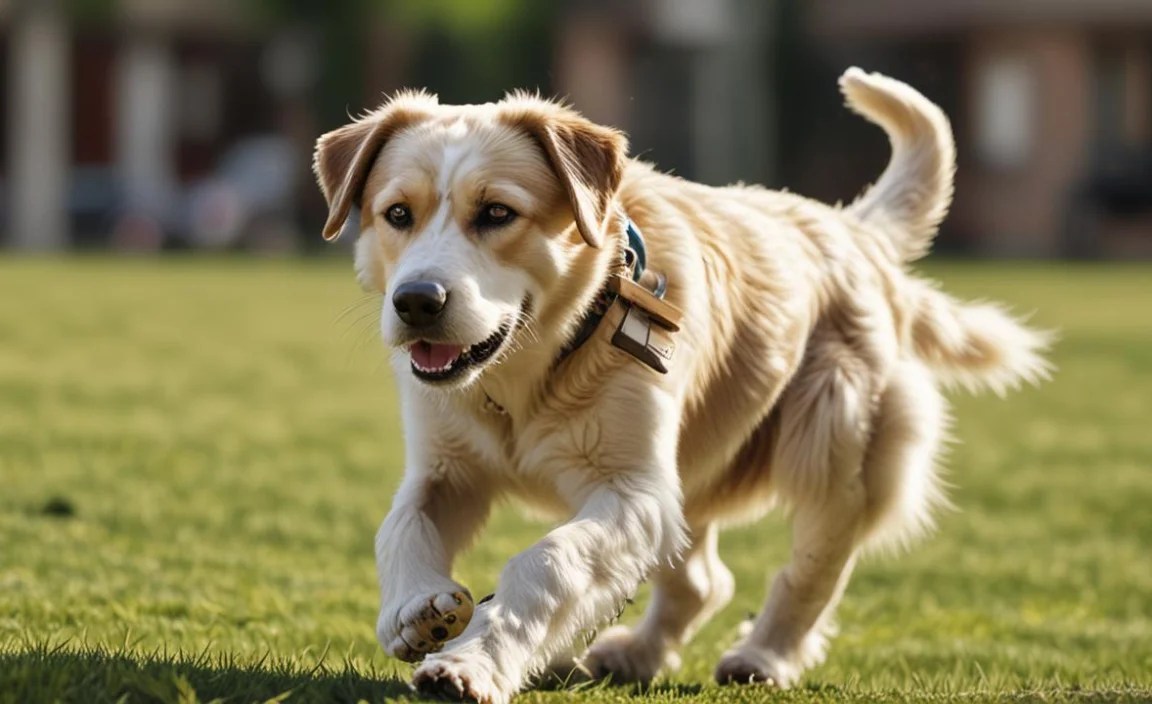
This is where the real magic of dog play behavior for beginners becomes apparent. Social play involves interaction with other dogs or humans.
Chasing and Fetching: This is a classic and highly enjoyable form of play for many dogs. It taps into their natural prey drive and encourages physical exertion. Throwing a ball or a favorite toy and having your dog retrieve it is beneficial for both physical and mental stimulation.
Tug-of-War: A spirited game of tug can be a great way to bond with your dog and build their impulse control. Crucially, for this to be effortless and safe, it’s vital to establish rules. Teach your dog to release the toy on command (“drop it”) and end the game if they become overly possessive or aggressive. Never let a dog win every time, as this can foster dominance.
Wrestling and Tumbling: This often involves playful nipping (without breaking skin), pawing, and mock fighting. It’s a great way for dogs to practice social skills and learn bite inhibition. Observe for signs of stress or discomfort in either dog; if one dog consistently retreats or shows appeasement signals, it’s time to separate them.
* Parallel Play: This is when dogs play alongside each other, perhaps chasing in the same direction or engaging in their own individual play but in close proximity and with a generally relaxed demeanor. It’s a less direct form of interaction but still a sign of social comfort.
Making Play Effortless and Safe: Tips for Beginners
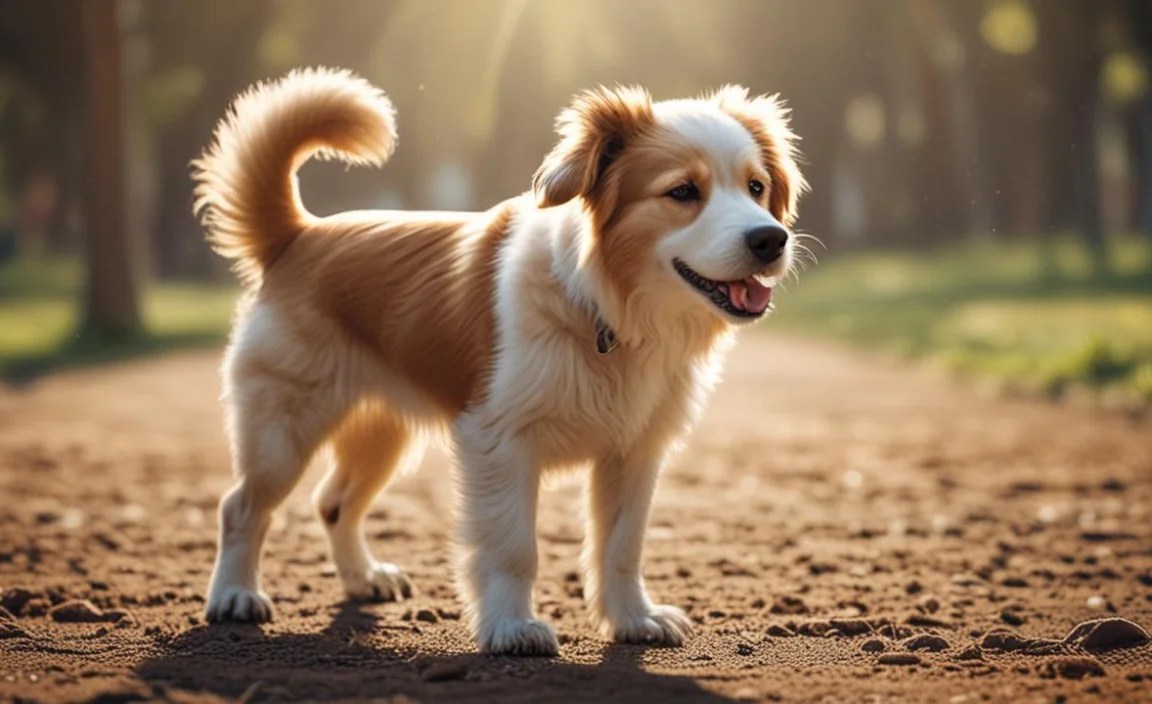
As a beginner, ensuring that play is a positive experience for your dog and others is paramount. Here are some key considerations:
1. Understand Your Dog’s Limits: Not all dogs are natural extroverts. Some are more reserved, while others are incredibly boisterous. Pay attention to your dog’s energy levels and personality. Don’t force them into situations that make them uncomfortable.
2. Choose Appropriate Toys: Select toys that are durable, safe, and suitable for your dog’s size and chewing style. Avoid small toys that can be swallowed or easily destroyed.
3. Supervise All Play: Especially when your dog is playing with other dogs or young children, always supervise closely. Intervene if play becomes too rough or if you notice signs of stress or fear.
4. Teach Basic Commands: Commands like “leave it,” “drop it,” and “come” are invaluable for managing play and ensuring safety.
5. Recognize Overstimulation: If play becomes too intense, dogs can become overstimulated, leading to nipping, jumping, or even aggression. Look for signs like a frantic tail wag, pinned ears, or a hard stare. If you see these, it’s time to calmly interrupt the play and give the dogs a break.
6. Socialization is Key: Early and positive socialization is crucial for developing good dog play behavior for beginners. Expose your puppy to various dogs and situations in a controlled and positive manner.
7. Know When to End a Play Session: Sometimes, even the most enthusiastic play session needs to come to an end. If either dog is showing signs of fatigue, frustration, or losing interest, it’s better to finish on a positive note before issues arise.
By familiarizing yourself with the basics of dog play behavior for beginners, you’ll be well-equipped to foster a playful, happy, and well-adjusted companion. Observing, understanding, and interacting thoughtfully with your dog during play will lead to a stronger bond and countless joyful moments together. Remember, play is a fundamental part of a dog’s life, and as their human, you have the wonderful opportunity to facilitate and share in that joy.

Meet Elyse Colburn, the devoted canine companion and storyteller behind the enchanting world of “Tales, Tails, and Adventures Unleashed.” A passionate dog enthusiast with a heart full of paw prints, Elyse Colburn shares heartwarming tales and insightful adventures, celebrating the joy, loyalty, and endless antics that make every dog a true hero. Join Elyse Colburn on this tail-wagging journey, where every post is a love letter to our four-legged friends.