
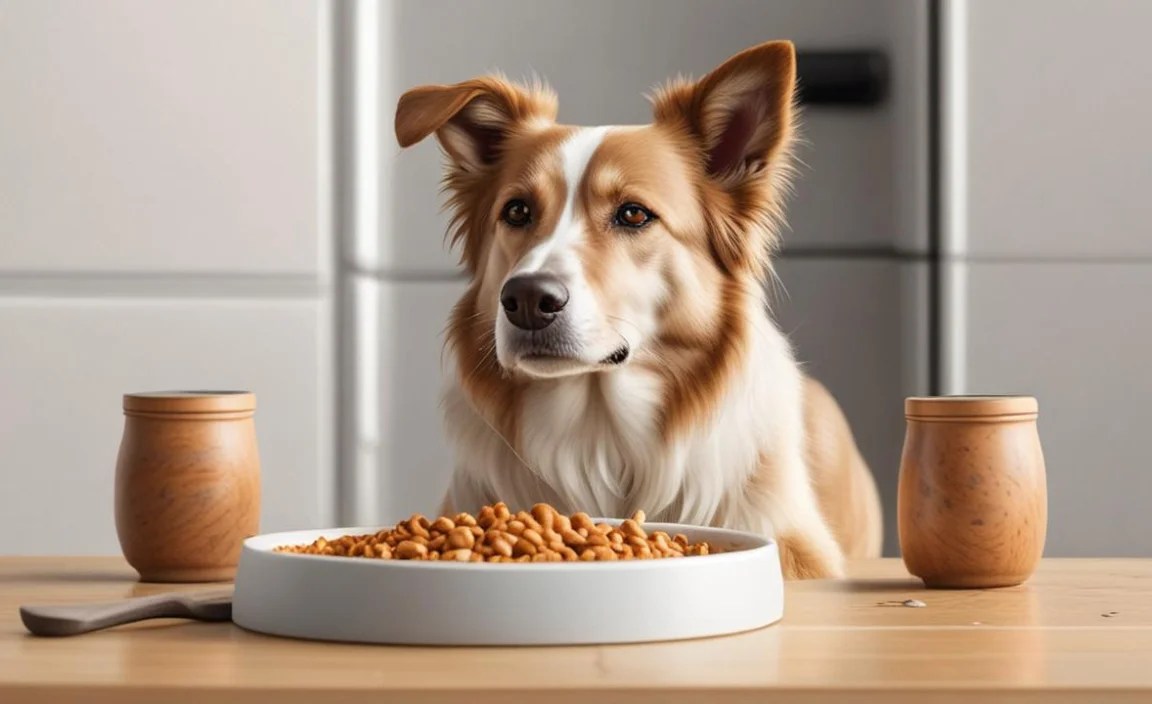
Dog guarding food step by step is a common and often concerning behavior that many dog owners encounter. It manifests when a dog becomes possessive over their food or anything they perceive as valuable, such as toys, beds, or even people. This possessiveness can escalate into growling, snapping, or even biting, creating stressful situations and potentially dangerous encounters. Understanding why dogs guard food and how to address this behavior is crucial for fostering a safe and harmonious relationship with your canine companion.
This guide will walk you through the process of identifying and managing food aggression in your dog, offering practical, easy-to-follow steps to help you create a more relaxed and secure mealtimes for everyone involved.
Understanding the Roots of Resource Guarding

Before diving into the “how-to,” it’s essential to understand why your dog might be guarding their food. Canine resource guarding is an instinctual behavior, deeply rooted in survival. In the wild, animals must protect their food sources to ensure their survival. While our domesticated dogs no longer face the same immediate threats, these ingrained instincts can still surface, particularly if they feel insecure or have had negative past experiences related to food.
Several factors can contribute to a dog exhibiting food guarding behaviors:
Genetics and Breed Predispositions: Some breeds may have a stronger natural inclination towards protectiveness.
Past Experiences: A dog that has had to compete for food, experienced scarcity, or had something valuable taken away may develop guarding tendencies.
Inconsistent Training or Socialization: A lack of proper socialization and clear boundaries can contribute to a dog feeling unsure about their resources.
Fear and Insecurity: A dog that feels anxious or threatened might guard their food as a defense mechanism.
Learned Behavior: If a dog has successfully deterred someone from taking their food in the past by growling or snapping, they learn that this behavior works, reinforcing it.
Recognizing these underlying causes can help you approach the situation with empathy and patience.
Managing the Behavior: A Step-by-Step Approach to Dog Guarding Food

Effectively addressing dog guarding food step by step requires consistency, patience, and a positive reinforcement approach. The goal is not to punish the dog for their behavior but to teach them that they don’t need to guard their food because no one will take it away arbitrarily.
Step 1: Identify the Trigger and Severity
The first step is to observe your dog’s behavior closely during mealtimes or when they have access to anything they might guard.
What triggers the behavior? Is it when you approach their food bowl? When an object is dropped near them? When another pet or person comes too close?
What is their body language? This can range from subtle signs like stiffening, lip licking, or whale eye (showing the whites of their eyes) to more overt cues like low growling, snapping, or a lunging bite.
Severity: Is it mild possessiveness or outright aggression?
Be honest with yourself about the level of threat. If your dog exhibits extremely aggressive behavior, it’s highly recommended to seek professional guidance from a certified professional dog trainer or a veterinary behaviorist.
Step 2: Create a Safe and Controlled Environment
To start working on this behavior, ensure your dog feels safe and secure during mealtimes. This might mean feeding them in a location where they are less likely to be disturbed, such as a crate, a separate room, or their own designated mat. Minimize distractions during feeding times.
Step 3: Desensitization and Counter-Conditioning
This is a crucial part of the process and involves changing your dog’s emotional response from anxiety towards food to a positive association with your presence around their food.
The “Trade Up” Method: This is a highly effective technique. While your dog is eating, calmly approach them with a high-value treat (something they love even more than their regular food – think small pieces of chicken, cheese, or hot dogs).
The Exchange: Toss the high-value treat near their food bowl, away from you. Don’t reach into the bowl or try to take it. The goal is for your dog to associate your approach with receiving something even better.
Repeat and Reinforce: As your dog becomes more comfortable with this, you can gradually decrease the distance you toss the treat, eventually tossing it directly into their bowl. The key is that you are adding something good, not taking away their food.
Avoid “Practicing” the Problem: Do not deliberately try to take your dog’s food away to “teach them a lesson.” This will only increase their anxiety and reinforce guarding behavior.
Step 4: Gradual Introduction of Approaching and Moving Away
Once your dog is comfortable with the “trade up,” you can start working on your presence.
Approach and Retreat: Calmly walk towards your dog while they are eating. If they show any signs of unease, immediately turn around and walk away. The goal is to teach them that your approach doesn’t mean they lose their food, and when they are uncomfortable, you will back off.
Positive Association: If they remain calm, you can then perform the “trade up” with a high-value treat. Gradually increase the time you spend near them before doing the exchange.
Step 5: Incorporate “Leave It” and “Drop It” Commands
These commands are vital for general obedience and can be very useful in managing resource guarding if used correctly.
“Leave It”: Teach your dog to ignore something you don’t want them to have. Start with a low-value treat in your hand, close your fist. When they stop nudging or sniffing, reward them with a higher-value treat from your other hand. Gradually increase the difficulty, placing treats on the floor.
“Drop It”: This teaches your dog to release something they have in their mouth. Practice with toys. Offer them a toy, and when they are mouthing it, present a high-value treat near their nose. When they drop the toy to take the treat, praise them and give them the treat.
These commands should be practiced outside of mealtimes initially, in a low-pressure environment, reinforcing positive compliance.
Step 6: Consistency and Patience are Key
This is not a quick fix. It requires consistent effort, patience, and a deep understanding of your dog’s emotional state. Celebrate small victories and don’t get discouraged by setbacks. If you are struggling, don’t hesitate to seek professional help.
When to Seek Professional Help
While this guide provides a framework for addressing dog guarding food step by step, there are certain situations where professional intervention is crucial. If your dog’s guarding behavior is:
Extreme: Involving lunging, biting with intent to harm, or severe aggression from the outset.
Not Improving: Despite consistent efforts with positive reinforcement methods.
* Affecting Household Dynamics: Causing significant stress or fear for family members or other pets.
A qualified professional can assess your dog’s specific situation, rule out any underlying medical issues, and develop a tailored behavior modification plan.
By understanding the root causes and implementing these gradual, positive reinforcement techniques, you can help your dog feel more secure and create a more peaceful environment for everyone during mealtimes.

Meet Elyse Colburn, the devoted canine companion and storyteller behind the enchanting world of “Tales, Tails, and Adventures Unleashed.” A passionate dog enthusiast with a heart full of paw prints, Elyse Colburn shares heartwarming tales and insightful adventures, celebrating the joy, loyalty, and endless antics that make every dog a true hero. Join Elyse Colburn on this tail-wagging journey, where every post is a love letter to our four-legged friends.