
Dog humping behavior at home can be a perplexing and, for many owners, an embarrassing issue. Whether it’s directed at guests, other pets, or even inanimate objects, understanding the root cause and implementing the right strategies are key to resolving this common canine quirk. It’s important to remember that while it might seem sexual, humping in dogs is often driven by a variety of other factors, including excitement, stress, or a bid for attention.
Understanding the Motivations Behind Humping
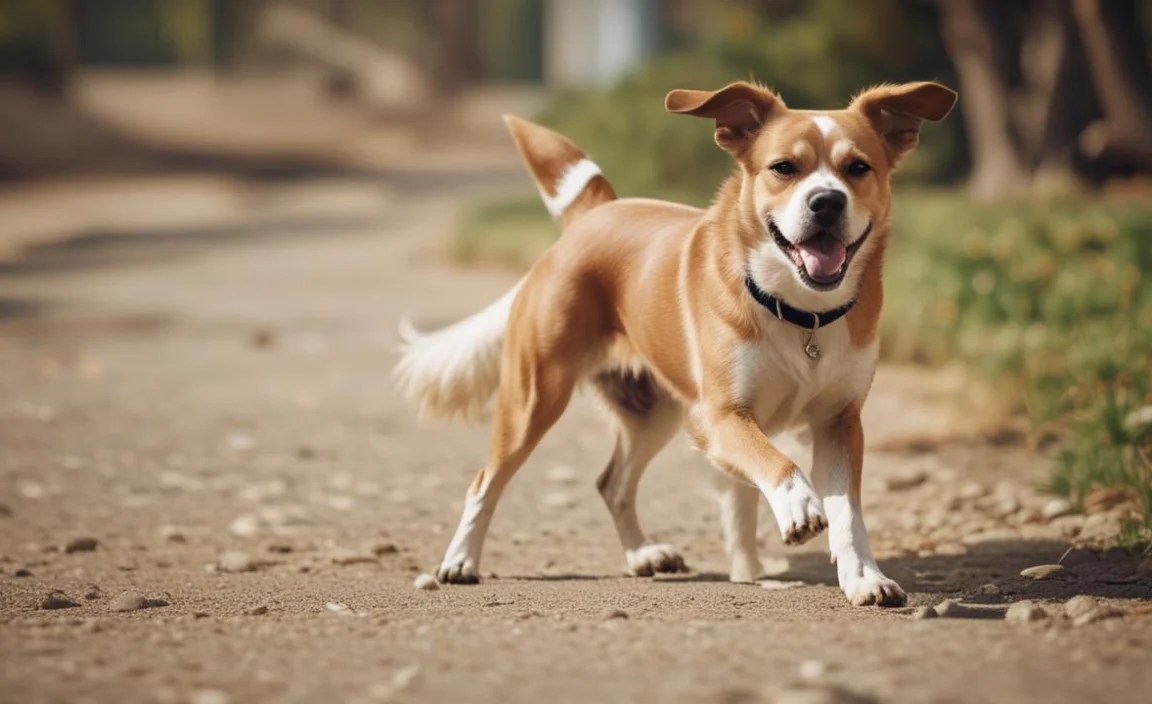
Before we delve into solutions, it’s crucial to understand why dogs hump. It’s a misconception that humping is always a sign of sexual arousal. While it can be, it’s more frequently a displacement behavior. This means it’s an outlet for overwhelming emotions or built-up energy.
Excitement and Play: When dogs are overly excited, whether during play or when greeting someone they love, they might resort to humping as a release of that intense energy. It’s akin to a human jumping up and down when they’re thrilled.
Stress and Anxiety: For some dogs, humping can be a coping mechanism for stress or anxiety. New environments, loud noises, unfamiliar people or animals, or even changes in routine can trigger this behavior. It’s a way for them to self-soothe.
Dominance (Rarely): While once widely believed to be the primary reason, dominance is now understood to be a less common driver of humping in most cases. True dominance displays are more nuanced and usually involve other body language cues.
Attention Seeking: Dogs are smart creatures, and they quickly learn what gets your attention. If humping leads to you engaging with them – even if it’s negative attention, like scolding – they might continue the behavior to get you to interact.
Medical Issues: In some instances, humping can be linked to underlying medical conditions, such as urinary tract infections, allergies, or skin irritations that cause discomfort. So, if the behavior is sudden and persistent, a veterinary check-up is always a good first step.
Hormonal Imbalances: Unspayed females and unneutered males are more prone to humping due to hormonal influences. However, even spayed and neutered dogs can hump for the other reasons listed.
Addressing Dog Humping Behavior at Home Effectively

Once you’ve identified potential triggers for your dog’s humping, you can begin to implement effective strategies. The goal isn’t to punish the dog, but to redirect their behavior and address the underlying cause.
1. Recognize and Redirect the Behavior

The first step is to interrupt the humping without causing your dog undue stress. As soon as you see the unwanted behavior start, calmly intervene.
Gentle Interruption: A simple, firm “down” or “off” command can be effective. You can also gently place your hand on their shoulder to break their concentration.
Immediate Redirection: The moment you interrupt, offer an alternative behavior. This could be asking them to sit, lie down, or giving them a favored toy to chew on. The key is to immediately engage them with something acceptable.
Positive Reinforcement: Reward your dog generously when they engage in the alternative behavior or when they simply choose not to hump in a situation where they typically would. Use treats, praise, or a quick game.
2. Manage Excitement Levels

High-energy situations are prime times for humping. Learning to manage your dog’s excitement is crucial.
Pre-emptive Calmness: Before guests arrive or before a play session, try to calm your dog down. A short walk, a quick training session, or some puzzle toys can help expend energy beforehand.
Controlled Introductions: When introducing your dog to new people or animals, do so gradually and in a controlled environment. Keep them on a leash initially and reward calm behavior.
Limit Overstimulation: If you notice certain situations consistently lead to humping, try to limit your dog’s exposure or manage the environment better. For instance, if they hump guests as they enter, have them wait in another room with a chew toy until the initial excitement has subsided.
3. Address Stress and Anxiety

If stress is the culprit, focus on creating a more secure and relaxed environment.
Identify Stressors: Keep a log of when and where the humping occurs. Note any unusual events or changes in routine that might be contributing to their anxiety.
Create a Safe Space: Ensure your dog has a comfortable, quiet place where they can retreat when feeling overwhelmed. This could be a crate, a dog bed in a quiet corner, or a specific room.
Desensitization and Counter-Conditioning: For specific fears or anxieties (like thunderstorms or vacuum cleaners), work with a professional trainer or veterinary behaviorist on desensitization and counter-conditioning techniques. This involves slowly exposing your dog to the trigger at a low intensity while associating it with positive experiences.
Calming Aids: In some cases, veterinary-approved calming supplements or pheromone diffusers might offer additional support. Always consult your veterinarian before using any calming aids.
4. Increase Physical and Mental Stimulation
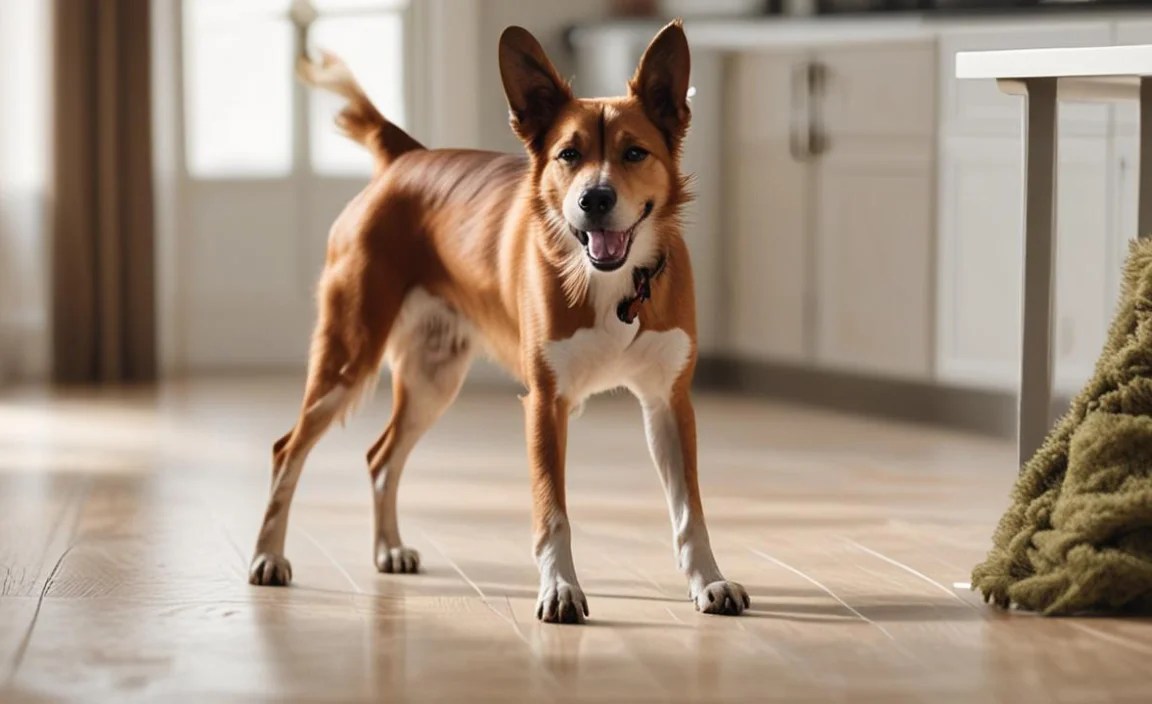
A tired dog is a well-behaved dog. Ensure your companion is getting enough exercise and mental challenges.
Daily Exercise: Aim for at least one to two hours of vigorous exercise daily, depending on your dog’s breed and energy level. This could include walks, runs, games of fetch, or swimming.
Mental Enrichment: Don’t underestimate the power of mental stimulation. Puzzle toys, scent work games, training sessions, and learning new tricks can greatly reduce boredom and pent-up energy.
5. Socialization and Training

Proper socialization from a young age is vital. Well-socialized dogs are generally more confident and less prone to stress-related behaviors. Continued training reinforces good manners and strengthens your bond, making your dog more responsive to your cues.
Obedience Training: Reinforce basic commands like “sit,” “stay,” “down,” and “leave it.” These commands provide a framework for acceptable behavior.
Controlled Socialization: If your dog is struggling with social interactions that lead to humping, consider supervised playdates with calm, well-behaved dogs.
6. Consult Professionals
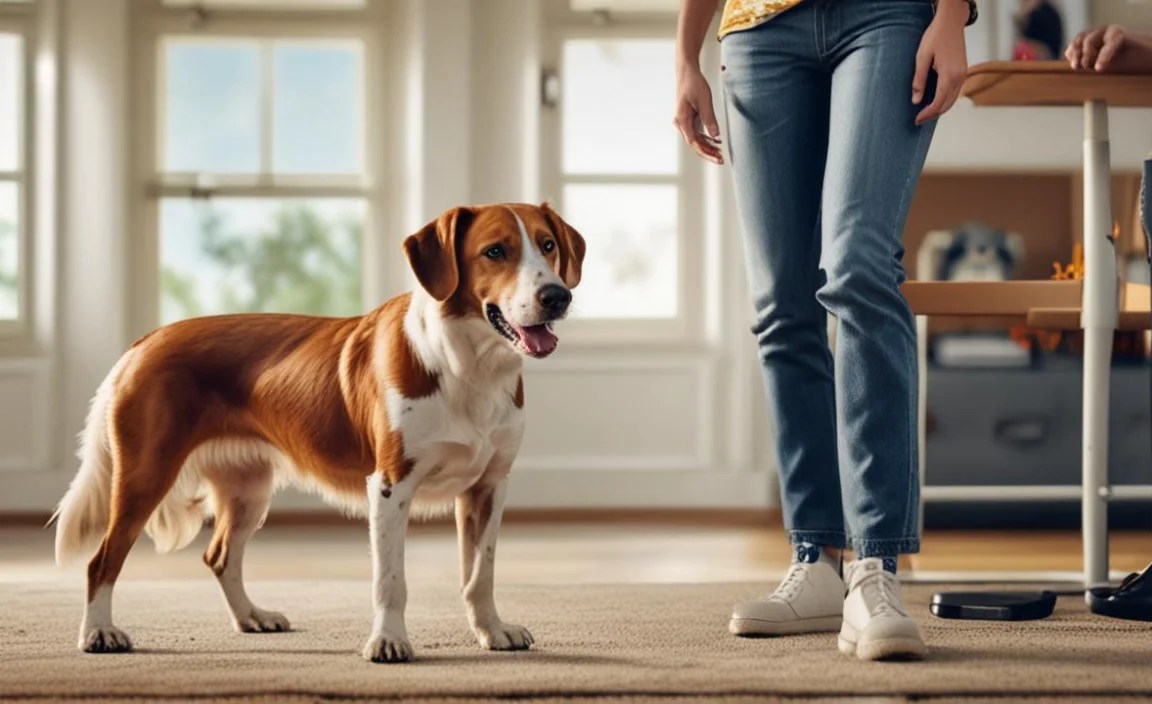
If you’re struggling to get a handle on dog humping behavior at home, don’t hesitate to seek professional help.
Veterinarian: Rule out any underlying medical causes.
Certified Professional Dog Trainer (CPDT) or Veterinary Behaviorist: These professionals can help diagnose the root cause of the humping and develop a personalized behavior modification plan tailored to your dog’s specific needs and your home environment.
By understanding the multifaceted nature of dog humping behavior, applying consistent training strategies, and addressing any underlying issues, you can effectively manage and resolve this common challenge, leading to a more harmonious and enjoyable life at home for both you and your furry friend. Remember that patience, consistency, and a positive approach are your most valuable tools.

Meet Elyse Colburn, the devoted canine companion and storyteller behind the enchanting world of “Tales, Tails, and Adventures Unleashed.” A passionate dog enthusiast with a heart full of paw prints, Elyse Colburn shares heartwarming tales and insightful adventures, celebrating the joy, loyalty, and endless antics that make every dog a true hero. Join Elyse Colburn on this tail-wagging journey, where every post is a love letter to our four-legged friends.