
Hyperactive dog solutions guide is a topic that resonates with countless dog owners worldwide. The boundless energy of our canine companions is often a source of joy, but when it crosses the line into constant, uncontrolled hyperactivity, it can become overwhelming, leading to behavioral issues, damage to property, and even stress for the dog itself. If you find yourself struggling to rein in your dog’s frenetic energy, this guide is designed to equip you with effective strategies and practical tips to foster a calmer, more balanced canine.
Understanding the root cause of hyperactivity is the first crucial step towards finding effective solutions. While some breeds are naturally more energetic than others, excessive hyperactivity can stem from several factors. Boredom and lack of mental and physical stimulation are primary culprits. A dog with pent-up energy will inevitably find ways to release it, often through destructive chewing, excessive barking, or a relentless desire to play that can border on manic. Insufficient exercise is another common driver. A short walk around the block simply won’t cut it for many breeds.
Addressing Behavioral Triggers in Your Hyperactive Dog

Beyond basic needs, underlying behavioral triggers can contribute to a dog’s hyperactive state. Anxiety, fear, or stress can manifest as frantic behavior. A dog who feels insecure or is exposed to triggers like loud noises or unfamiliar environments might exhibit hyperactive coping mechanisms. Similarly, a lack of consistent training and boundaries can lead to a dog that doesn’t understand appropriate behavior and defaults to high-energy outlets. It’s important to observe your dog’s behavior patterns closely to identify potential triggers. Does the hyperactivity intensify in specific situations? Does it occur after a particular event? Pinpointing these can significantly aid in tailoring your approach.
The Importance of Physical Exercise and Mental Enrichment

One of the cornerstones of any hyperactive dog solutions guide is the emphasis on sufficient physical exercise. This isn’t just about letting your dog run around; it’s about providing structured and engaging physical activity. The duration and intensity will vary depending on your dog’s breed, age, and overall health. For high-energy breeds like Border Collies, Huskies, or Australian Shepherds, this might mean long runs, hikes, or vigorous play sessions. For less energetic breeds, a brisk walk and a good play session might suffice.
However, physical exertion alone is often not enough. Mental stimulation is equally, if not more, important for a balanced dog. Puzzle toys that dispense treats, nose work games, and training sessions can tire a dog out mentally and reduce their propensity for destructive or anxious behavior. Learning new tricks, practicing obedience commands, or even engaging in agility training can provide a significant outlet for their cognitive energy. A tired brain is often as effective, if not more so, than a tired body in managing hyperactivity.
Implementing a Structured Routine for Your Dog
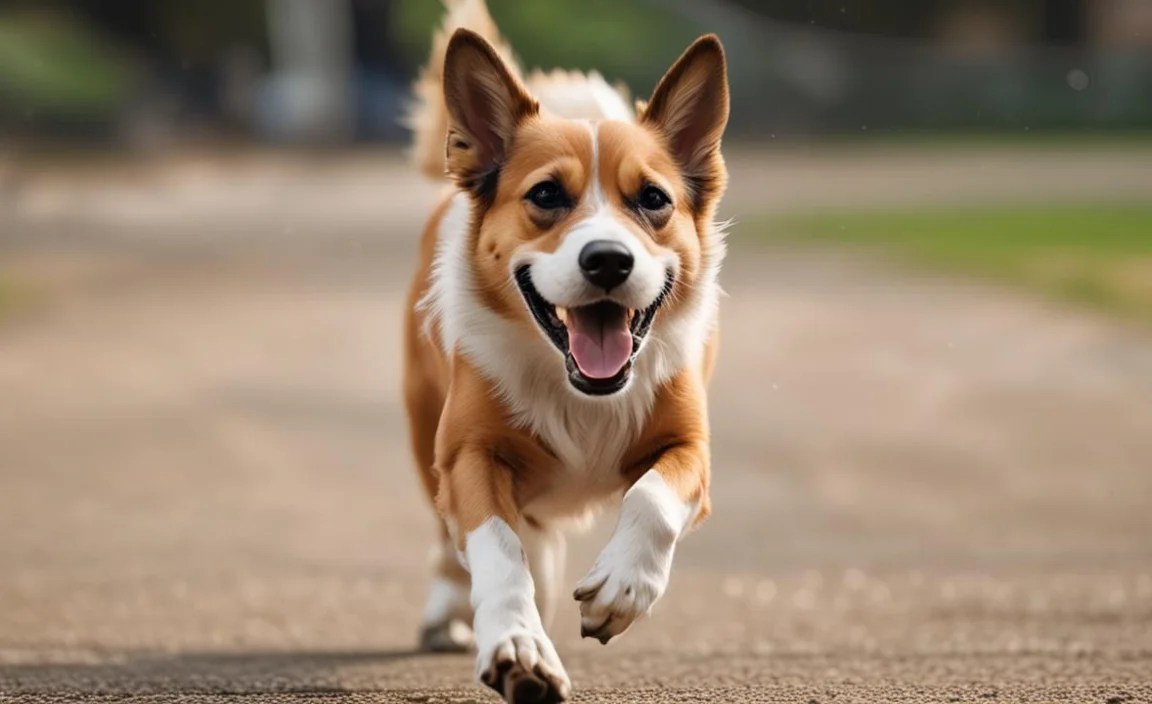
Consistency and routine are paramount when addressing hyperactivity. Dogs thrive on predictability, and a structured daily schedule can help manage their energy levels and expectations. This includes consistent times for feeding, exercise, training, and rest. When your dog knows what to expect throughout the day, it can reduce anxiety and the need for self-soothing through hyperactive behaviors.
Morning Routine: Start the day with a dedicated exercise session. This could be a long walk, a game of fetch, or a run. Follow this with breakfast.
Daytime Activities: During the day, incorporate short bursts of training or play. If you’re away for extended periods, consider a dog walker or doggy daycare to break up the day and provide further stimulation. Leave out puzzle toys to keep them engaged.
Evening Routine: Another exercise session before dinner can help settle them down. After dinner, engage in a calm training session or a relaxing grooming routine.
Training Techniques for a Calmer Dog

Training plays a vital role in managing hyperactive tendencies. Basic obedience commands like “sit,” “stay,” and “down” are essential for teaching impulse control. Introducing commands that require focus and stillness is particularly beneficial.
“Leave It” Command: This is invaluable for redirecting your dog’s attention away from something they’re fixated on, helping them break out of a hyperactive loop.
“Place” or “Go to Mat” Command: Teaching your dog to go to a designated spot and remain there calmly is an excellent way to manage sudden bursts of energy or excitement.
Impulse Control Games: Games like “wait for your food” or “wait to go through the door” help dogs learn patience and self-control.
Positive reinforcement is key. Reward calm behavior with praise, treats, and affection. This encourages your dog to associate calmness with positive outcomes. Avoid punishing hyperactivity, as this can often exacerbate anxiety and lead to further behavioral issues.
When to Seek Professional Help
While many cases of canine hyperactivity can be managed with dedicated ownership and consistent application of these tips, there are instances where professional assistance is necessary. If your dog’s hyperactivity is severe, impacting their well-being, or leading to aggressive tendencies, consulting a certified professional dog trainer or a veterinary behaviorist is highly recommended. They can help rule out any underlying medical conditions, provide a more in-depth assessment of your dog’s behavior, and develop a personalized training plan tailored to your specific situation. Remember, seeking professional guidance is a sign of responsible pet ownership, not a failure.
By understanding the causes, implementing a tailored exercise and enrichment plan, establishing a consistent routine, and employing effective training techniques, you can transform your hyperactive dog into a well-behaved and content companion. The journey requires patience, consistency, and a genuine commitment to your dog’s well-being, but the reward of a calmer, happier dog is immeasurable.

Meet Elyse Colburn, the devoted canine companion and storyteller behind the enchanting world of “Tales, Tails, and Adventures Unleashed.” A passionate dog enthusiast with a heart full of paw prints, Elyse Colburn shares heartwarming tales and insightful adventures, celebrating the joy, loyalty, and endless antics that make every dog a true hero. Join Elyse Colburn on this tail-wagging journey, where every post is a love letter to our four-legged friends.