
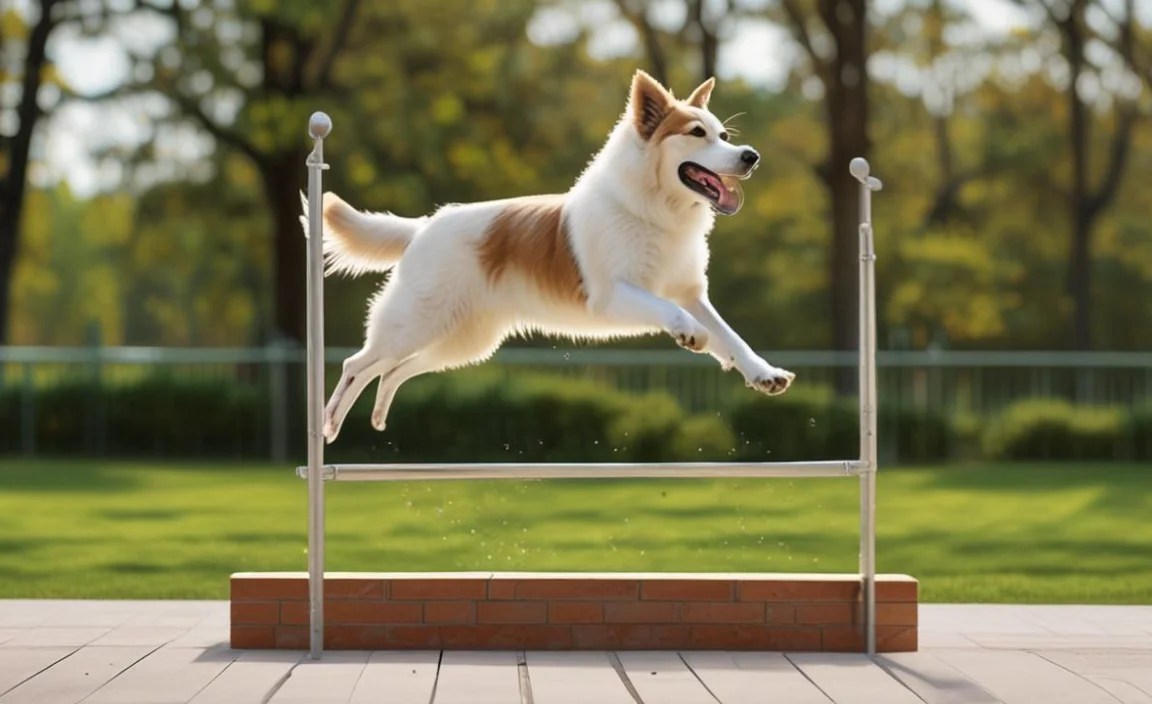
Dog jumping on people fast is a common, yet often frustrating, behavior that many dog owners struggle with. Whether it’s a boisterous puppy or a full-grown Labrador, the exuberant leaps can range from a mild inconvenience to a genuinely problematic issue, especially for children, the elderly, or those with mobility concerns. This enthusiastic greeting, while often born out of excitement and a desire for attention, can lead to knocked-over toddlers, muddy paw prints on clean clothes, and a general sense of chaos. Fortunately, with understanding, patience, and consistent training, this habit can be effectively curbed, leading to a more peaceful and respectful relationship between your dog and the people they meet.
The impulse for dogs to jump is deeply ingrained in their social behavior. Puppies often jump on their mothers to solicit attention, food, or grooming. This behavior is then carried into their interactions with humans. When dogs jump, they are essentially trying to increase their reach to greet people face-to-face, a behavior that mirrors how they might greet other dogs. Unfortunately, for humans, this canine greeting style is often unwelcome and can even be perceived as aggressive or intimidating. The key to stopping this behavior lies in consistently teaching your dog that jumping does not get them the desired outcome – attention. Instead, you need to create a clear association between four paws on the floor and positive reinforcement.
Understanding Why Your Dog is Dog Jumping on People Fast

Before diving into training techniques, it’s crucial to understand the root causes behind your dog’s jumping. Is it pure excitement? A learned behavior reinforced unintentionally? Or perhaps a bid for attention? Often, it’s a combination of these factors. Dogs learn very quickly what behaviors earn them rewards. If every time your dog jumps, you instinctively reach out to pet them, push them down, or even scold them, your dog has still received some form of attention. This form of “accidental reinforcement” tells your dog that jumping is an effective way to get noticed.
Consider the context: Does your dog jump more when guests arrive? After a period of being left alone? Or when they are particularly energetic after exercise? Identifying these triggers can help you anticipate and preempt the jumping behavior. For instance, if your dog jumps most when excited by guests, you can begin training before guests enter the house, or have your guests participate in the training process.
Implementing Strategies to Stop Dog Jumping on People Fast

The core principle of stopping jumping is to withdraw attention when it happens and provide attention when the desired behavior occurs (four paws on the floor). This is often referred to as an “incompatible behavior” approach, meaning the dog cannot jump and remain calm on all fours simultaneously.
1. The “No Attention” Technique:
When it happens: The instant your dog’s paws leave the ground and head towards a person, the person should immediately turn their back, fold their arms, and consciously avoid eye contact. No talking, no touching, no pushing the dog away – complete disengagement.
When it stops: The moment all four paws are back on the ground, the person can turn around and offer calm praise and a gentle pet. If the dog jumps again, the disengagement process repeats.
Consistency is key: Every single person who interacts with your dog needs to be on board with this strategy. Inconsistency will only confuse your dog and prolong the training process.
2. Teaching an Alternative Behavior:
“Sit” for Greeting: Train your dog to sit. Practice this extensively in calm environments first. Once mastered, start incorporating it into greeting scenarios. Ask your dog to sit before anyone approaches. If they remain in a sit, they receive praise and attention. If they break the sit and jump, the “no attention” technique is applied.
“Go to Mat” or “Place”: For dogs that struggle with excitement, teaching them to go to a designated spot (like a dog bed or mat) and stay there can be incredibly effective. This gives them a specific, acceptable behavior to perform when people are present. Reward them for staying on their mat.
3. Preempting the Excitement:
Controlled Greetings: When guests arrive, have your dog on a leash. This allows you to physically manage their jumping. Ask your dog to sit while the guest enters. Reward the sit. Once the initial excitement has died down, you can allow controlled interaction, always reinforcing calm behavior.
* Exercise and Mental Stimulation: A tired dog is often a well-behaved dog. Ensure your dog is getting adequate physical exercise and mental stimulation throughout the day. This can reduce overall energy levels and make them more receptive to training.
Managing the Environment and Expectations
It’s important to manage your dog’s environment to set them up for success. This might mean using baby gates to create space when guests arrive, or keeping your dog on a leash during initial greetings.
Be patient. Changing an ingrained behavior takes time and consistent effort. There will be setbacks. Don’t get discouraged. Celebrate small victories and ensure everyone involved in your dog’s life is consistent with the training approach. For particularly stubborn cases or if you’re struggling to see progress, consider consulting a certified professional dog trainer. They can offer personalized guidance and help you troubleshoot specific challenges.
By understanding the ‘why’ behind dog jumping on people fast and implementing consistent, positive training methods, you can transform these boisterous greetings into polite and respectful interactions, fostering a stronger bond with your canine companion and ensuring more pleasant experiences for everyone.

Meet Elyse Colburn, the devoted canine companion and storyteller behind the enchanting world of “Tales, Tails, and Adventures Unleashed.” A passionate dog enthusiast with a heart full of paw prints, Elyse Colburn shares heartwarming tales and insightful adventures, celebrating the joy, loyalty, and endless antics that make every dog a true hero. Join Elyse Colburn on this tail-wagging journey, where every post is a love letter to our four-legged friends.