
Understanding dog pack mentality tips is essential for building a strong, harmonious relationship with your canine companion. By recognizing and respecting their innate social instincts, you can foster obedience, reduce behavioral issues, and create a more balanced home environment. This guide offers practical secrets to help you become a confident pack leader.
Ever feel like your dog isn’t quite listening, or maybe have a few quirky behaviors that leave you scratching your head? You’re not alone! Many dog owners find themselves wondering why their furry friend acts the way they do. Often, the answer lies in something called “dog pack mentality.” Dogs are social creatures with deep-rooted instincts. Understanding these instincts isn’t about being a harsh disciplinarian; it’s about speaking your dog’s language. We’ll break down these essential secrets, making it simple for you to build a stronger bond and a happier, more well-behaved dog.
Decoding Dog Pack Mentality
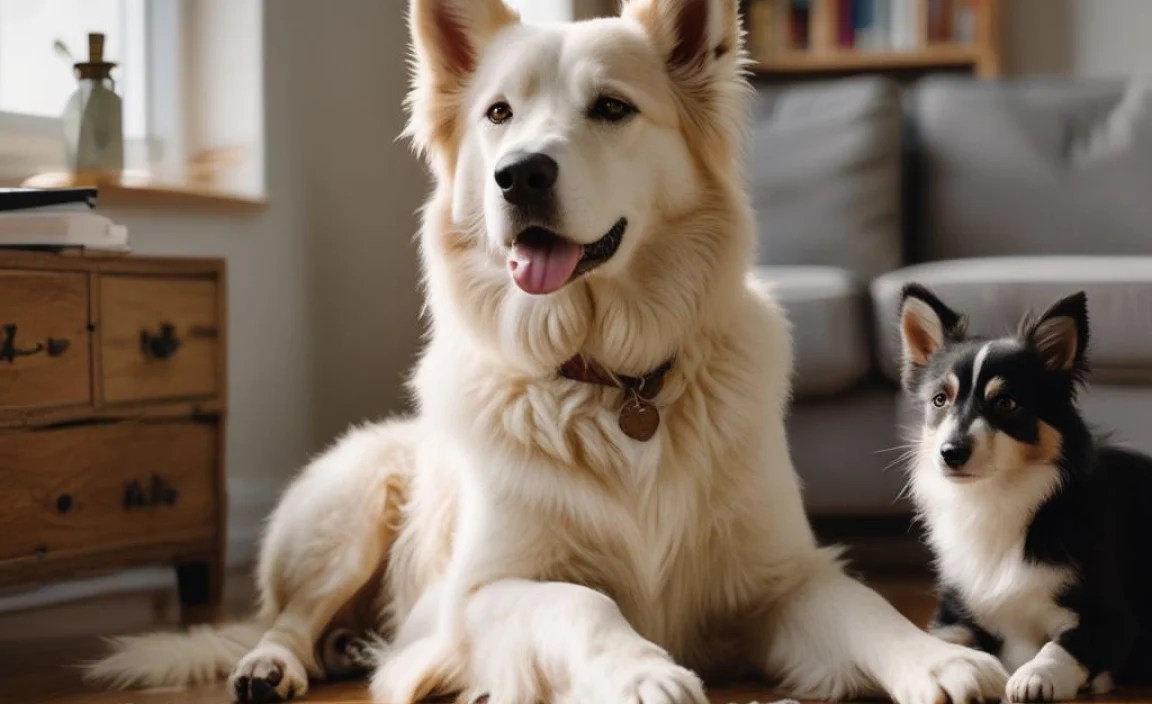
The idea of a “dog pack” often brings to mind images from nature documentaries. While modern domestic dogs aren’t exactly wild wolves, they retain many of the social structures and instincts that guided their ancestors. Think of a pack as a family unit where everyone has a role. In a wolf pack, there’s typically a leader, a clear hierarchy, and established rules for communication and survival. Your home is, in many ways, your dog’s pack. Understanding this helps you see why certain behaviors occur and how you can guide them effectively. It’s less about dominance and more about clear, consistent leadership and communication that your dog understands naturally.
What is a Dog’s “Pack”?
For a domestic dog, their “pack” usually includes you, your family members, and any other pets in the household. They look to you for guidance, security, and resources like food, shelter, and affection. In their eyes, you are the leader, responsible for the well-being of the group. Dogs are wired to understand and work within a social structure. This structure provides them with a sense of order and predictability, which reduces anxiety and confusion. When this structure is missing or unclear, dogs can become unsure of their role, leading to behaviors such as excessive barking, anxiety, or even aggression.
Common Misconceptions vs. Reality
One of the biggest misconceptions is that “pack mentality” means being aggressive or using force. In reality, natural wolf packs operate on cooperation and clear communication, not constant fighting. Leaders earn their position through consistency, fairness, and providing for the pack. For dog owners, this translates to establishing clear rules, being predictable, and earning your dog’s trust. It’s about setting boundaries and rewarding good behavior, creating a stable environment where your dog feels secure and knows what to expect.
Essential Dog Pack Mentality Tips for a Harmonious Home

Applying pack principles to your home environment doesn’t require you to be a drill sergeant! It’s about understanding your dog’s natural instincts and using that knowledge to build a strong, positive relationship. Here are the key secrets to becoming a confident and respected leader for your dog:
1. Establish Clear Leadership and Rules
Dogs thrive when they understand the rules of their environment. As the leader, it’s your responsibility to set and enforce these rules consistently. This doesn’t mean being harsh; it means being clear and predictable.
- Set Boundaries: Decide where your dog is allowed and not allowed (e.g., on furniture, specific rooms).
- Consistent Commands: Use the same words for commands every time. “Sit,” not “Sit down” one day and “Sit pretty” the next.
- Mealtime Manners: Feed your dog after you eat (or at a separate time). This reinforces that you control the resources.
- Doorway Etiquette: Teach your dog to wait for permission to go through doorways. This signifies you lead the way.
2. Be the Source of All Good Things
In a natural pack, the leader often controls access to resources like food and preferred resting spots. You can use this to your advantage to build your dog’s trust and respect. When your dog looks to you for everything they need, they naturally see you as the leader.
- Controlled Feeding: You control when and how your dog eats. Hand-feeding some kibble during training sessions can be very effective.
- Affection on Your Terms: While showering your dog with love is important, initiating affection reinforces your leadership. Wait for your dog to approach you for pets rather than always being the one seeking attention.
- Reward-Based Training: Use treats, praise, and toys as rewards for good behavior. This shows your dog that listening to you brings positive outcomes.
3. Effective Communication: Understanding Dog Body Language
Dogs communicate primarily through body language. Learning to read their cues is crucial for understanding their needs and intentions. This fosters clear communication between you and your dog, preventing misunderstandings.
Key signals to watch for include:
- Tail Wags: A wagging tail doesn’t always mean happy! A stiff, fast wag can indicate excitement or anxiety, while a relaxed, sweeping wag usually means contentment.
- Ear Position: Ears pricked forward often mean interest, while ears pulled back can signal fear or submission.
- Eye Contact: Direct, unblinking stares can be challenging or aggressive. Soft, blinking eyes usually indicate a relaxed dog.
- Body Posture: A stiff body can mean tension, while a loose, wiggly body is a sign of a happy dog. A play bow (front end down, rear end up) is a clear invitation to play.
Learning to interpret these signals helps you respond appropriately, strengthening your bond and preventing potential conflicts. Resources like the American Kennel Club (AKC) offer valuable insights into canine body language.
4. Provide Structure and Routine
Dogs are creatures of habit. A predictable routine helps them feel secure and understand what to expect throughout the day. This structure is a fundamental aspect of pack leadership.
- Consistent Feeding Times: Feed your dog at the same times each day.
- Regular Exercise: Schedule daily walks and playtime.
- Training Sessions: Short, consistent training sessions help reinforce rules and good behavior.
- Potty Breaks: Establish a regular schedule for outdoor potty breaks.
A predictable routine minimizes anxiety and reduces the likelihood of your dog developing unwanted behaviors out of boredom or uncertainty.
5. Socialization: Integrating Your Dog into Your Human Pack
Proper socialization is key to ensuring your dog is comfortable and well-behaved around people and other animals. This involves positive exposure to a variety of sights, sounds, people, and other dogs from a young age.
- Early Exposure: Introduce puppies to new experiences safely and positively between 3 and 16 weeks of age.
- Controlled Interactions: Arrange meetings with calm, well-behaved dogs and people.
- Positive Reinforcement: Reward your dog for calm and appropriate behavior in social situations.
The American Veterinary Medical Association (AVMA) emphasizes that proper socialization is critical for a dog’s overall well-being and helps prevent behavioral issues later in life.
6. Positive Reinforcement Training
Modern dog training methods focus on positive reinforcement. This means rewarding desired behaviors to make them more likely to occur again. This approach is highly effective and aligns with the principles of a cooperative pack structure.
- Reward Good Behavior: Immediately praise, treat, or offer a favorite toy when your dog does something right.
- Ignore Unwanted Behavior (When Appropriate): For minor attention-seeking behaviors, sometimes ignoring them is more effective than punishing.
- Redirect: If your dog is chewing something they shouldn’t, redirect them to an appropriate chew toy.
This builds trust and strengthens your bond, as your dog learns that following your lead leads to good things.
7. The Importance of Exercise and Mental Stimulation
A tired dog is a good dog. Ensuring your dog gets enough physical exercise and mental stimulation is crucial for managing their energy levels and preventing destructive behaviors that can arise from boredom or pent-up energy.
- Physical Exercise: Daily walks, runs, or games of fetch help burn off excess energy.
- Mental Games: Puzzle toys, scent work, and learning new tricks provide mental challenges that keep your dog engaged.
- Structured Play: Incorporate training recall, commands, and impulse control into playtime.
The Centers for Disease Control and Prevention (CDC) also highlights the benefits of regular physical activity for dogs, contributing to their overall health and behavior.
Practical Application: Putting Pack Mentality into Practice

Understanding the theory is one thing, but putting it into practice is where the real magic happens. Here’s how you can weave these pack mentality tips into your daily life with your dog, making training and coexistence smoother and more enjoyable.
Table: Daily Routine Integration
Here’s a simple table showing how to integrate pack principles into a typical day:
| Time | Activity | Pack Mentality Application |
|---|---|---|
| Morning | Wake up, bathroom break | You initiate the outing, indicating leadership. Wait patiently for the dog to finish. |
| Breakfast | Feed your dog | Feed your dog after you have had your own meal or at a set time after you are settled. Ask for a “sit-stay” before placing the bowl down. |
| Mid-morning | Walk or playtime | You lead the walk. Practice loose-leash walking. Incorporate short training drills. |
| Afternoon | Training session / Puzzle toy | Engage your dog’s mind. Reward successes with praise or treats. |
| Evening | Dinner, relaxation | Repeat dinner routine. Request a “down-stay” while you relax. You initiate petting. |
| Bedtime | Final potty break | You lead the way out. End the day with calm reassurance. |
Managing Common Behavioral Challenges
Sometimes, even with the best intentions, dogs exhibit behaviors that are challenging. Understanding pack dynamics can help you approach these issues effectively:
- Jumping Up: When your dog jumps, turn away, step back, or calmly walk away. They learn that jumping gets no attention, but calm behavior does.
- Excessive Barking: Identify the trigger. Ensure their needs for exercise and stimulation are met. You can teach a “quiet” command by rewarding silence after a bark.
- Resource Guarding: This is a serious issue that often requires professional help from a certified trainer or veterinary behaviorist. It’s crucial to address this safely to prevent bites.
- Chewing: Ensure your dog has plenty of appropriate chew toys and gets enough exercise. Redirect chewing to the right items.
Remember, consistency is key. Everyone in the household needs to be on the same page with the rules and training methods.
Beyond the Basics: Advanced Pack Dynamics

While the core principles of leadership, communication, and structure are paramount, there are a few more advanced concepts that can deepen your understanding and strengthen your bond.
Understanding Natural Instincts
Dogs have innate instincts related to hunting, herding, and guarding. Recognizing these can help you channel them positively. For example:
- Prey Drive: For breeds with a high prey drive (like terriers or sighthounds), ensure they have safe outlets for chasing, like fetch or flirt pole games. Never let them chase small animals.
- Herding Instincts: For herding breeds, mental stimulation through tasks like agility or even simple herding games can be very fulfilling.
- Territorial Instincts: Help dogs understand their territory is safe and managed by you. Proper socialization helps prevent excessive alarm barking.
Understanding breed-specific instincts can help you provide a fulfilling life for your dog and prevent common behavioral issues.
The Role of Trust and Respect
True leadership in a dog pack is built on trust and mutual respect, not fear. When your dog trusts you, they are more likely to look to you for guidance and feel secure in your presence. This trust is earned through:
- Reliability: Being predictable and consistent in your actions.
- Fairness: Applying rules consistently to all members of the household.
- Positive Experiences: Creating positive associations with training, new situations, and even routine events.
When your dog respects you, they will naturally defer to your leadership because they believe you will keep them safe and meet their needs.
When to Seek Professional Help
While these tips are incredibly effective for many situations, there are times when professional guidance is necessary. If you are struggling with significant behavioral issues such as persistent aggression, severe separation anxiety, or deep-seated fearfulness, consulting a professional is the best course of action.
Look for:
- Certified Professional Dog Trainers (CPDT-KA or CPDT-KSA): These trainers utilize humane, science-based methods.
- Veterinary Behaviorists (DACVB): These are veterinarians with specialized training in animal behavior and can diagnose medical conditions that may contribute to behavioral issues.
Organizations like the Certification Council for Professional Dog Trainers can help you find qualified professionals in your area.
Frequently Asked Questions
Q1: Does “pack mentality” mean I have to treat my dog like a wild wolf?
A1: Not at all! While dogs are descendants of wolves, their needs as domestic pets are different. It’s about understanding their social instincts and applying gentle, consistent leadership principles, not mimicking wild wolf behavior.
Q2: My dog is always trying to be the center of attention. Is this a sign they think they are the leader?
A2: It could be. Dogs often seek attention when they are unsure of their role or if they have learned that attention-seeking behavior gets them what they want. Consistent rules and being the “provider” of good things can help clarify your leadership role.
Q3: Is it okay for my dog to sleep on the bed with me?
A3: Absolutely! For many modern dog families, sleeping together is a sign of bonding and companionship, not a challenge to leadership. The key is ensuring your dog respects other boundaries and doesn’t demand access to the bed when you don’t want them there.
Q4: How do I establish leadership without being mean or punishing my dog?
A4: Leadership is about clarity, consistency, and earning trust. Focus on positive reinforcement for good behavior, setting clear rules, and being predictable. Your dog will learn to follow your lead because they trust you and know you’ll guide them fairly.
Q5: My puppy seems to ignore me sometimes. Is this normal?
A5: Puppies have short attention spans and are easily distracted. It’s normal! Keep training sessions short, fun, and rewarding. Consistency in your commands and expectations will help them learn to focus on you over time.
Q6: How much exercise does my dog really need?
A6: This varies greatly by breed, age, and individual energy level. A general guideline is at least 30 minutes to 2 hours of physical activity per day, combined with mental stimulation like training or puzzle toys. Always observe your dog for signs of fatigue or restlessness.
Q7: Can I use these tips if I have multiple dogs?
A7: Yes! These principles apply to all dogs. It’s important to establish your role as the pack leader for all dogs. You might find some dogs naturally defer to you more easily than others, but consistency is key for them all.
Conclusion
Understanding and applying dog pack mentality tips is a journey of building a deeper, more meaningful connection with your canine companion. It’s not about asserting dominance, but about fostering clear communication, trust, and respect. By establishing consistent rules, being the source of all good things, and understanding your dog’s natural instincts, you create a secure and harmonious environment. Remember that patience and positive reinforcement are your greatest tools. With dedication and a little bit of insight into your dog’s world, you can transform your relationship into one of mutual understanding and unwavering loyalty. Your dog is looking to you for guidance, and with these essential secrets, you’re well-equipped to provide just that, creating a happier, healthier life together.
.lwrp.link-whisper-related-posts{
margin-top: 40px;
margin-bottom: 30px;
}
.lwrp .lwrp-title{
}.lwrp .lwrp-description{
}
.lwrp .lwrp-list-container{
}
.lwrp .lwrp-list-multi-container{
display: flex;
}
.lwrp .lwrp-list-double{
width: 48%;
}
.lwrp .lwrp-list-triple{
width: 32%;
}
.lwrp .lwrp-list-row-container{
display: flex;
justify-content: space-between;
}
.lwrp .lwrp-list-row-container .lwrp-list-item{
width: calc(25% – 20px);
}
.lwrp .lwrp-list-item:not(.lwrp-no-posts-message-item){
max-width: 150px;
}
.lwrp .lwrp-list-item img{
max-width: 100%;
height: auto;
object-fit: cover;
aspect-ratio: 1 / 1;
}
.lwrp .lwrp-list-item.lwrp-empty-list-item{
background: initial !important;
}
.lwrp .lwrp-list-item .lwrp-list-link .lwrp-list-link-title-text,
.lwrp .lwrp-list-item .lwrp-list-no-posts-message{
}@media screen and (max-width: 480px) {
.lwrp.link-whisper-related-posts{
}
.lwrp .lwrp-title{
}.lwrp .lwrp-description{
}
.lwrp .lwrp-list-multi-container{
flex-direction: column;
}
.lwrp .lwrp-list-multi-container ul.lwrp-list{
margin-top: 0px;
margin-bottom: 0px;
padding-top: 0px;
padding-bottom: 0px;
}
.lwrp .lwrp-list-double,
.lwrp .lwrp-list-triple{
width: 100%;
}
.lwrp .lwrp-list-row-container{
justify-content: initial;
flex-direction: column;
}
.lwrp .lwrp-list-row-container .lwrp-list-item{
width: 100%;
}
.lwrp .lwrp-list-item:not(.lwrp-no-posts-message-item){
max-width: initial;
}
.lwrp .lwrp-list-item .lwrp-list-link .lwrp-list-link-title-text,
.lwrp .lwrp-list-item .lwrp-list-no-posts-message{
};
}
Related Posts





Meet Elyse Colburn, the devoted canine companion and storyteller behind the enchanting world of “Tales, Tails, and Adventures Unleashed.” A passionate dog enthusiast with a heart full of paw prints, Elyse Colburn shares heartwarming tales and insightful adventures, celebrating the joy, loyalty, and endless antics that make every dog a true hero. Join Elyse Colburn on this tail-wagging journey, where every post is a love letter to our four-legged friends.