
The joyous wiggles, the ecstatic tail thumping, and then… the inevitable leap. For many dog owners, their beloved canine’s enthusiastic greeting often involves an unwelcome surge of paws against their clothes. This common dog jumping on people at home behavior, while usually stemming from excitement and affection, can be a significant nuisance. It can be embarrassing when guests arrive, a hazard for young children or the elderly, and frankly, a bit of a frustration when you’re just trying to enjoy a calm moment. Fortunately, with consistent training and a clear understanding of why your dog jumps, you can effectively curb this behavior and cultivate a more polite way for your dog to express their happiness.
The key to tackling any unwanted behavior lies in understanding its root cause. Why does your dog jump? Often, it’s a learned response. When your dog was a puppy, jumping might have been a way to get your attention, to reach for a treat you were holding, or simply to get closer to your face for a friendly sniff or lick. If these actions were met with positive reinforcement, even accidental, your dog learned that jumping works. They aren’t trying to be naughty; they’re simply communicating in a way they’ve found successful. Another significant factor is excitement. A dog’s anticipation of play, a beloved human’s return, or the arrival of a guest can trigger an overwhelming surge of energy that manifests as jumping.
Addressing Dog Jumping on People at Home: The Foundation of Training

Before you can effectively stop the jumping, you need to establish a clear communication channel. This means teaching your dog an alternative, desirable behavior. The most effective strategy is to reward the absence of jumping. When your dog greets you or guests with all four paws on the floor, they should be rewarded handsomely. This reward can be a gentle pat, verbal praise (“good boy/girl!”), a small, high-value treat, or a short play session. The crucial element is that the reward only comes when the dog exhibits the desired behavior – standing calmly.
Consistency is paramount. Every single person who interacts with your dog needs to be on the same page. If one person allows or even encourages jumping, it sends mixed signals and undermines the training efforts. This can be challenging, especially with visitors, so it’s wise to proactively inform guests before they enter your home. A simple explanation like, “Please don’t pet [dog’s name] if they jump. We’re working on keeping all four paws on the ground,” can go a long way.
Implementing Effective Training Techniques
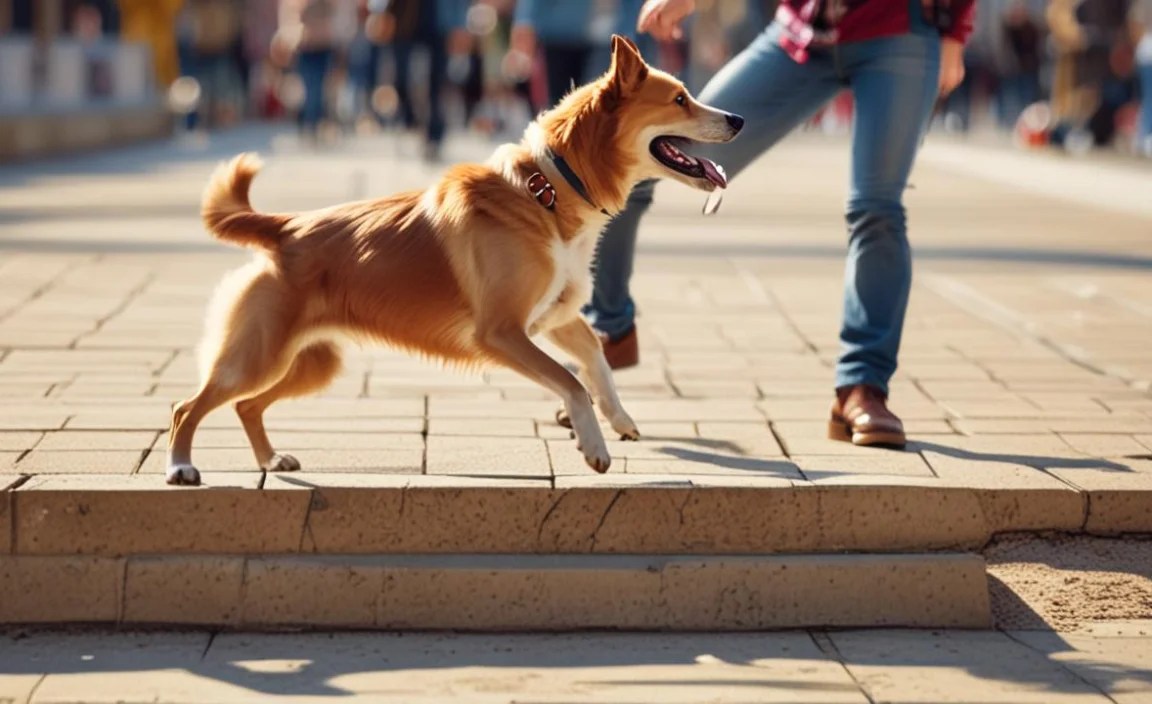
One of the most straightforward yet effective methods is the “turn your back” technique. The moment your dog’s paws leave the ground, you immediately turn your back and disengage. No verbal reprimand, no pushing them down – just complete disengagement. Once they have all four paws back on the floor, you can turn back around and offer a reward. This teaches your dog that jumping makes the fun disappear, while staying grounded makes you reappear and potentially offer good things. This needs to be practiced consistently, every single time the jumping behavior occurs.
Another technique involves teaching a solid “sit” command. A well-trained “sit” is an excellent alternative behavior to jumping. When your dog is excited, ask them to sit. If they comply, reward them generously with praise and a treat. If they jump, disengage as described above. Gradually, you can have them sit for greetings, even when you’re holding something or just stepping through the door.
For scenarios involving guests, consider using a leash to manage your dog’s excitement initially. When a guest arrives, have your dog on a leash. As they greet the guest, encourage them to sit. If they remain seated, they can receive petting. If they start to jump, you can gently manage them with the leash and simply move them back or prevent the jump. As they improve, you can gradually reduce your reliance on the leash.
Managing Excitement: A Key to Stopping Dog Jumping

Often, the core of dog jumping on people at home is an overabundance of excitement. Teaching your dog to manage their arousal levels is a critical component of the training process. This can be achieved through controlled exposure to triggering situations. For instance, if your dog jumps when the doorbell rings, practice ringing the doorbell yourself and rewarding your dog for remaining calm. Start with very short rings and increase the duration and frequency as your dog succeeds.
Similarly, practice greetings. Have family members practice coming and going, rewarding your dog for a calm response. The goal is to desensitize them to these exciting events and teach them that a calm demeanor is more rewarding than frantic leaping. Gradually introduce guests, managing the situation with a leash if necessary, and always rewarding calm behavior.
Remember that dog jumping on people at home is a habit that can be broken. It requires patience, consistency, and a positive approach. By understanding your dog’s motivations, implementing clear training techniques, and focusing on rewarding the desired behavior, you can transform those excited leaps into polite, grounded greetings, making your home a more enjoyable and relaxed environment for everyone, two-legged and four-legged alike. Celebrate the small victories, and don’t get discouraged by occasional setbacks. With dedication, you’ll be able to stop dog jumping on people effortlessly and enjoy your dog’s affection in a more refined way.

Meet Elyse Colburn, the devoted canine companion and storyteller behind the enchanting world of “Tales, Tails, and Adventures Unleashed.” A passionate dog enthusiast with a heart full of paw prints, Elyse Colburn shares heartwarming tales and insightful adventures, celebrating the joy, loyalty, and endless antics that make every dog a true hero. Join Elyse Colburn on this tail-wagging journey, where every post is a love letter to our four-legged friends.