
Stop Dog Leash Pulling Fast: Effortless Control
Tired of the constant tug-of-war with your canine companion on walks? Do you dream of leisurely strolls where your dog walks by your side, rather than dragging you down the street? If you’re nodding along, you’re not alone. Dog leash pulling fast is a common frustration for many pet owners, turning potentially enjoyable outings into a test of strength and patience. The good news is that achieving effortless control is not an impossible dream. With the right understanding, consistent training, and a few effective techniques, you can transform your walk experience for both you and your dog.
The first step to conquering dog leash pulling fast is to understand why it happens. Dogs don’t pull out of spite or a desire to annoy you. They pull for a variety of reasons, often stemming from their natural instincts and excitement about the world around them. For many dogs, the walk itself is the highlight of their day, a chance to explore scents, see other dogs, and experience new sights. When they see something exciting – a squirrel darting across the path, another dog greeting its owner, or even just an interesting smell – their instinct is to lunge forward. This is amplified by the fact that pulling does often get them where they want to go, inadvertently reinforcing the behavior. Puppies, in particular, are still learning the ropes and haven’t yet grasped the concept of loose-leash walking.
Understanding that your dog’s pulling is a learned behavior, or an instinctual response, is crucial. It shifts your perspective from one of frustration to one of guidance. The goal isn’t to punish your dog for pulling, but to teach them an alternative, more desirable behavior: walking politely by your side. This involves clear communication, positive reinforcement, and a consistent approach. Trying to brute-force your dog into submission with a tight grip and constant corrections is rarely effective in the long run and can even damage your bond.
Effective Techniques to Stop Dog Leash Pulling Fast
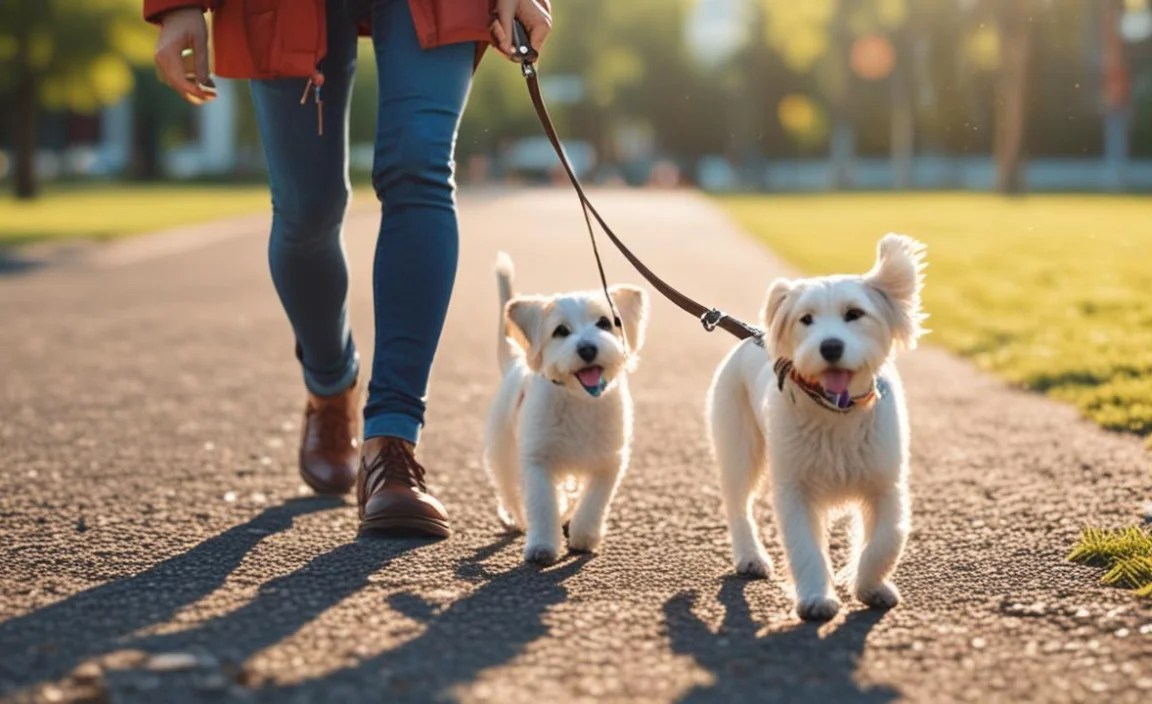
There are several proven methods to address dog leash pulling fast that focus on positive reinforcement and clear communication. One of the most effective is the “stop and go” method. Whenever your dog pulls ahead, simply stop walking. Stand still like a tree. Do not move forward again until the leash slackens. The moment there’s even a slight looseness in the leash, resume walking. This teaches your dog that pulling stops forward progress, while a loose leash allows them to move forward. It might seem slow at first, but consistency is key. Your dog will quickly learn that pulling is counterproductive to getting where they want to go.
Another highly effective strategy involves rewarding loose-leash walking. Keep high-value treats (small, delicious morsels that your dog loves) readily accessible. When your dog is walking nicely beside you with a slack leash, offer praise and a treat. Mark the behavior with a word like “yes!” or a clicker, followed by the reward. The aim is to make walking politely more rewarding than pulling. This also helps redirect your dog’s attention back to you and fosters a positive association with walking by your side.
Choosing the Right Equipment for Effortless Control
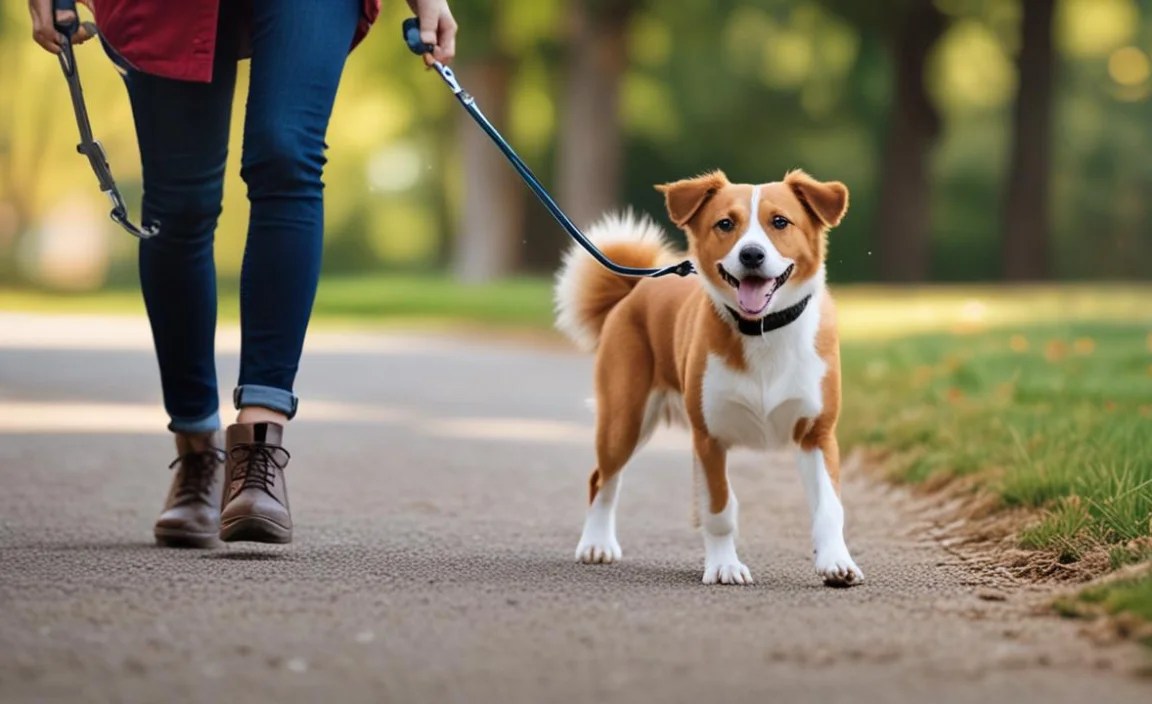
The equipment you use can play a significant role in managing dog leash pulling fast. While a standard collar and leash are the most common, they might not be the most effective for strong pullers. Consider specialized equipment designed to offer better control without causing discomfort or pain to your dog.
Front-clip harnesses are a popular and humane option. These harnesses have a leash attachment point on the dog’s chest, rather than their back. When your dog pulls, the harness gently redirects them back towards you, discouraging forward lunging. They work by leveraging the dog’s mechanics, making it more difficult for them to pull effectively. Look for a well-fitting harness that doesn’t chafe or restrict your dog’s movement.
Head halters, also known as gentle leaders, are another excellent tool for managing strong pullers. These resemble a muzzle but are designed for walking. They fit around your dog’s nose and behind their ears, giving you control over their head. When your dog pulls, the halter gently turns their head back towards you, discouraging the pulling motion. It’s important to introduce head halters gradually and positively, as some dogs may initially feel a bit strange wearing them.
Consistency and Patience: The Pillars of Success

Understanding how to stop dog leash pulling fast is only half the battle; implementing the solutions requires unwavering consistency and patience. Every walk is a training opportunity. If you allow your dog to pull sometimes and actively prevent it at other times, you’ll confuse them, and progress will be slow. Ensure everyone who walks the dog uses the same techniques and rules.
Don’t get discouraged by setbacks. There will be days when your dog seems to regress, perhaps due to a particularly exciting environment or a change in routine. When this happens, simply return to the basics. Stop walking, reward loose leash, and remain calm. Positive reinforcement training is a marathon, not a sprint. Celebrate small victories, and be patient with your furry friend and yourself. Over time, you’ll see a significant improvement, and those leisurely walks you’ve been dreaming of will become a reality.
By understanding the root causes of pulling, employing effective training techniques, choosing appropriate equipment, and committing to consistent practice, you can definitely stop dog leash pulling fast and enjoy the rewarding experience of effortless control on your walks.

Meet Elyse Colburn, the devoted canine companion and storyteller behind the enchanting world of “Tales, Tails, and Adventures Unleashed.” A passionate dog enthusiast with a heart full of paw prints, Elyse Colburn shares heartwarming tales and insightful adventures, celebrating the joy, loyalty, and endless antics that make every dog a true hero. Join Elyse Colburn on this tail-wagging journey, where every post is a love letter to our four-legged friends.