
Embarking on the journey of dog behavioral training step by step can feel like a daunting task, but with the right approach, it can transform into a profoundly rewarding experience for both you and your canine companion. Forget the myths of stubborn dogs or unattainable obedience; the key to fostering a well-behaved and happy dog lies in understanding, patience, and a structured training plan. This guide will break down the process into manageable steps, empowering you to achieve effortless results and cultivate a stronger bond with your furry friend.
The Foundation of Successful Dog Training

Before diving into specific commands or addressing behavioral issues, it’s crucial to establish a strong foundation. This involves understanding your dog’s individual personality, breed predispositions, and learning style. Every dog is unique, and what works for one might not be the perfect fit for another.
Observation is Key: Spend time observing your dog’s body language, reactions to different stimuli, and their preferred ways of interacting. Are they a visual learner, an auditory learner, or do they respond best to tactile cues? Understanding these nuances will inform your training techniques.
Positive Reinforcement: This is the cornerstone of effective and ethical dog training. Positive reinforcement involves rewarding desired behaviors with something your dog values – be it a tasty treat, enthusiastic praise, a favorite toy, or a good belly rub. This encourages your dog to repeat those behaviors. Avoid punishment-based methods, which can create fear, anxiety, and damage your relationship.
Consistency is Paramount: Whether you’re training alone or have multiple family members involved, consistency in commands, rules, and rewards is vital. Mixed signals confuse dogs and hinder progress. Ensure everyone in the household is on the same page.
Short, Frequent Sessions: Dogs, especially puppies, have limited attention spans. Opt for short, engaging training sessions (5-10 minutes) multiple times a day rather than one long, overwhelming session. This keeps them motivated and prevents boredom.
Essential First Steps in Dog Behavioral Training
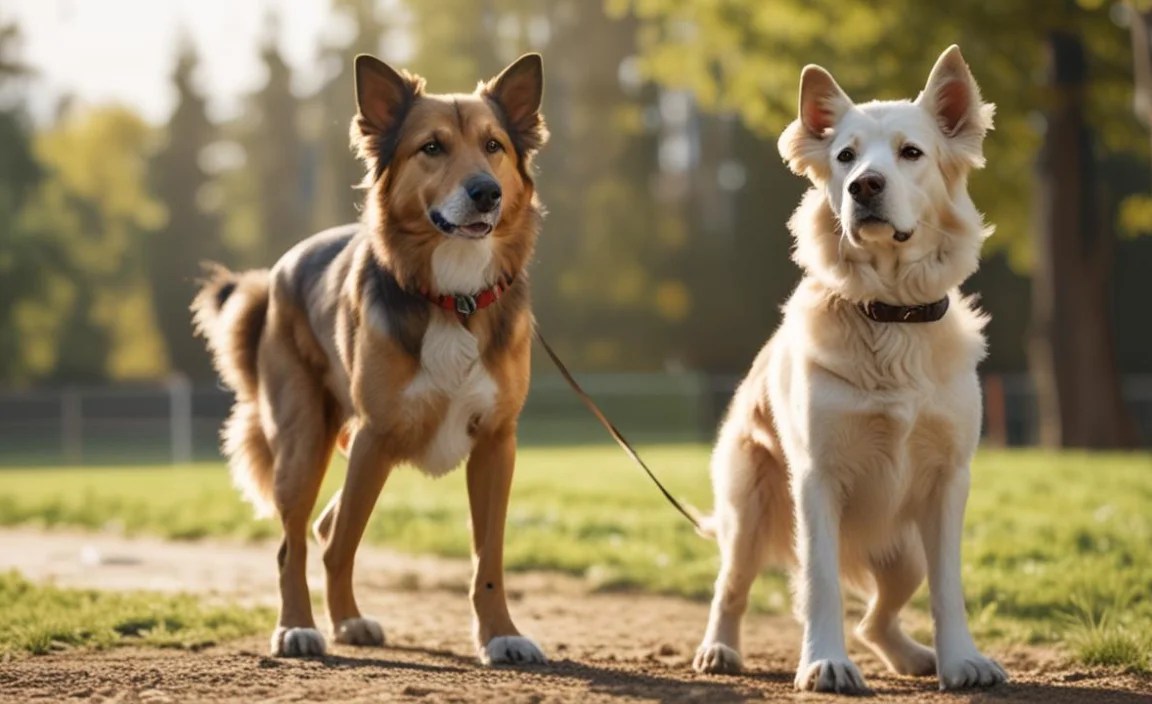
When you’re starting dog behavioral training step by step, some fundamental skills lay the groundwork for everything else. These are not just about obedience; they’re about clear communication and building trust.
House Training: This is often the first and most immediate training goal. Establish a consistent routine for potty breaks, especially after waking up, after meals, and before bedtime. Reward success immediately and generously. Accidents will happen, but clean them up thoroughly without scolding to avoid associating the act with punishment.
Leash Training: Learning to walk calmly on a leash is essential for safe and enjoyable outings. Start indoors by associating the leash with positive experiences. Reward your dog when they walk beside you without pulling. If they pull, simply stop moving until the leash slackens, then resume walking.
Basic Cues: Sit, Stay, Come: These fundamental cues are not only practical but also build your dog’s responsiveness to your voice.
Sit: Hold a treat near your dog’s nose and move it slightly upwards and over their head. As their nose follows the treat, their rear end will naturally lower. Say “Sit” as they are in the motion.
Stay: Once your dog is in a sit or down position, say “Stay,” hold up your hand as a visual cue, and take a small step back. If they remain, return and reward them. Gradually increase the distance and duration.
Come: This is a safety cue. Start in a quiet area, get your dog’s attention by calling their name, then say “Come!” enthusiastically. Reward them generously when they reach you. Never call your dog to punish them; this will create a negative association.
Addressing Common Dog Behavioral Challenges with a Step-by-Step Approach

As you progress, you might encounter specific behavioral issues. The key is to approach these with the same dog behavioral training step by step methodology, focusing on understanding the root cause and implementing positive solutions.
1. Barking Issues

Excessive barking can stem from various reasons: boredom, anxiety, territoriality, or a desire for attention.
Identify the Trigger: Observe when and why your dog barks.
Management: If barking is triggered by external stimuli (like people walking by), you might need to block their view with curtains or ensure they have a quiet space away from windows.
Redirection: When they bark, interrupt the behavior with a distraction (e.g., a toy or a quick cue like “Sit”). Reward them for being quiet.
Teach “Quiet”: When your dog barks, let them bark a few times, then present a highly desirable treat near their nose. The moment they stop barking to sniff, say “Quiet” and give them the treat.
2. Chewing and Destructive Behavior

Chewing is a natural dog behavior, but destructive chewing indicates boredom, anxiety, or teething.
Provide Appropriate Chew Toys: Offer a variety of safe and appealing chew toys. Rotate them to keep things interesting.
Exercise and Mental Stimulation: Ensure your dog is getting enough physical and mental exercise to expend their energy constructively.
Supervision and Redirection: When you can’t supervise, use crates or secure playpens. If you catch them chewing something inappropriate, calmly redirect them to an acceptable chew toy and praise them for chewing that.
3. Jumping Up

Jumping is often a greeting behavior, but it can be overwhelming.
Ignore the Behavior: The moment your dog jumps up, turn your back and ignore them. Only offer attention (pets, praise) when all four paws are on the floor.
* Teach an Alternative Behavior: Train your dog to offer a “Sit” when greeting people. Reward them for sitting politely instead of jumping.
The Power of Patience and Persistence

Remember that dog behavioral training step by step is not about perfection overnight. There will be setbacks, “off” days, and moments of frustration. This is where your patience and persistence are most critical. Celebrate every small victory, remain consistent, and always approach training with a positive and loving attitude. By breaking down the process into manageable steps and focusing on positive reinforcement, you will not only achieve effortless results but also build a deeper, more trusting, and harmonious relationship with your cherished canine companion.

Meet Elyse Colburn, the devoted canine companion and storyteller behind the enchanting world of “Tales, Tails, and Adventures Unleashed.” A passionate dog enthusiast with a heart full of paw prints, Elyse Colburn shares heartwarming tales and insightful adventures, celebrating the joy, loyalty, and endless antics that make every dog a true hero. Join Elyse Colburn on this tail-wagging journey, where every post is a love letter to our four-legged friends.