
Dog leash pulling techniques can transform your daily walks from a tug-of-war into a serene stroll. For many dog owners, an enthusiastic canine companion pulling on the leash is a common, and often frustrating, reality. This behavior isn’t just inconvenient; it can be physically uncomfortable and even dangerous, risking strains for the handler and a lack of control over a reactive dog. Fortunately, with the right approach and consistent practice, you can teach your dog to walk politely by your side, making every outing more enjoyable for both of you.
The first step in addressing leash pulling is understanding why it happens. Dogs often pull for a multitude of reasons, the most common being simple over-excitement. The world is a fascinating place for a dog, filled with enticing smells, sights, and sounds. Your furry friend might be eager to greet another dog, investigate a particularly interesting bush, or simply reach their intended destination faster. In some cases, pulling can also stem from a lack of training, where the dog hasn’t learned appropriate leash manners. They might also be trying to get away from something they perceive as a threat, or perhaps they are simply too large and strong for their owner to manage effectively on a standard leash. Identifying the root cause is crucial for selecting the most effective training strategy.
Understanding the Fundamentals of Dog Leash Pulling Techniques

Before diving into specific methods, let’s establish some fundamental principles that underpin effective dog leash pulling techniques. Consistency is paramount. Every time you go for a walk, the rules and expectations should be the same. This means that even on short trips to the mailbox, you should be reinforcing polite leash walking. Patience is also key. Learning new behaviors takes time, and your dog won’t master these skills overnight. Celebrate small victories, and don’t get discouraged by occasional regressions. Positive reinforcement is the cornerstone of humane and effective dog training. Rewarding your dog for walking nicely – with praise, treats, or a favorite toy – will encourage them to repeat that behavior. Avoid punishment, as it can create fear and anxiety, hindering the training process and potentially damaging your bond with your dog.
Effective Dog Leash Pulling Techniques in Practice
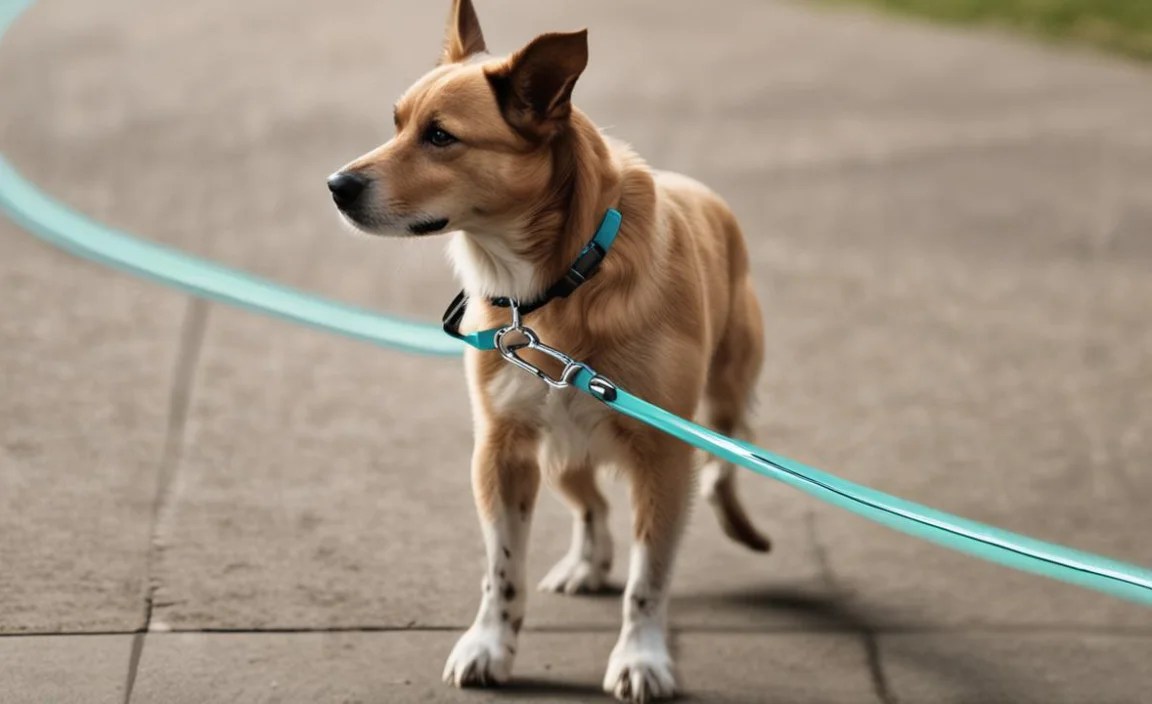
One of the most straightforward and widely used dog leash pulling techniques is the “stop-and-go” method. The moment you feel tension on the leash, simply stop walking. Stand still like a tree, and wait. As soon as the leash slackens, even if it’s just for a second as your dog turns back towards you, resume walking. This teaches your dog that pulling makes them go nowhere, while a loose leash allows them to move forward. It requires vigilance on your part, as you’ll need to be constantly aware of the leash tension.
Another effective approach involves changing direction. When your dog starts to pull ahead, don’t just stop; immediately turn and walk in the opposite direction. Again, the moment the leash loosens, you can turn back towards your original destination. This technique is particularly useful for energetic dogs who might be tempted to stand still when you stop. It reinforces the idea that the “fun” happens when they are walking with you, not dragging you ahead.
Harnesses and Collars: Tools to Aid Your Dog Leash Pulling Techniques

While training is the long-term solution, certain equipment can provide immediate assistance and make the training process smoother. The choice of collar or harness can significantly impact your ability to manage leash pulling.
Front-Clip Harnesses for Better Control
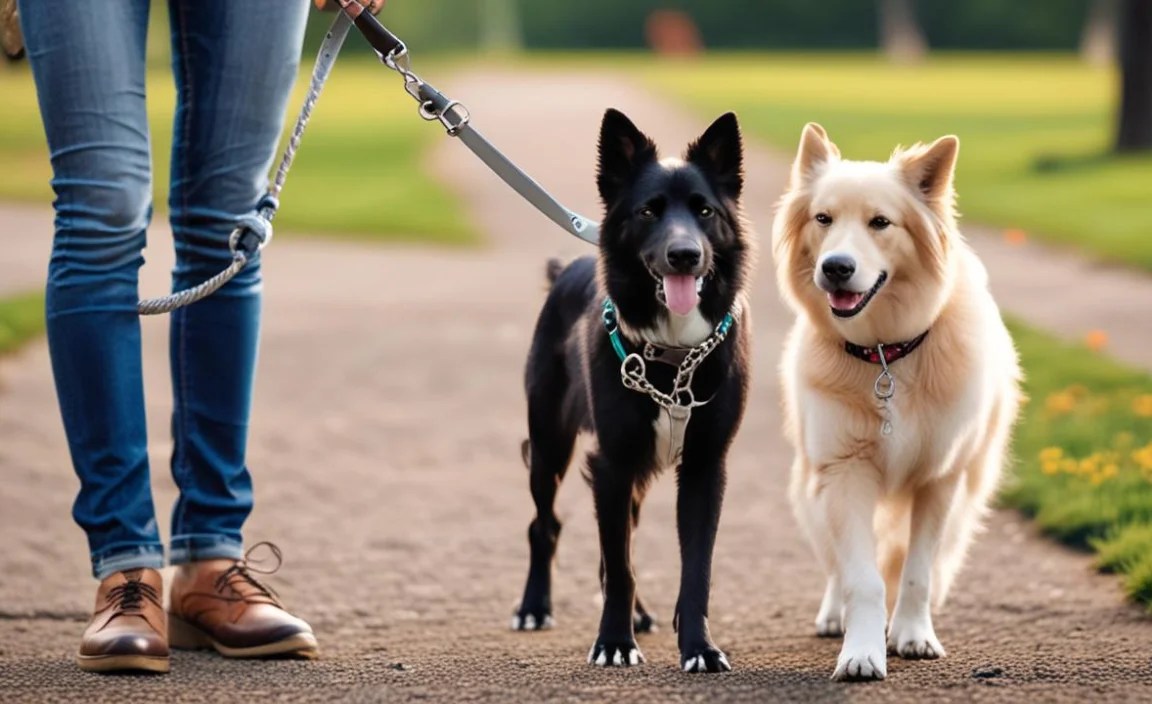
Front-clip harnesses are a popular and effective tool for deterring pulling. These harnesses have a leash attachment point on the dog’s chest, rather than on their back. When your dog pulls forward, the strap across their chest gently redirects them back towards you, discouraging them from forging ahead. This is a humane way to manage pulling without causing discomfort or pain. When used in conjunction with positive reinforcement training, front-clip harnesses can be incredibly beneficial. Remember, the harness is a tool to aid training, not a substitute for it.
Head Halters: A Gentle Alternative
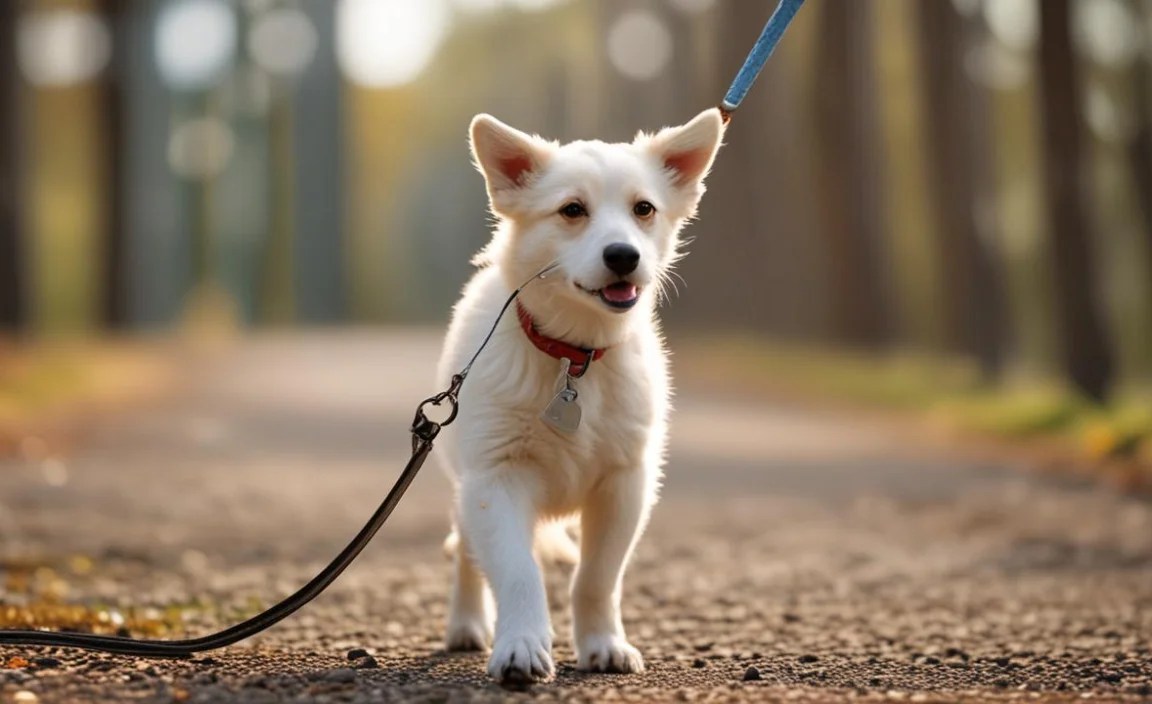
Head halters, sometimes referred to as “gentle leaders,” are another option. These fit over the dog’s muzzle and behind their ears, much like a horse’s halter. The leash attaches under the chin. When the dog pulls, the halter gently turns their head back towards you, making it difficult for them to pull effectively. Many dogs adjust to head halters quickly, and they can be particularly useful for strong, enthusiastic pullers. As with any equipment, proper fitting and introduction to your dog are essential. The goal is to make the experience comfortable and non-aversive.
Advanced Dog Leash Pulling Techniques and Troubleshooting
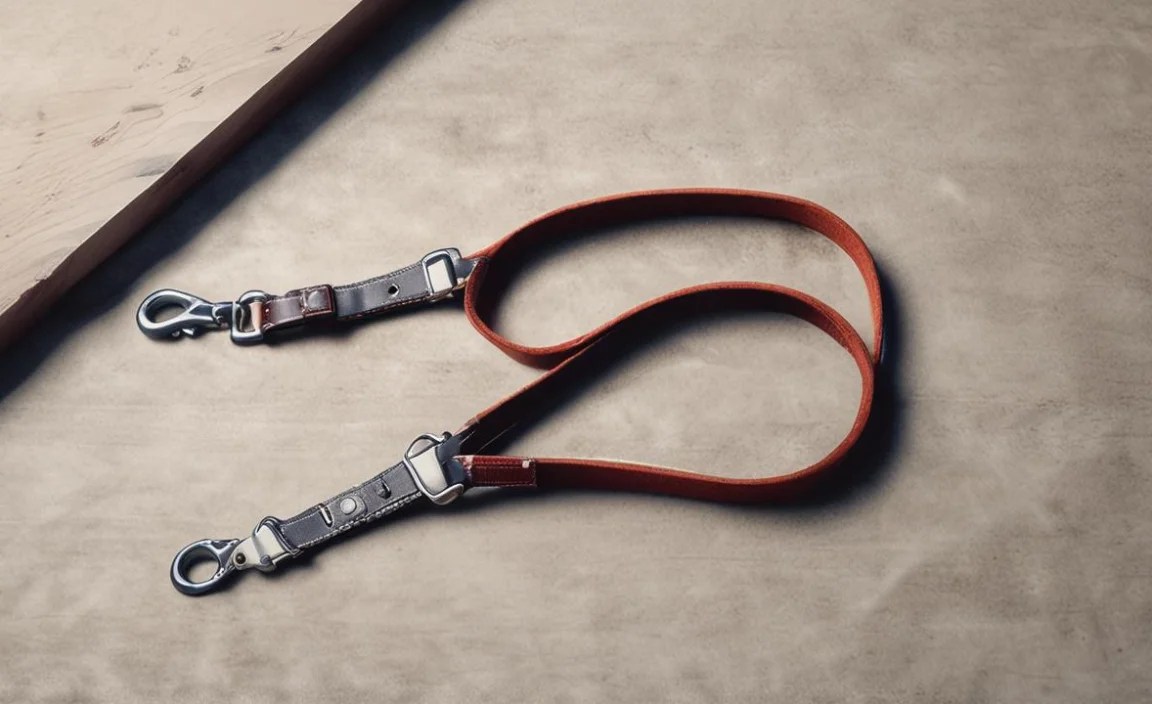
Once your dog begins to grasp the basic concepts, you can introduce more advanced dog leash pulling techniques to refine their behavior. This includes rewarding them for maintaining a loose leash for longer periods, or for walking at your side without any tension for the entire duration of the walk. You can also practice in different environments, starting in a quiet area like your backyard and gradually moving to more stimulating locations like a park or a busy street.
Troubleshooting common issues is part of the process. If your dog is consistently reverting to old habits, revisit the fundamentals. Are you being consistent with your stops and direction changes? Are your rewards motivating enough? Is there an underlying fear or anxiety that needs to be addressed? Sometimes, a dog might pull because they are genuinely scared of something in their environment. In such cases, desensitization and counter-conditioning techniques will be more appropriate than solely focusing on leash manners.
If leash pulling persists despite your best efforts, consider seeking guidance from a certified professional dog trainer. They can assess your dog’s specific behavior, identify any underlying issues, and provide personalized training plans and support. Working with a professional can be invaluable, especially for owners who are struggling or dealing with complex behavioral challenges.
Ultimately, teaching your dog to walk politely on a leash is about building communication and understanding. It’s a journey that requires dedication, patience, and a positive approach. By implementing these dog leash pulling techniques consistently, you’ll not only achieve a more peaceful walk but also strengthen the bond and trust between you and your canine companion. Enjoy the journey towards more harmonious outdoor adventures!

Meet Elyse Colburn, the devoted canine companion and storyteller behind the enchanting world of “Tales, Tails, and Adventures Unleashed.” A passionate dog enthusiast with a heart full of paw prints, Elyse Colburn shares heartwarming tales and insightful adventures, celebrating the joy, loyalty, and endless antics that make every dog a true hero. Join Elyse Colburn on this tail-wagging journey, where every post is a love letter to our four-legged friends.