
Understanding dog pack mentality, and how it influences your canine companion’s behavior, is fundamental to building a strong and harmonious relationship. While our domesticated dogs may not live in wild packs like their ancestors, the ingrained social dynamics of their wolf heritage still play a significant role in how they perceive the world and interact with their environment, including their human families. This comprehensive guide will delve into the core principles of dog pack mentality, demystify common misconceptions, and provide practical strategies for leveraging this understanding to foster a well-behaved and happy dog.
The Origins of Pack Behavior

The concept of a “pack” in dogs isn’t about a rigidly hierarchical, aggressive mob. Instead, it originates from the social structure of wolves, which are highly cooperative animals. These wild canids live in family groups, working together to hunt, raise young, and protect their territory. Within these groups, there are established roles and communication patterns, though the idea of a single, dominant “alpha” in every interaction has been largely debunked by modern scientific observation. Current research suggests a more fluid, relationship-based approach to social order, particularly among established wolf families.
For our domestic dogs, this translates into an innate desire for social connection and a tendency to look to their human families for guidance and leadership. They naturally seek out social belonging, and their “pack” often becomes the humans they live with, along with any other pets in the household. Recognizing that your dog views your family as their pack is the first step in understanding their motivations and behaviors.
Key Components of Dog Pack Mentality

Several key concepts help us understand the nuances of dog pack behavior:
Social Structure and Belonging: Dogs are inherently social creatures. They thrive on interaction and feel secure when they are part of a cohesive group. This drive for belonging influences their desire to please, their susceptibility to training, and their reactions to being left alone. A lonely dog is often a stressed or destructive dog.
Communication and Body Language: Pack animals rely heavily on non-verbal cues to communicate their intentions, emotions, and status. This includes a complex array of vocalizations, facial expressions, tail wags (and their varied meanings!), ear positions, and body postures. Learning to “read” your dog’s body language is crucial for understanding what they are trying to tell you and for responding appropriately.
Leadership and Guidance: While not always about dominance, there’s a natural inclination for dogs to look for leadership within their social group. This leadership provides direction, security, and predictability. In a human-dog pack, this leadership role falls to you. Providing consistent rules, boundaries, and training demonstrates that you are a reliable and capable leader, which reduces anxiety for your dog. They don’t want to have to make all the decisions; they want to feel safe.
Cooperation and Shared Goals: Wolves hunt and survive through cooperation. Dogs, even in their pet form, often exhibit a desire to work with their humans. This can manifest as participating in agility competitions, learning complex tricks, or simply following commands on a walk. Engaging your dog in shared activities that have a clear objective can strengthen your bond and reinforce your leadership.
Dispelling Myths: The “Alpha” Misconception
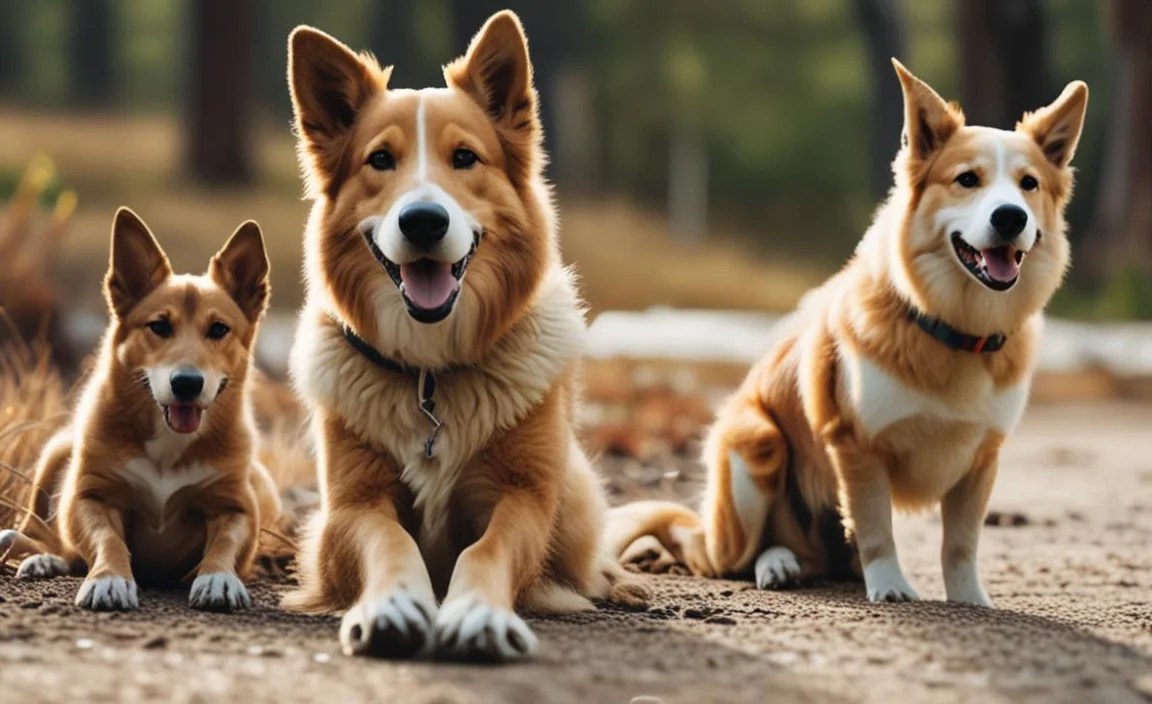
The popular notion of an “alpha” dog who must be challenged and dominated is largely outdated and can lead to ineffective or even harmful training methods. While social hierarchies exist, they are more about established relationships and the ability to resource provision than brute force. Forcing or showing aggression towards your dog to assert dominance is counterproductive. It erodes trust, increases fear and anxiety, and can lead to reactivity and aggression in return. A true leader in a dog’s eyes inspires confidence, provides clear guidance, and enforces boundaries with consistency and fairness, not intimidation. This dog pack mentality guide emphasizes positive reinforcement and building a partnership.
Practical Applications of Understanding Dog Pack Mentality

Knowing how your dog’s pack instincts function allows you to implement effective training and management strategies:
Consistent Rules and Boundaries: Establish clear rules for your dog (e.g., no jumping on furniture, specific feeding times, designated potty areas) and enforce them consistently. This predictability helps your dog understand their place in the pack and reduces anxiety.
Positive Reinforcement Training: Reward desired behaviors. This communicates to your dog that following your cues leads to positive outcomes, strengthening their desire to cooperate and please you. This is the most effective way to work with their natural inclination to please their leader.
Meeting Social Needs: Ensure your dog gets enough social interaction, whether it’s with you, other family members, or well-matched canine companions. Supervised playdates and dog parks (with careful consideration of your dog’s temperament) can be beneficial.
Structured Exercise and Mental Stimulation: A tired dog is a well-behaved dog. Regular physical activity and mental challenges, such as puzzle toys or training sessions, help satisfy their inherent drive to work and explore. This can also help them burn off excess energy that might otherwise manifest as destructive behavior due to boredom or frustration.
* Calm and Confident Leadership: Your demeanor significantly impacts your dog. Approach interactions with a calm, confident, and consistent attitude. Avoid over-excitement or frustration, as dogs are highly perceptive of our emotional states.
The Evolving Pack: Your Human Family
Your human family is your dog’s primary social group. How you interact with each other, establish routines, and manage conflicts all contribute to your dog’s perception of the pack dynamic. By understanding dog pack mentality, you can foster a secure, loving, and well-balanced environment where your dog feels like an integral and valued member. This understanding is the cornerstone of a truly rewarding and responsible pet ownership experience. It allows you to move beyond guesswork and to proactively build a relationship based on mutual respect and clear communication.

Meet Elyse Colburn, the devoted canine companion and storyteller behind the enchanting world of “Tales, Tails, and Adventures Unleashed.” A passionate dog enthusiast with a heart full of paw prints, Elyse Colburn shares heartwarming tales and insightful adventures, celebrating the joy, loyalty, and endless antics that make every dog a true hero. Join Elyse Colburn on this tail-wagging journey, where every post is a love letter to our four-legged friends.