
Dog leash pulling training is a common challenge faced by many dog owners. That joyous bounding ahead, the enthusiastic exploration – it’s all part of a dog’s natural inclination. However, when it translates to a constant tug-of-war on walks, it can quickly turn a pleasant outing into a frustrating experience for both you and your canine companion. The good news is that with the right approach, patience, and consistent reinforcement, you can transform those walks into a harmonious stroll.
Understanding Why Dogs Pull
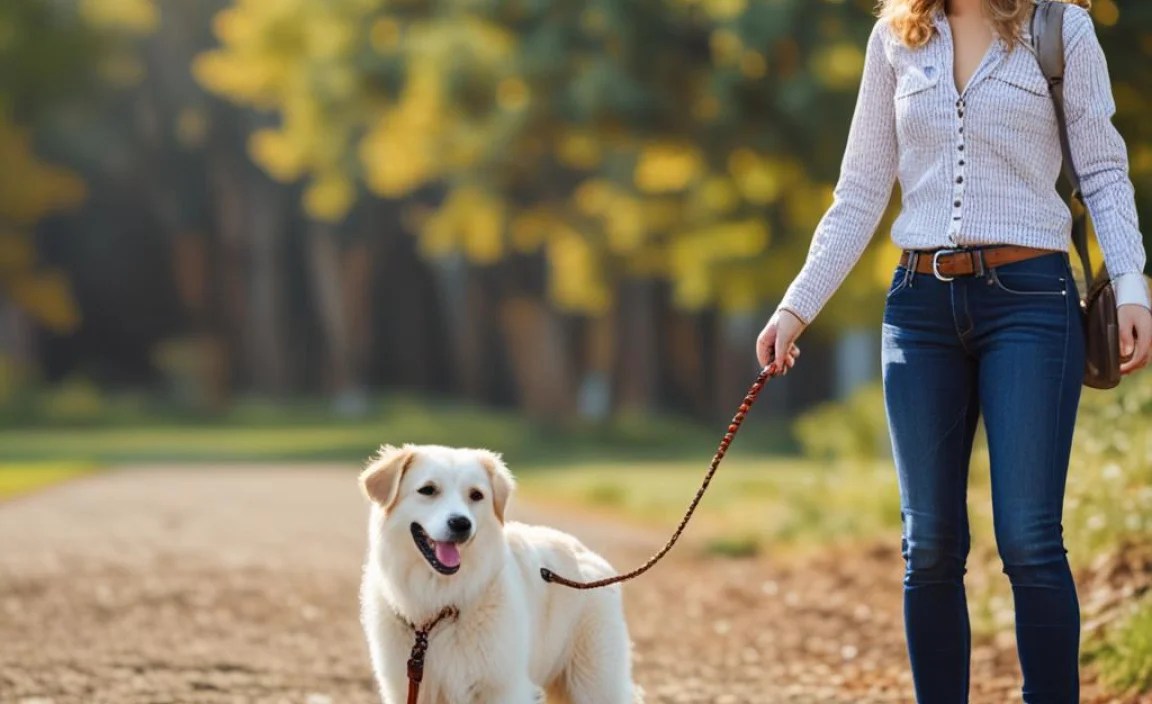
Before diving into training techniques, it’s crucial to understand the root causes of leash pulling. Dogs pull for several reasons, and recognizing these motivations can significantly impact your training strategy.
Excitement and Exploration: Dogs are naturally curious creatures. New sights, smells, and sounds on a walk can be incredibly stimulating, and they want to get to them as quickly as possible. Their instinct is to forge ahead and investigate everything.
Lack of Training: If a dog has never been properly taught to walk on a loose leash, pulling is simply what they’ve learned works to get them where they want to go. They might not understand that it’s not the desired behavior.
Breed Predisposition: Certain breeds were historically bred for tasks that involved pulling, such as sledding or hunting. While domestication has softened these instincts, a residual drive to pull can still be present.
Reinforcement: Unfortunately, unintentionally, we often reinforce pulling. When a dog pulls and we follow them, effectively moving forward, we are inadvertently teaching them that pulling gets them closer to their desired destination.
Anxiety or Fear: In some cases, a dog might pull out of anxiety or fear, trying to reach a perceived safe zone or simply wanting to escape a situation they find unsettling.
Essential Tools for Successful Dog Leash Pulling Training

While your patience and consistency are your most important tools, a few physical aids can also make dog leash pulling training more effective.
Harnesses: Front-clip harnesses are a popular choice. When the dog pulls, the leash attachment point on their chest gently redirects them back towards you, discouraging forward momentum. This makes loose-leash walking easier and is often more comfortable for the dog than a head halter, especially for beginners. Back-clip harnesses, while comfortable, can sometimes encourage pulling as they leverage the dog’s chest to pull.
Head Halters (Gentle Leaders): These fit over a dog’s muzzle and behind their ears. Similar to a horse’s bridle, they offer excellent control by directing the dog’s head. When the dog pulls, their head is gently turned back towards you. It’s important to introduce head halters gradually and positively to avoid any fear or discomfort for the dog.
Leashes: A standard 4-6 foot leash is ideal. Avoid retractable leashes, as they teach dogs that pulling creates tension and extends their range, undermining loose-leash training. They also offer less control in emergencies.
High-Value Treats: Small, delicious treats that your dog absolutely loves are essential for positive reinforcement. These act as powerful motivators during training.
Implementing Effective Dog Leash Pulling Training Techniques
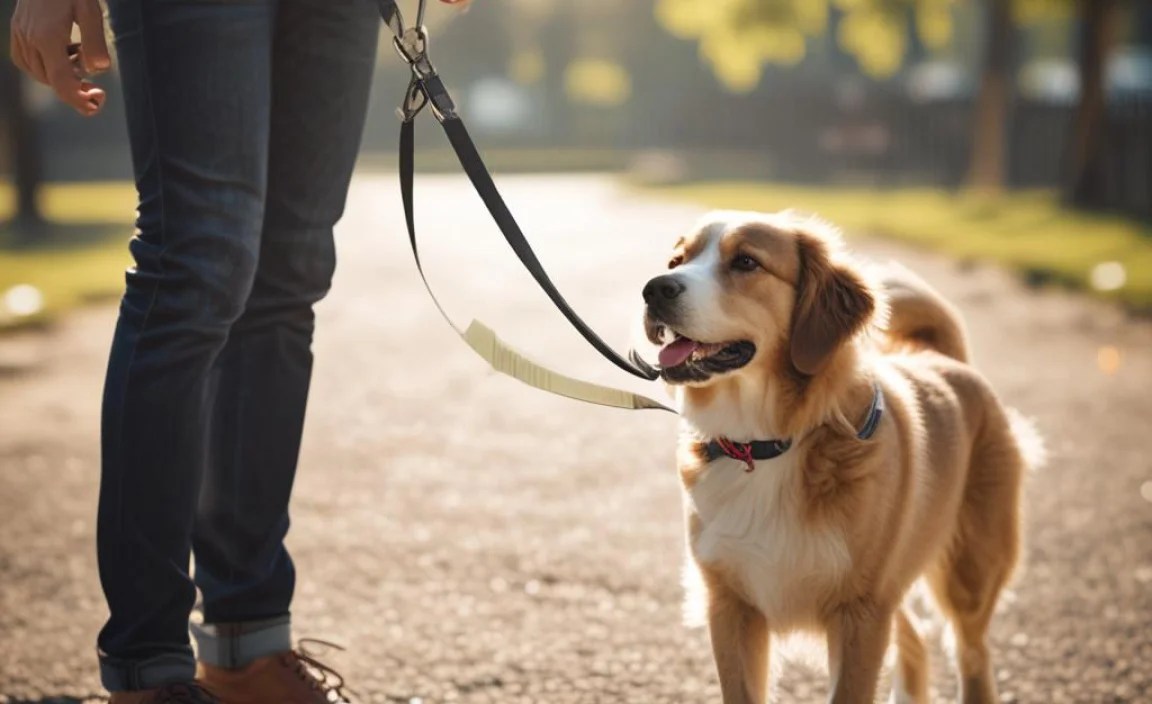
The core of successful dog leash pulling training lies in positive reinforcement and consistency. The goal is to teach your dog that a loose leash is rewarding, while a tight leash means stopping or redirecting.
The “Stop-and-Go” Method
This is one of the most fundamental and effective techniques.
1. Start Walking: Begin your walk as usual.
2. Leash Tightens: The moment you feel tension on the leash – signifying your dog is pulling ahead – stop walking immediately. Do not move forward.
3. Wait for Slack: Stand still until your dog creates slack in the leash. This might involve them looking back at you, taking a step back, or simply repositioning themselves.
4. Resume Walking: As soon as the leash slackens, immediately start walking again.
5. Reward Loose Leash: When your dog is walking beside you on a loose leash, offer them praise and a high-value treat. The goal is to make walking with a relaxed leash more rewarding than pulling.
This method essentially teaches your dog that pulling stops the fun (movement), while a loose leash keeps the walk going and earns rewards. Be prepared for short walks initially as your dog learns.
The “Redirection” Technique
This method is great for when your dog starts to get ahead.
1. Leash Tightens: As soon as you feel tension, instead of just stopping, gently pivot and walk in the opposite direction or at a 90-degree angle to your dog’s intended path.
2. Encourage Them: As you change direction, use a cheerful tone to encourage your dog to follow you.
3. Reward When They Catch Up: When they catch up and are walking beside you on a loose leash, praise and reward them.
This redirects their attention back to you and reinforces the idea that your presence and direction are what lead to positive experiences.
Reinforcing the “Heel” Position (Optional but Beneficial)
While not strictly necessary for just stopping pulling, teaching a formal “heel” command can be a powerful tool. The heel position is typically with the dog’s shoulder aligned with your leg.
Luring: Hold a treat near your dog’s nose and lure them into the heel position beside you.
Rewarding: As they move into position, say your command word (e.g., “Heel”) and give them the treat and praise.
Gradual Increase: Gradually increase the duration they stay in the heel position before receiving a reward, and start incorporating short steps.
Troubleshooting Common Challenges
Frustration on Both Sides: It’s vital to remain calm. If you become stressed, your dog will sense it, and training will become more difficult. Take breaks if needed.
Dog Won’t Move When You Stop: If your dog is very determined to pull, they might just stand there when you stop. Gently jiggle the leash and use an encouraging voice to get their attention. If all else fails, a very mild leash pop can be used to regain attention, but avoid harsh corrections.
* Distractions: Start training in low-distraction environments (e.g., your backyard, quiet street). Gradually introduce more challenging situations as your dog progresses.
Remember that dog leash pulling training is a journey, not a destination. Every dog learns at their own pace. Celebrate small victories, be consistent with your methods, and always approach training with positive reinforcement and a strong bond with your canine companion. With dedication, you and your dog can evolve from a tug-of-war team to an effortless walking duo.
Related Posts


Meet Elyse Colburn, the devoted canine companion and storyteller behind the enchanting world of “Tales, Tails, and Adventures Unleashed.” A passionate dog enthusiast with a heart full of paw prints, Elyse Colburn shares heartwarming tales and insightful adventures, celebrating the joy, loyalty, and endless antics that make every dog a true hero. Join Elyse Colburn on this tail-wagging journey, where every post is a love letter to our four-legged friends.