
Dog marking territory tips are essential for any pet owner seeking to maintain a harmonious living environment. It’s a natural canine behavior, rooted in instinct, but when it happens inside the home, it can be frustrating and messy. Understanding why dogs mark, identifying the triggers, and implementing effective strategies are key to regaining control and ensuring your furry friend feels secure without resorting to unwanted territorial displays.
Why Do Dogs Mark Their Territory?
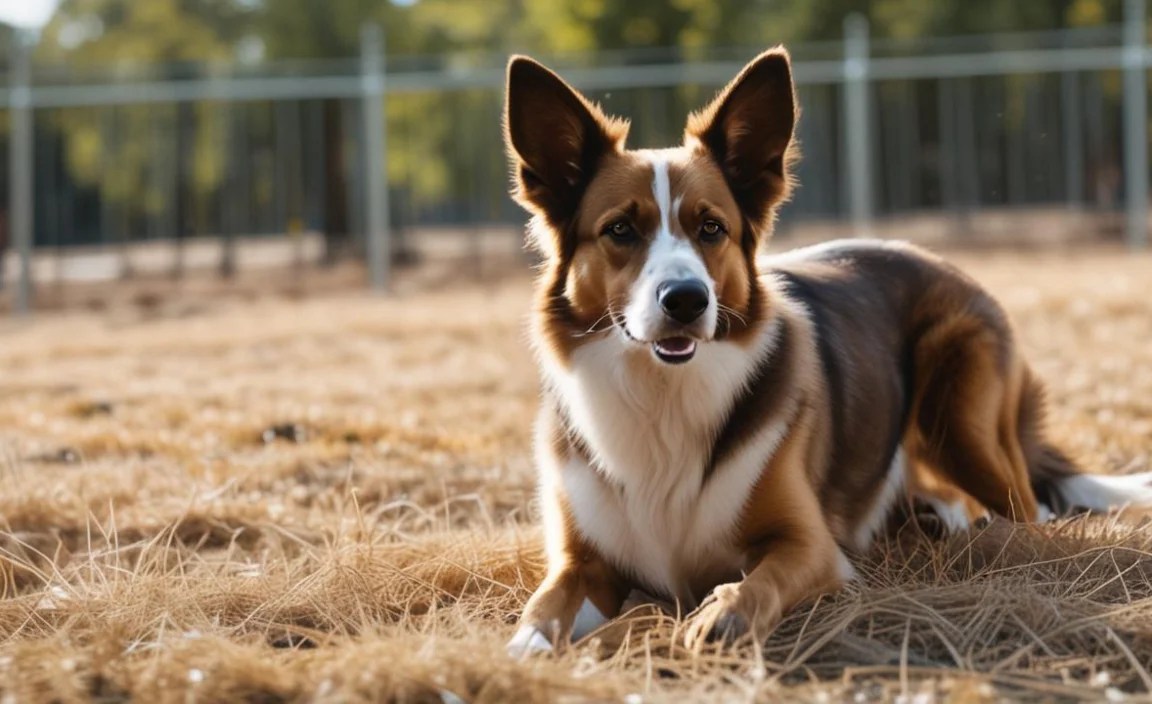
Before diving into the solutions, it’s crucial to understand the underlying reasons behind a dog’s instinct to mark. Primarily, it’s a form of communication. Dogs use urine, and to a lesser extent, feces, to leave behind scent messages for other dogs. These messages can convey a wealth of information, including their presence, sex, reproductive status, and even their emotional state.
Communication: This is the most significant driver. A dog’s urine contains pheromones that act as olfactory signals. When another dog encounters these scents, they can interpret them and respond accordingly.
Social Hierarchy: Marking can be a way for dogs to establish dominance or assert their position within a perceived social group.
Anxiety and Stress: Changes in the environment, new pets, visitors, or even separation anxiety can lead a dog to mark as a coping mechanism. They might feel insecure and try to re-establish their sense of ownership over familiar spaces.
Excitement and Arousal: Sometimes, a dog might mark when they are overly excited, such as when greeting guests or anticipating a walk.
Medical Issues: While less common, certain medical conditions, like urinary tract infections or diabetes, can increase a dog’s urge to urinate or make house-training accidents more frequent, which can sometimes be misconstrued as marking.
Identifying the Triggers for Marking Behavior

Effective dog marking territory tips begin with pinpointing what specifically triggers the behavior in your dog. Observing your dog’s routines and reactions can provide valuable clues.
New Arrivals: The introduction of a new pet, a new baby, or even a frequent guest can cause a dog to mark to reassert their familiar territory.
Changes in Routine: Disruptions to a dog’s predictable schedule can lead to insecurity and marking.
Unfamiliar Scents: If you’ve brought home new furniture, had visitors with pets, or even brought a stray scent on your shoes, your dog may feel compelled to mark over it.
Other Animals: The presence of other dogs, whether in your home or visible/audible outside (like through a window), can trigger a marking response.
Incomplete House-Training: Younger dogs or those with a history of outdoor elimination might still be learning not to mark indoors.
Effortless Solutions: Practical Dog Marking Territory Tips

Once you’ve identified the triggers, you can begin implementing strategies to curb the behavior. The key is consistency and understanding.
Managing the Environment to Prevent Marking

This is often the most effortless approach, focusing on prevention rather than correction after the fact.
Thorough Cleaning: Any existing urine spots need to be cleaned with an enzymatic cleaner. Regular household cleaners may mask the scent for human noses, but dogs can still detect it, encouraging them to remark over the same spot. Enzymatic cleaners break down the odor-causing molecules.
Restrict Access: If marking is happening in specific areas, use baby gates, close doors, or supervise your dog closely in those areas. When you cannot supervise, consider crating your dog or confining them to a “safe room” where they are less likely to mark.
Block Visual Access: If your dog marks when looking out windows at other animals, consider closing blinds or curtains, or using frosted window film.
Introduce New Things Slowly: When bringing new items into the home or introducing new people or pets, do so gradually and under supervision.
Behavioral Modification Strategies for Dog Marking Territory

These tips focus on changing your dog’s learned behaviors and associations.
Consistent Potty Training: Revisit basic house-training principles. Ensure your dog is regularly taken outside for elimination breaks, especially after waking up, after meals, and before bedtime. Reward successful outdoor eliminations with enthusiastic praise and treats.
Positive Reinforcement for Appropriate Behavior: The more you reward your dog for eliminating outdoors or for calm behavior in situations that previously triggered marking, the more they will learn what you want.
Address Anxiety: If anxiety is the root cause, identify and address the specific stressors. This might involve desensitization techniques, counter-conditioning, or consulting a professional dog trainer or behaviorist. Ensure your dog has a safe den-like space where they can retreat when feeling overwhelmed.
Manage Greetings: When visitors arrive, keep your dog on a leash initially. Allow them to greet your guests calmly, rewarding relaxed behavior. If they start to get overly excited or show signs of marking, calmly redirect them.
The Role of Veterinary Check-ups

It’s always wise to rule out any underlying medical issues, especially if the marking behavior is sudden or significantly increases. A vet can perform a physical examination and urinalysis to check for infections, hormonal imbalances, or other conditions that might contribute to increased urination or discomfort.
Creating a Marking-Free Zone: Dedication and Patience

Implementing dog marking territory tips requires dedication and patience. It’s important to remember that this is a natural behavior for dogs, and your goal is to redirect it appropriately, not to punish your dog. By understanding the causes, identifying triggers, maintaining a clean environment, and employing consistent positive reinforcement techniques, you can effectively manage and ultimately reduce marking behavior, leading to a more peaceful and enjoyable coexistence with your beloved canine companion.

Meet Elyse Colburn, the devoted canine companion and storyteller behind the enchanting world of “Tales, Tails, and Adventures Unleashed.” A passionate dog enthusiast with a heart full of paw prints, Elyse Colburn shares heartwarming tales and insightful adventures, celebrating the joy, loyalty, and endless antics that make every dog a true hero. Join Elyse Colburn on this tail-wagging journey, where every post is a love letter to our four-legged friends.