
Dog obedience tips at home are the cornerstone of a harmonious relationship between you and your canine companion. This journey, while rewarding, requires patience, consistency, and a deep understanding of your dog’s learning style. Forget the image of rigid, military-style training; modern dog obedience is about building trust, communication, and positive reinforcement. Whether you’ve just welcomed a new puppy or are looking to refine the manners of an older dog, these strategies will transform your home into a haven of good behavior and happy tail wags.
Understanding the Fundamentals of Canine Learning

Before diving into specific commands, it’s crucial to grasp how dogs learn. They are creatures of habit and highly attuned to their environment and your reactions. Positive reinforcement is overwhelmingly the most effective method. This means rewarding desired behaviors with treats, praise, or toys, making them more likely to be repeated. Conversely, punishment-based methods can lead to fear, anxiety, and aggression, undermining the very obedience you aim to achieve.
Timing is everything. A reward must be delivered within seconds of the desired behavior to be effective. If your dog sits, and you praise them a minute later, they won’t connect the praise to the action. Consistency is equally vital. Everyone in the household needs to be on the same page regarding commands and rewards.
Essential Dog Obedience Tips at Home for Beginners

Start with the basics. These fundamental commands form the building blocks for more complex training and are essential for everyday life.
Sit: The Foundation of Good Manners

Teaching your dog to sit is often the first command people tackle, and for good reason. It’s relatively easy to teach and can be used to manage excitement, encourage focus, and prevent jumping.
1. Lure Method: Hold a treat near your dog’s nose. Move the treat upwards and slightly back over their head. As their nose follows the treat, their rear end will naturally lower into a sit. The moment their bottom touches the ground, say “Sit” calmly and reward them with the treat and praise.
2. Practice: Repeat this process multiple times a day in short, fun sessions. Once they start to understand the movement, begin fading the lure, using your hand motion without the treat visible. Eventually, you’ll just use the verbal cue.
Stay: Building Patience and Impulse Control

The “stay” command is crucial for safety and preventing unwanted behaviors. It teaches your dog to remain in a specific position until released.
1. Starting Small: Ask your dog to sit or lie down. Say “Stay” in a clear, firm voice and hold up an open palm as if to stop them. Take just one step back. If they remain in place, immediately return, praise them, and give a treat.
2. Gradually Increase Distance and Time: Slowly increase the distance you step away and the amount of time you ask them to stay. Always return to your dog to reward them; don’t call them to you when first learning “stay.” This reinforces that they must remain until released. A release word like “Okay!” or “Free!” is essential so they know when they can move. If they break their stay, calmly guide them back to their original spot and try again with a shorter duration.
Come: The Lifesaving Recall
A reliable “come” or recall command is arguably the most important for your dog’s safety. It can prevent them from running into traffic or getting lost.
1. Positive Association: Make coming to you the most exciting thing in the world. When your dog is a short distance away, get down on their level, clap your hands, and enthusiastically call their name followed by “Come!”
2. Reward Extravagantly: When they reach you, shower them with praise, play a quick game of tug, or give them a high-value treat. Never, ever punish your dog if they eventually come to you, even if it took them a while. Punishment will make them hesitant to come when called in the future.
3. Practice in Different Environments: Start by practicing in a quiet, enclosed space. As they get better, gradually introduce distractions and move to more open areas, always having a long leash on for safety.
Advanced Dog Obedience Tips at Home

Once your dog has mastered the basics, you can move on to more nuanced commands and address common behavioral challenges.
Leash Manners: Walking Without Pulling
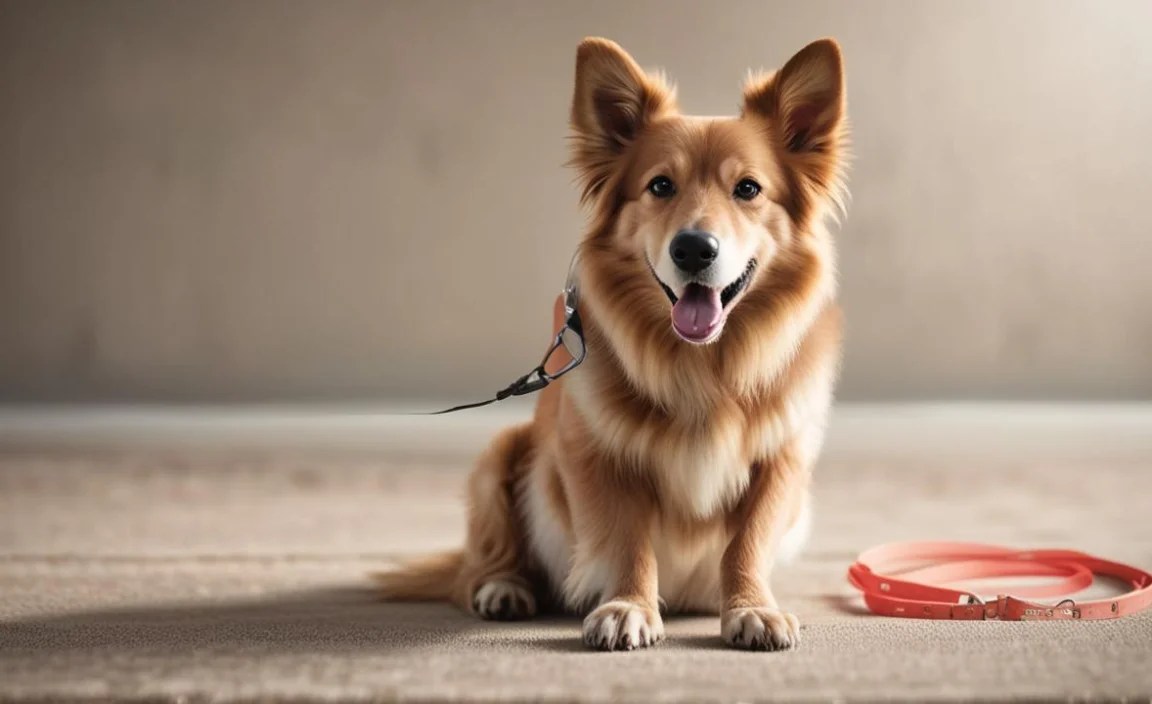
Leash pulling is a common frustration for dog owners. The key is to teach your dog that walking calmly by your side is more rewarding than forging ahead.
1. Reward Loose Leash: When the leash is slack, praise your dog and give them a treat. If they pull, stop walking immediately. Only resume when the leash is loose again.
2. Change Direction: If they pull ahead, politely turn and walk in the opposite direction. They will learn that pulling halts progress and loosens the leash.
3. Use Appropriate Tools: Consider a front-clip harness or a head halter, which can help reduce pulling by redirecting their momentum. However, these are tools to assist training, not replacements for teaching loose-leash walking.
Crate Training: A Safe Haven
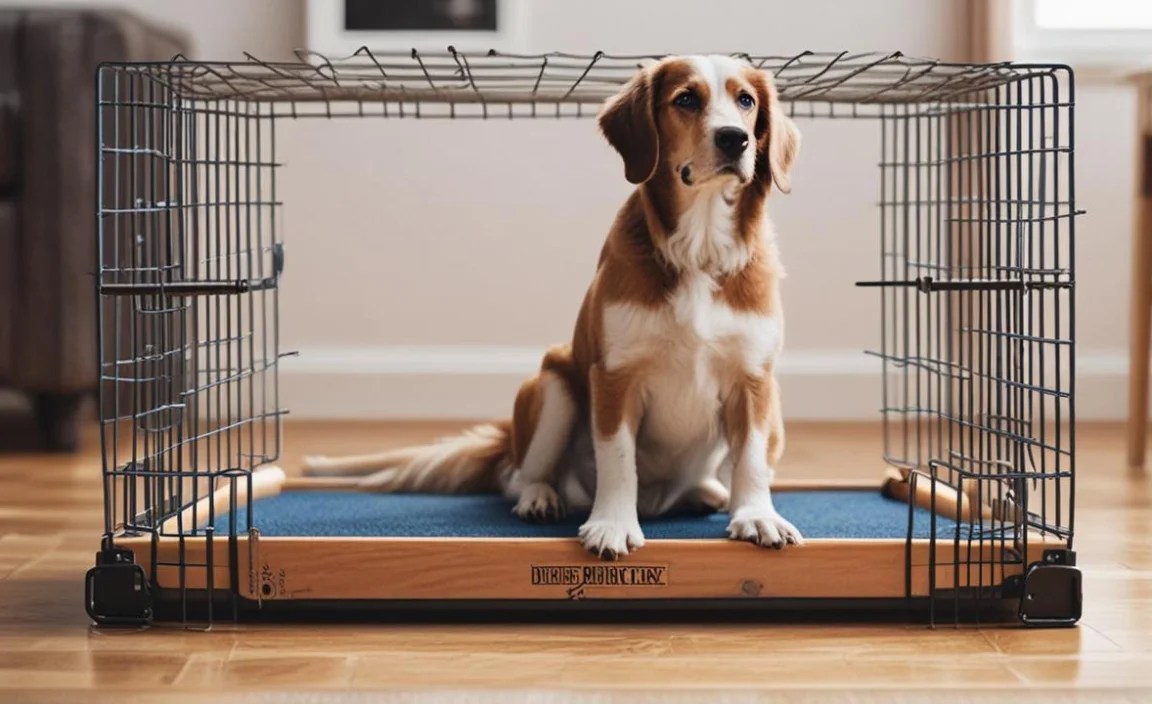
Crate training can be invaluable for housebreaking, travel, and providing your dog with a secure den-like space.
1. Positive Introduction: Make the crate a positive place. Put treats and toys inside. Leave the door open, allowing your dog to explore it at their own pace.
2. Short Periods: Start by feeding your dog meals inside the crate with the door closed for short periods. Gradually increase the duration.
3. Never Use as Punishment: The crate should always be a safe and comfortable space, never associated with discipline.
Troubleshooting Common Obedience Challenges

Distractions: Dogs learn best when initially trained in a quiet environment. As their understanding grows, gradually introduce distractions. Practice “sit” or “stay” with a noisy toy nearby, then with another person in the room, and so on.
Lack of Engagement: If your dog seems uninterested, you might be using treats that aren’t motivating enough, or your training sessions are too long. Experiment with different rewards and keep sessions short, fun, and frequent.
* Consistency is Key: This cannot be stressed enough. Ensure everyone in the household uses the same commands and rewards. Inconsistent training will confuse your dog and hinder progress.
Dog obedience tips at home are about building a strong bond through clear communication and mutual respect. By implementing positive reinforcement, being patient, and staying consistent, you’ll not only achieve a well-behaved dog but also deepen your connection with your beloved companion. Enjoy the journey!

Meet Elyse Colburn, the devoted canine companion and storyteller behind the enchanting world of “Tales, Tails, and Adventures Unleashed.” A passionate dog enthusiast with a heart full of paw prints, Elyse Colburn shares heartwarming tales and insightful adventures, celebrating the joy, loyalty, and endless antics that make every dog a true hero. Join Elyse Colburn on this tail-wagging journey, where every post is a love letter to our four-legged friends.