
Excessive licking in dogs can be a puzzling and often frustrating behavior for pet owners. While a little doggy drool is par for the course, when your canine companion seems to be on a perpetual tongue-bath, it’s time to investigate. This persistent licking can range from a fleeting lick of your hand to an obsessive focus on their own paws, your legs, or even inanimate objects. Understanding the root causes and implementing effective strategies is crucial for both your dog’s well-being and your peace of mind. This excessive licking dog guide aims to equip you with the knowledge to identify the problem and help your furry friend break free from this compulsive behavior.
Why Do Dogs Lick Excessively?

The reasons behind excessive licking are multifaceted, encompassing both physical and psychological factors. It’s not simply a case of a dog who likes to lick; there’s often an underlying issue that needs addressing.
1. Medical and Physical Causes:

Often, the first port of call when addressing excessive licking in dogs should be to rule out any medical conditions.
Pain or Discomfort: Dogs instinctively lick areas that cause them pain or discomfort. This could be due to arthritis, injuries, skin irritations, parasites (like fleas or ticks), or even internal issues. If your dog is fixated on a particular part of their body, it’s a strong indicator of localized pain.
Allergies: Environmental allergies (pollen, dust mites) or food allergies can lead to itchy skin, prompting your dog to lick to find relief. This is particularly common on the paws, belly, and ears.
Skin Infections and Irritations: Bacterial or fungal infections, cuts, abrasions, or insect bites can all cause irritation that a dog might try to soothe by licking.
Gastrointestinal Upset: Some dogs may exhibit excessive licking of surfaces or their own bodies when experiencing nausea or other digestive problems.
2. Behavioral and Psychological Causes:
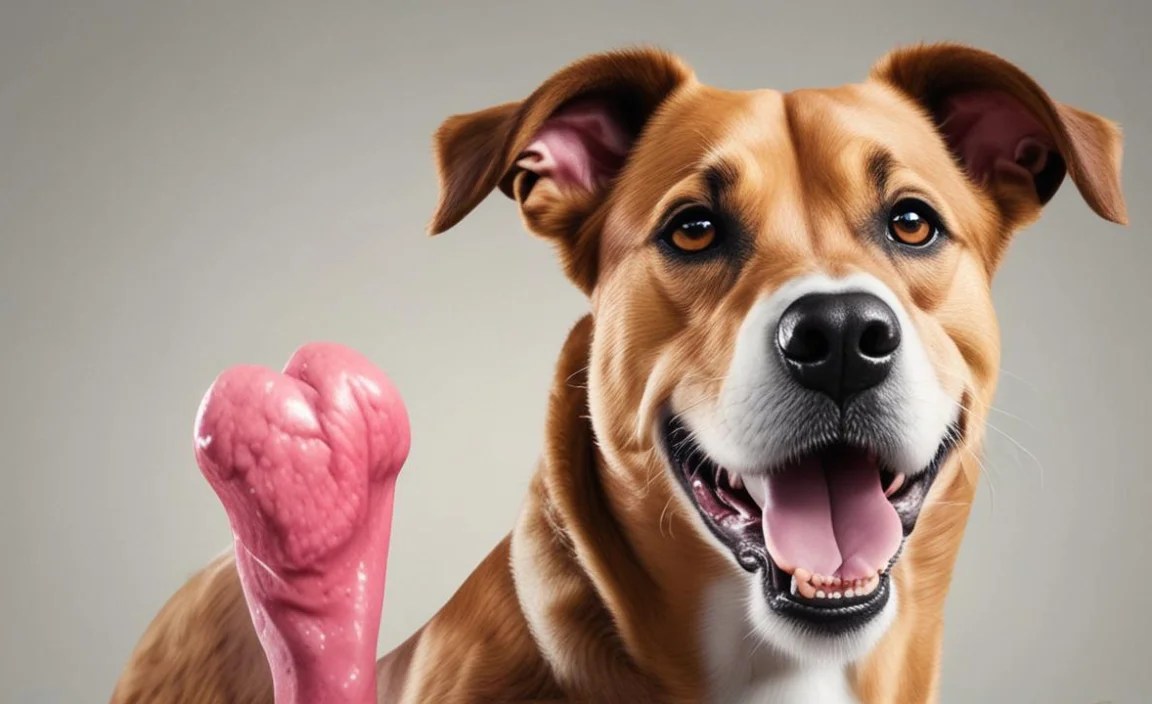
When medical issues are ruled out, behavioral and psychological factors often come to the forefront.
Anxiety and Stress: Dogs can develop compulsive behaviors, including excessive licking, as a coping mechanism for anxiety. This can be triggered by separation anxiety, changes in routine, loud noises (fireworks, thunderstorms), or even a new pet or person in the household.
Boredom and Lack of Stimulation: A dog without enough mental and physical exercise is prone to developing destructive or repetitive behaviors. Licking can become a self-soothing activity when they are bored or under-stimulated.
Attention Seeking: If your dog learns that licking gets them attention (even negative attention), they may repeat the behavior to solicit interaction.
Obsessive-Compulsive Disorder (OCD): In some cases, excessive licking can escalate into a full-blown OCD disorder, similar to human OCD. This is often characterized by the licking becoming increasingly difficult to interrupt.
Learned Behavior: Sometimes, the behavior starts for a valid reason (like a small itch) but continues long after the initial cause is gone, simply because it has become a habit.
Understanding the Impact of Excessive Licking

Beyond the annoyance for owners, excessive licking can have detrimental effects on your dog’s health.
Skin Irritations and Infections: Constant moisture from saliva can create a breeding ground for bacteria and yeast, leading to secondary skin infections, redness, and inflammation. This is particularly common on paws, resulting in “lick granulomas.”
Hair Loss: Persistent licking can cause hair to fall out or become matted in the affected areas.
Pain and Discomfort: If the licking is due to pain, the act of licking itself can exacerbate the underlying issue.
Wasted Energy: Compulsive licking can consume a significant amount of a dog’s energy, detracting from other healthy activities.
Your Comprehensive Excessive Licking Dog Guide to Solutions

Addressing excessive licking requires a systematic approach, often starting with professional help.
1. Consult Your Veterinarian:
This is the absolutely critical first step.
Diagnosis is Key: Your vet will perform a thorough physical examination, discuss your dog’s history, and may recommend diagnostic tests (blood work, skin scrapings, allergy tests) to pinpoint any underlying medical causes. Don’t skip this!
2. Managing Behavioral Causes:
Once medical issues are ruled out, focus shifts to behavioral modification.
Enrichment and Exercise: Boredom is a major factor. Ensure your dog receives adequate daily exercise, including walks, runs, and playtime. Mental stimulation is equally important. Puzzle toys, training sessions, and interactive games can keep their minds engaged and reduce the likelihood of developing or continuing compulsive behaviors.
Addressing Anxiety: If anxiety is suspected, identify the triggers and work to minimize them. For separation anxiety, gradual desensitization and counter-conditioning techniques are often employed. Consider pheromone diffusers or calming supplements, but always under veterinary guidance.
Training and Redirection: When you spot your dog licking excessively, gently interrupt them and redirect their attention to a more appropriate activity, like a toy or a training cue. Positive reinforcement for engaging in desired behaviors is crucial.
Avoid Punishment: Punishing your dog for licking, especially if it’s an anxiety-driven behavior, can actually worsen their stress and make the problem more entrenched.
3. Physical Barriers and Deterrents:
In some cases, temporary physical measures can help break the cycle.
Protective Collars (E-collars): The cone of shame, while sometimes unsightly, is effective in preventing direct licking to allow healing and break the habit.
Bandages or Booties: For paw licking, carefully applied bandages or dog booties can act as a deterrent. Ensure they are breathable and don’t restrict circulation.
Bitter Sprays: Pet-safe bitter sprays can be applied to areas the dog is licking. However, some dogs can become desensitized to these, and they are not a long-term solution.
4. Seek Professional Behavioral Support:
If you’re struggling to manage the excessive licking on your own, don’t hesitate to enlist help.
Certified Professional Dog Trainer (CPDT) or Veterinary Behaviorist: These professionals have specialized knowledge in canine behavior and can develop a tailored plan to address your dog’s specific needs, particularly for complex cases of anxiety or OCD.
A Note on Paws: A Common Target for Excessive Licking

Many dogs focus their excessive licking on their paws. This often points to allergies or pain. If your dog is constantly gnawing or licking their paws, it’s imperative to have them checked by your veterinarian to rule out things like:
Interdigital Cysts: Painful growths between the toes.
Foreign Objects: Something lodged between their pads.
Arthritic Changes: Pain in the joints.
Parasites: Mites or fleas irritating the skin.
While your vet investigates, you can try to gently clean the paws after walks to remove irritants.
Conclusion: Patience and Understanding
Dealing with excessive licking dog guide issues requires patience, observation, and a commitment to understanding your dog’s needs. By working closely with your veterinarian and potentially a behaviorist, you can identify the root cause of the problem and implement effective strategies to help your furry friend find relief and return to a happier, healthier state. Remember, the licking is often a symptom of something deeper, and by addressing the underlying issue, you’ll not only stop the licking but also improve your dog’s overall quality of life.

Meet Elyse Colburn, the devoted canine companion and storyteller behind the enchanting world of “Tales, Tails, and Adventures Unleashed.” A passionate dog enthusiast with a heart full of paw prints, Elyse Colburn shares heartwarming tales and insightful adventures, celebrating the joy, loyalty, and endless antics that make every dog a true hero. Join Elyse Colburn on this tail-wagging journey, where every post is a love letter to our four-legged friends.