
Stubborn dogs can be a source of both frustration and immense joy, but when it comes to training, their determination can feel like an insurmountable obstacle. The good news is that with the right approach and a healthy dose of patience, you absolutely can train a stubborn dog for beginners and foster a harmonious relationship. While some dogs are naturally more independent or less driven by traditional praise, it doesn’t mean they are untrainable. It simply means we need to tap into their unique motivations and communication styles.
Many owners facing a seemingly uncooperative canine companion often wonder where they went wrong. The truth is, “stubbornness” is often a misinterpretation of a dog’s natural instincts, anxieties, or simply a lack of understanding of what you’re asking. Instead of labeling them, let’s reframe the challenge as an opportunity to become a more intuitive and effective communicator with your furry friend. This journey isn’t about bending their will, but about building a bridge of trust and mutual understanding.
Understanding Your “Stubborn” Dog
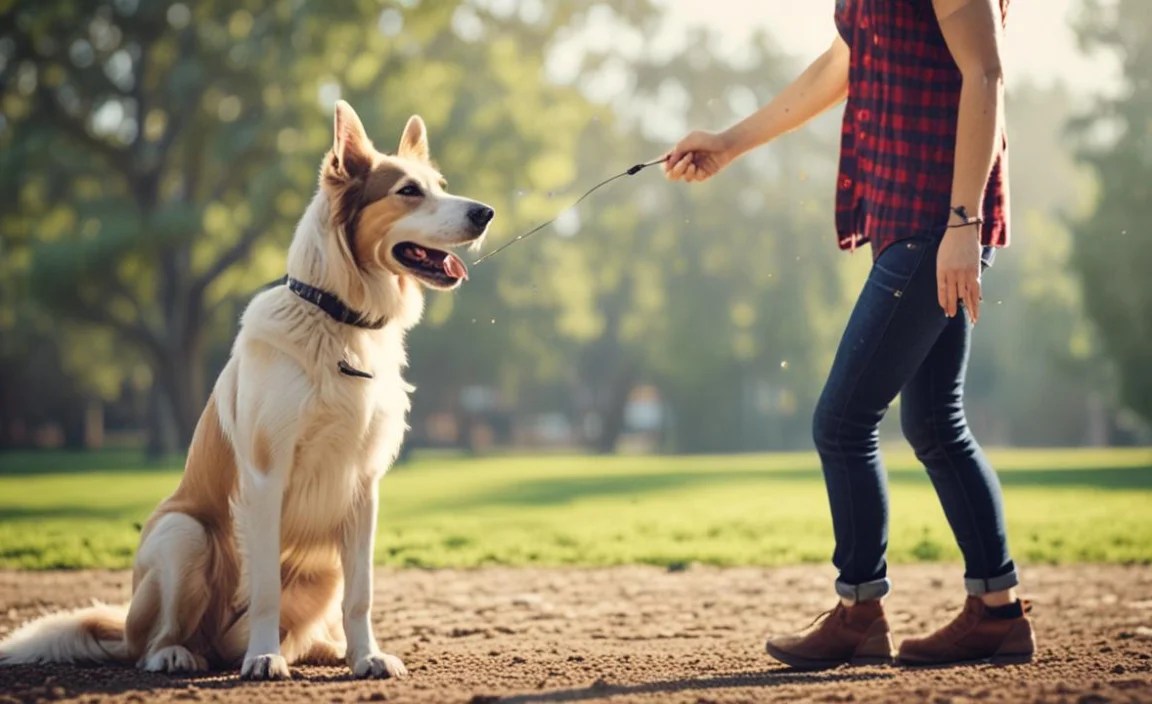
Before diving into specific techniques, it’s crucial to understand why your dog might be exhibiting what appears to be stubbornness. Is it a lack of focus, a fear-based reaction, or are they simply not motivated by what you’re offering? Observing your dog’s body language, energy levels, and what truly captures their attention is the first step. Some dogs are highly food-motivated, while others respond better to enthusiastic praise, a favorite toy, or even a satisfying scratch behind the ears. Identifying these triggers is key to unlocking their willingness to learn.
Think about the breed’s natural predispositions. Herding breeds might be prone to independent decision-making, while scent hounds can get easily sidetracked by interesting smells. This isn’t defiance; it’s ingrained instinct. Recognizing these traits can help you adjust your expectations and tailor your training methods.
Mastering the Art of Positive Reinforcement

The cornerstone of effective dog training, especially for those with a more independent streak, is positive reinforcement. This means rewarding desired behaviors immediately and consistently. For a stubborn dog, the reinforcement needs to be highly valuable to them.
High-Value Treats: Forget kibble! For a truly stubborn dog, you need to break out the “good stuff.” Think small pieces of cooked chicken, cheese, hot dogs, or specialized training treats that your dog goes wild for. These should be reserved only for training sessions and high-level achievements.
Timing is Everything: Rewards must be delivered within seconds of the desired behavior. If you wait too long, your dog won’t connect the reward with the action. A clicker can be an invaluable tool here, marking the precise moment of correct behavior before you deliver the treat.
Variety of Rewards: While treats are powerful, don’t underestimate the appeal of a favorite squeaky toy, a vigorous play session, or enthusiastic verbal praise. Some dogs are more motivated by the interaction and play than by food.
Keep it Short and Sweet: Stubborn dogs, like many dogs, have limited attention spans. Short, frequent training sessions (5-10 minutes) are far more effective than long, drawn-out ones. End each session on a positive note, with a success, to maintain their enthusiasm for future learning.
Essential Strategies to Train a Stubborn Dog for Beginners

For those new to the world of canine companions and facing a challenging personality, there are specific strategies that can make the learning process smoother.
Start with the Basics, Simplified: Don’t try to teach complex tricks right away. Focus on foundational cues like “sit,” “stay,” and “come.” Break these down into the smallest possible steps. For “sit,” for example, you might start by just rewarding your dog for looking at you, then for moving their rear slightly, and so on.
Manage the Environment: Set your dog up for success by minimizing distractions. Start training in a quiet room with no other pets or people around. As they progress, gradually introduce distractions in a controlled manner. If your dog is easily distracted by squirrels, don’t try to train them in the backyard initially.
Be Consistent with Cues and Commands: Ensure everyone in the household uses the same verbal cues and hand signals for each command. Inconsistency can confuse your dog and lead to seemingly “stubborn” behavior.
Utilize Luring Effectively: For commands like “sit,” you can use a treat to lure your dog into position. Hold the treat near their nose and move it up and slightly back over their head. As their nose follows the treat, their rear end will naturally lower. Reward immediately when they sit.
The Power of “Escape” Training: For commands like “come,” make yourself exciting! If your dog is ignoring you, try running away from them with enthusiasm. Most dogs have a natural prey drive or chase instinct and will happily follow. Reward them lavishly when they reach you.
Addressing Resistance and Maintaining Momentum

There will be moments when your dog appears to be actively resisting. These moments are critical. Instead of getting frustrated, try to understand what’s causing the hesitation.
Rule Out Fear or Anxiety: Is your dog tucking their tail, avoiding eye contact, or showing other signs of stress? If so, the issue might be fear or anxiety, not stubbornness. In such cases, it’s essential to create positive associations with the trigger and avoid pushing them too hard, too quickly. Consult a professional if you suspect severe anxiety.
Re-evaluate Your Motivation: Are you using something your dog truly values? Sometimes, what we think our dogs love isn’t their absolute favorite. Experiment with different rewards to find what truly ignites their enthusiasm.
Break Down the Task Further: If your dog struggles with a particular step, it’s likely too complex. Go back to an easier version of the behavior. Celebrate small victories.
Never Punish: Punishment can damage your bond with your dog and often leads to increased fear and aggression, making training even more difficult. Focus on rewarding the behaviors you want* to see.
Training a stubborn dog is a marathon, not a sprint. It requires patience, creativity, and a deep understanding of your dog’s individual personality. By focusing on positive reinforcement, understanding their motivations, and employing smart training strategies, you’ll not only teach your dog new skills but also strengthen your bond and build a foundation of trust that will last a lifetime. Remember, that determined spirit can also be a sign of intelligence and a strong will – two traits that, when channeled correctly, make for an incredibly rewarding companion.

Meet Elyse Colburn, the devoted canine companion and storyteller behind the enchanting world of “Tales, Tails, and Adventures Unleashed.” A passionate dog enthusiast with a heart full of paw prints, Elyse Colburn shares heartwarming tales and insightful adventures, celebrating the joy, loyalty, and endless antics that make every dog a true hero. Join Elyse Colburn on this tail-wagging journey, where every post is a love letter to our four-legged friends.