
When your furry friend is experiencing stress or anxiety, it can be heartbreaking to witness. The good news is that a wealth of dog calming techniques solutions exists to help restore peace and happiness to your beloved companion. From environmental adjustments to specialized products and behavioral interventions, you have many avenues to explore to bring about a sense of calm. Understanding the root cause of your dog’s distress is the first, and often most crucial, step in finding the right approach.
Identifying the Triggers of Canine Anxiety

Dogs, much like humans, can experience anxiety due to a variety of factors. Common triggers include loud noises like fireworks or thunderstorms, separation from their owners, unfamiliar environments or people, changes in routine, and even underlying medical conditions. Observing your dog’s behavior is key to pinpointing what might be causing them distress. Look for signs such as excessive barking, destructive chewing, pacing, trembling, panting, drooling, or hiding. Some dogs may also exhibit more subtle signs like lip licking, yawning when not tired, or a tucked tail. Once you have a better understanding of their specific anxieties, you can tailor your approach to address them effectively.
Exploring Effective Dog Calming Techniques Solutions
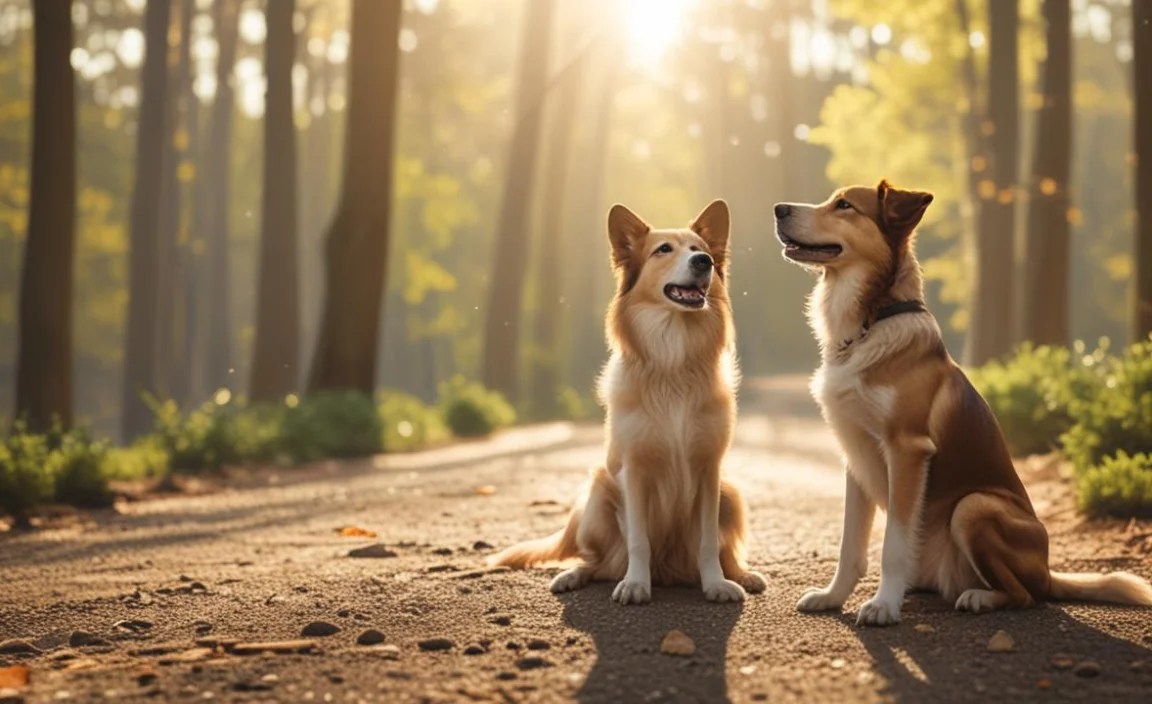
Fortunately, there are numerous dog calming techniques solutions available, catering to different needs and preferences.
Environmental Modifications for a Serene Space

Creating a safe and comfortable environment for your dog can significantly reduce stress. This might involve providing a dedicated “den” or cozy space where they can retreat when feeling overwhelmed. This could be a crate, a comfortable bed in a quiet corner, or even a specially designed calming bed. Minimizing exposure to known triggers, such as closing blinds during thunderstorms or using white noise machines to mask sudden sounds, can also make a substantial difference. Ensuring your dog has enough exercise and mental stimulation throughout the day can also help them expend pent-up energy and reduce overall anxiety. A tired dog is often a calmer dog.
Nutritional Support and Supplements

Sometimes, dietary adjustments can play a role in a dog’s well-being. While not a standalone solution, certain supplements are formulated to promote calmness. These often contain ingredients like L-theanine, tryptophan, calming herbs such as chamomile or valerian root, and probiotics. It’s always best to consult with your veterinarian before introducing any new supplements to your dog’s diet, as they can advise on appropriate dosages and ensure there are no contraindications with existing health conditions. Transitioning to a high-quality, balanced diet can also contribute to overall health and, indirectly, to a calmer disposition.
Behavioral Therapies and Training

Positive reinforcement training is fundamental to addressing many behavioral issues, including anxiety. Desensitization and counter-conditioning are powerful dog calming techniques solutions used to gradually expose your dog to their triggers while pairing them with positive experiences. For instance, if your dog is afraid of fireworks, playing recordings of fireworks at a very low volume while offering treats can help change their association. Professional guidance from a certified dog trainer or a veterinary behaviorist can be invaluable, especially for more severe cases of anxiety. They can assess your dog’s specific situation and develop a personalized behavior modification plan.
The Power of Calming Products

A variety of products are designed to help soothe anxious dogs. These include:
Calming Collars and Sprays: These often utilize pheromones, which are synthetic replicas of natural canine appeasing pheromones that signal safety and security.
Anxiety Vests and Wraps: Brands like ThunderShirt apply gentle, constant pressure, similar to swaddling an infant, which can have a calming effect on many dogs.
Interactive Toys and Treat Dispensers: These can provide mental stimulation and a healthy distraction for dogs experiencing boredom or separation anxiety. Engaging with these toys can redirect their focus away from stressful thoughts.
Calming Music and White Noise: Special playlists designed for dogs or simple white noise machines can help mask unsettling external noises and create a more peaceful atmosphere.
Touch and Physical Comfort

Simple acts of physical affection can be remarkably effective. Gentle petting, massage, or even just sitting close to your dog can provide comfort and reassurance. For some dogs, having their owner present and calm can be enough to alleviate their anxiety. Learning about canine massage techniques can empower you to offer even more targeted relaxation for your pet.
When to Seek Professional Help

While many dog calming techniques solutions can be implemented at home, it’s crucial to recognize when professional intervention is necessary. If your dog’s anxiety is severe, persistent, or interfering significantly with their quality of life or your ability to manage them, consult your veterinarian. They can rule out any underlying medical causes for the anxiety and refer you to a veterinary behaviorist or a qualified trainer if needed. Early intervention can prevent anxiety from escalating and make treatment more effective.
By understanding your dog’s individual needs and exploring the diverse range of dog calming techniques solutions available, you can embark on a journey towards a more peaceful and harmonious life for both you and your cherished canine companion. Patience, consistency, and a compassionate approach are your greatest allies in achieving this effortless peace.

Meet Elyse Colburn, the devoted canine companion and storyteller behind the enchanting world of “Tales, Tails, and Adventures Unleashed.” A passionate dog enthusiast with a heart full of paw prints, Elyse Colburn shares heartwarming tales and insightful adventures, celebrating the joy, loyalty, and endless antics that make every dog a true hero. Join Elyse Colburn on this tail-wagging journey, where every post is a love letter to our four-legged friends.