
Dog leash pulling naturally is a common frustration for many dog owners. The dream of a peaceful, enjoyable walk with your canine companion can quickly turn into a battle of wills, with you being dragged along at the whim of your eager pup. But what if there was a way to achieve this “effortless stop” to leash pulling, turning those walks from a workout into a truly relaxing experience? The good news is, it’s not only possible, but it’s achievable by understanding the underlying reasons for the pulling and employing humane, effective training methods.
Understanding Why Your Dog Pulls
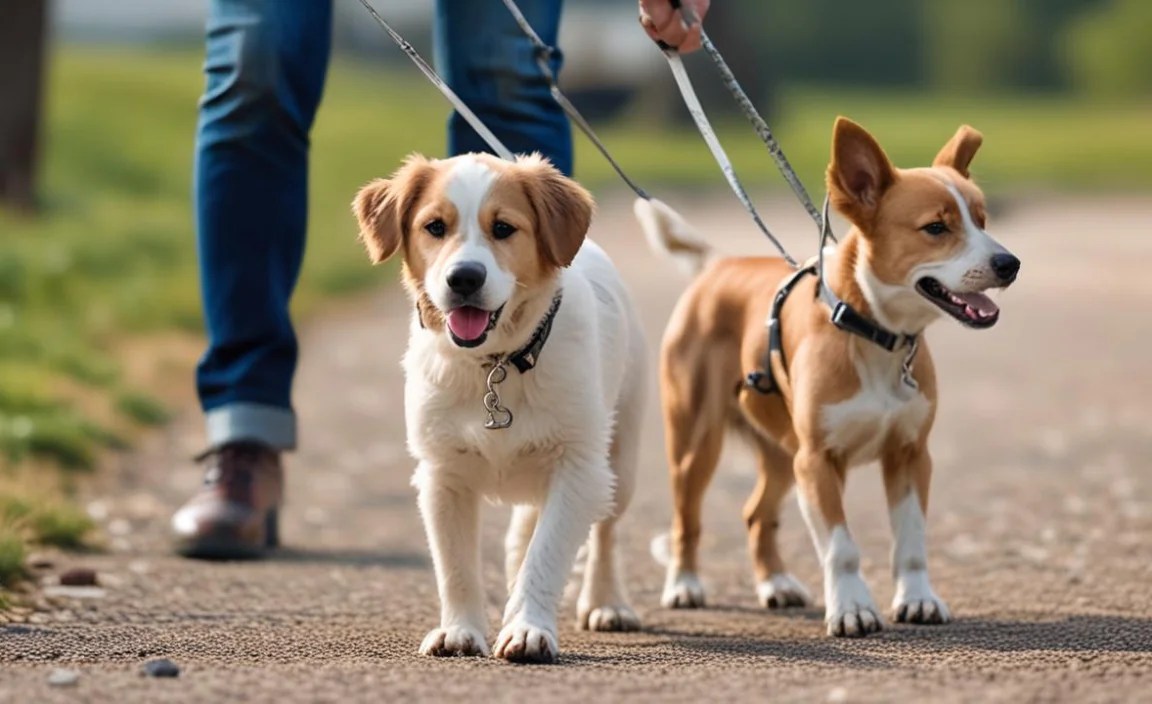
Before we can stop the pulling, we need to understand why it happens. Dogs, by nature, are pack animals and often move at a faster pace than humans. When they are excited about something – a scent, another dog, a friendly passerby – their instinct is to surge forward. Your dog isn’t trying to be disobedient; they are simply acting on their natural instincts and a desire to explore or greet. Recognizing this innate behavior is the first step towards a harmonious walk. They might be tugging because they’re ahead of your pace, or perhaps they haven’t learned that a loose leash means good things. Sometimes, the very equipment we use can inadvertently encourage pulling.
The Foundation of Loose-Leash Walking

The cornerstone of stopping any kind of dog leash pulling naturally is establishing the concept of loose-leash walking. This means teaching your dog that walking by your side with a relaxed leash is the most rewarding way to move forward. It’s not about punishment, but about positive reinforcement and clear communication.
1. The “Stop and Go” Method: This is a fundamental technique. The moment your dog pulls ahead and the leash becomes taut, you stop walking. Utterly. Stand still like a tree. Wait. As soon as the leash slackens, even a tiny bit (because they’ve paused, looked back, or taken a step closer to you), resume walking. The key here is consistency. Every single time the leash tightens, you stop. This teaches your dog that pulling stops the fun (walking), while a loose leash allows them to continue moving forward.
2. Rewarding the Good: Don’t just focus on stopping the negative behavior; actively reward the positive. When your dog is walking nicely beside you with a slack leash, offer verbal praise, a gentle pat, or even a small, high-value treat. Mark these moments with a clicker if you use one. The goal is to make walking by your side more appealing than forging ahead.
3. Changing Direction: Another effective strategy is to change your direction the moment you feel tension on the leash. If your dog pulls ahead, simply turn 180 degrees and walk the other way. Again, the moment the leash loosens, you can resume your original direction or continue on the new path. This subtly redirects their energy and teaches them that their forward momentum can be thwarted by their pulling.
Equipment Considerations: Tools for Success
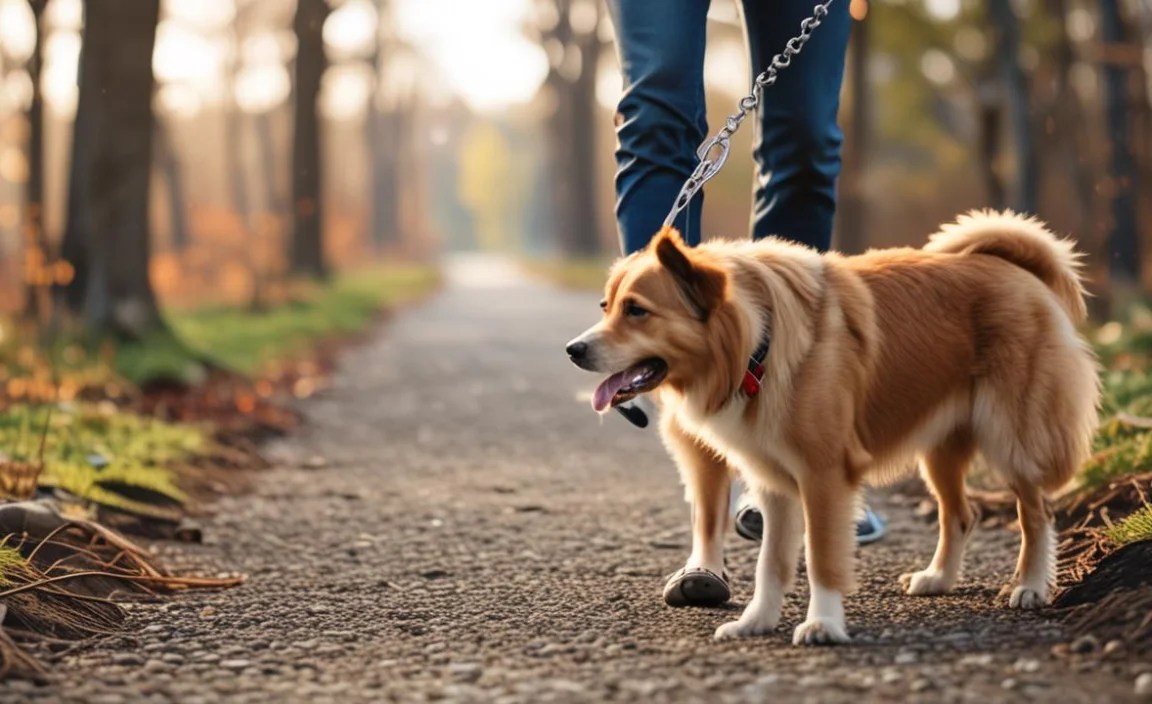
The right equipment can significantly aid in your quest for dog leash pulling naturally. While some tools are designed to discourage pulling, it’s crucial to use them humanely and in conjunction with training.
Front-Clip Harnesses: These harnesses have a leash attachment point on the dog’s chest, rather than their back. When the dog pulls, the pressure gently turns them back towards you, making it harder for them to pull effectively. They offer more control without causing pain or discomfort.
Head Halters (e.g., Gentle Leader, Halti): These fit over the dog’s muzzle and behind their ears. They work similarly to a horse’s halter, directing the dog’s head where you want it to go. When the dog pulls, their head is gently turned towards you, discouraging forward momentum. Proper introduction and fitting are essential to ensure your dog tolerates and accepts this tool.
Avoid Choke Chains and Prong Collars: These tools rely on pain and discomfort to modify behavior. While they might temporarily suppress pulling, they do not teach your dog what you want them to do. They can also create negative associations with walks, increase anxiety, and potentially lead to aggression. Focus on positive reinforcement.
The Importance of Patience and Consistency

Achieving an “effortless stop” to dog leash pulling naturally doesn’t happen overnight. It requires patience, dedication, and unwavering consistency from everyone who walks the dog.
Short, Frequent Sessions: Instead of one long, frustrating walk, break training into shorter, more manageable sessions throughout the day. Five to ten minutes of focused loose-leash work can be more effective than an hour of struggle.
Practice in Different Environments: Once your dog starts to grasp the concept in a low-distraction environment (like your backyard), gradually introduce distractions. Practice in your front yard, on quiet streets, and eventually in busier areas.
Hand-Feed During Walks: Incorporating treats into your walks can be a powerful motivator. Periodically reward your dog with a treat for walking nicely beside you. This reinforces the desired behavior and keeps them engaged with you.
Manage Expectations: Every dog learns at their own pace. Celebrate small victories and don’t get discouraged by setbacks. Remember, you are building a new communication system with your dog.
Beyond the Walk: Addressing Underlying Issues
Sometimes, excessive leash pulling can stem from more than just excitement.
Lack of Exercise: A dog with pent-up energy is more likely to be an enthusiastic puller. Ensure your dog is getting sufficient physical and mental stimulation before going for a walk.
Anxiety or Fear: If your dog pulls towards or away from specific things out of fear or anxiety, a different approach is needed. Desensitization and counter-conditioning, often with the guidance of a professional trainer or behaviorist, might be necessary.
Health Concerns: In rare cases, sudden changes in walking behavior could indicate an underlying health issue. If you notice any significant changes, consult your veterinarian.
By understanding the root causes of leash pulling and committing to patient, positive training methods, you can transform your walks from a tug-of-war into a delightful experience for both you and your dog. The “effortless stop” to dog leash pulling is within reach, paved with understanding, consistency, and a whole lot of positive reinforcement.

Meet Elyse Colburn, the devoted canine companion and storyteller behind the enchanting world of “Tales, Tails, and Adventures Unleashed.” A passionate dog enthusiast with a heart full of paw prints, Elyse Colburn shares heartwarming tales and insightful adventures, celebrating the joy, loyalty, and endless antics that make every dog a true hero. Join Elyse Colburn on this tail-wagging journey, where every post is a love letter to our four-legged friends.