
Dog guarding food solutions can be a nerve-wracking experience for any pet owner. Seeing your beloved canine companion display possessive behavior over their kibble, treats, or even a dropped crumb can bring on a mix of concern, frustration, and even a little fear. It’s a common issue, stemming from instinctual drives, and thankfully, it’s one that can often be managed and mitigated with the right understanding and an effective approach. While an animal’s desire to protect its resources is natural, when it manifests as aggressive behaviors like growling, snapping, or even biting, it becomes a safety concern for everyone in the household, including other pets and children.
Understanding the root cause of this behavior is the first crucial step in finding effortless dog guarding food solutions. Resource guarding, as it’s professionally known, isn’t a sign of a “bad” dog. Instead, it’s often rooted in insecurity, a lack of consistent training, or past experiences where the dog felt its resources were threatened. Dogs are inherently wired to protect what they perceive as valuable, and this can extend beyond food to toys, sleeping spots, and even their human companions. Recognizing the signs of guarding behavior – stiffening of the body, whale eye (where you see the whites of their eyes), lip licking, growling, and eventually lunging or biting – is essential for early intervention.
Addressing the Core of Dog Guarding Food

The good news is that effective dog guarding food solutions don’t necessarily require invasive or punitive measures. In fact, positive reinforcement techniques are often the most successful and humane. The goal isn’t to punish the dog for guarding, but rather to change their perception of the resource and their interaction with you around it. This involves building trust and teaching them that you are not a threat, but rather a source of good things.
One of the most fundamental strategies is desensitization and counter-conditioning. This means gradually exposing your dog to situations where they might guard, but doing so in a way that creates a positive association. For example, if your dog guards their food bowl, you might start by simply walking past their bowl while they are eating, dropping a high-value treat (something they absolutely love, like small pieces of chicken or cheese) on the floor as you pass. The key is to create a scenario where the dog learns that your presence near their food predicts something even better, rather than a threat.
Gradual Introduction to Positive Interactions

Start this process at a distance where your dog shows no signs of guarding. This might mean simply being in the same room while they eat. If they remain calm, toss a treat. If they react negatively (even a subtle stiffening), you’ve moved too quickly. Retreat to a greater distance or a less provocative situation and try again. Over time, you can gradually decrease the distance.
Another effective technique involves trading up. This is a controlled way to practice relinquishing ownership of a resource. When your dog is enjoying a chew toy or eating their meal, calmly approach and offer them something even more desirable in exchange. You might have a small dish of highly palatable treats ready. If they look at you or seem receptive, put the treats down near them and take the original item away. This teaches them that giving up something doesn’t mean they lose it forever; instead, it can lead to an even better reward. It’s crucial to do this calmly and without force. The dog should choose to make the trade.
Management Strategies for Immediate Dog Guarding Food Solutions

While you’re working on long-term behavioral modification, immediate management strategies are vital to ensure safety. This might involve feeding your dog in a separate, secure area, such as a crate or a room where they won’t be disturbed. This prevents opportunities for guarding to occur in potentially risky situations. If you have children or other pets, it becomes especially important to manage their interactions around the dog’s food and treats.
Consider crating your dog during mealtimes if they tend to guard intensely. The crate should always be a positive place, associated with good things like meals and treats. If your dog is already showing severe guarding behavior, it’s always advisable to seek professional guidance from a certified professional dog trainer or a veterinary behaviorist. They can assess your dog’s specific situation, identify the underlying triggers, and develop a tailored training plan.
Building Confidence and Trust
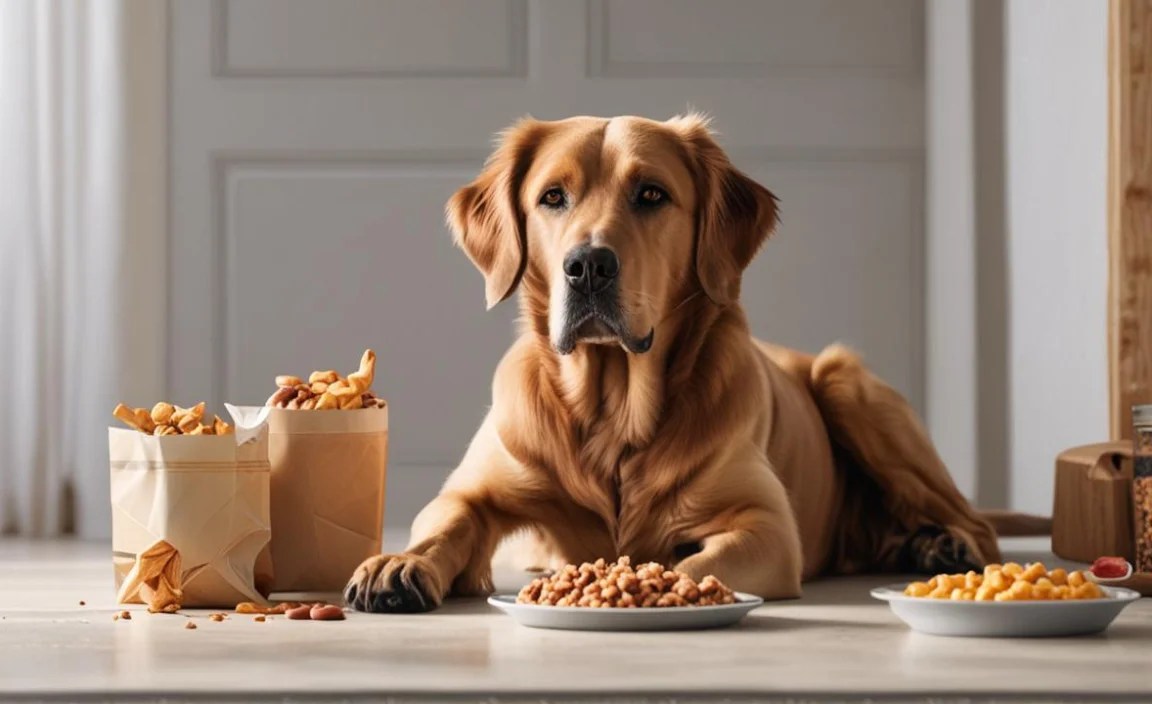
Many dog guarding food solutions ultimately boil down to building your dog’s confidence and strengthening your bond. A dog that trusts its owner implicitly is less likely to feel the need to protect its resources so fiercely. Engage in regular, positive training sessions that focus on basic obedience commands. These sessions not only reinforce good behavior but also build a stronger communication channel between you and your dog.
Activities like “scatter feeding” can also be beneficial. Instead of putting all their kibble in a bowl, scatter their food around a safe area. This mimics natural foraging behavior and can reduce the intensity of focus on a single bowl, making it less of a “valuable” target. Similarly, using puzzle feeders or treat-dispensing toys can make mealtime a more engaging and less possessive experience.
Ultimately, tackling dog guarding behavior requires patience, consistency, and a deep understanding of your dog’s needs. By implementing positive reinforcement techniques, managing risky situations, and focusing on building a strong, trusting relationship, you can move towards effortless dog guarding food solutions and enjoy a harmonious life with your canine companion. Remember, every dog is an individual, and what works for one may need adjustments for another, but the principles of positive reinforcement and trust remain universally effective.

Meet Elyse Colburn, the devoted canine companion and storyteller behind the enchanting world of “Tales, Tails, and Adventures Unleashed.” A passionate dog enthusiast with a heart full of paw prints, Elyse Colburn shares heartwarming tales and insightful adventures, celebrating the joy, loyalty, and endless antics that make every dog a true hero. Join Elyse Colburn on this tail-wagging journey, where every post is a love letter to our four-legged friends.